Florida property tax amendment passage leaves local funding questions
Florida’s newly approved property tax exemption will reduce taxable home values starting in 2027, leaving local governments facing questions about how to cover lost revenue.
(The Center Square) -
After Florida voters approved Amendment 3’s property tax relief, there’s a sharp divide in the discourse over what happens next.
Florida’s newly approved property tax exemption will reduce taxable home values starting in 2027, leaving local governments facing questions about how to cover lost revenue.
Amendment 3 received more than 60% support and will exempt up to $150,000 of assessed home value from nonschool property taxes in 2027 and $250,000 in 2028. The exemption reduces the value subject to taxation, not tax bills by those amounts. Homeowners’ savings will depend on applicable tax rates.
The debate now centers on whether spending cuts can offset the lost revenue or whether residents could face higher taxes elsewhere.
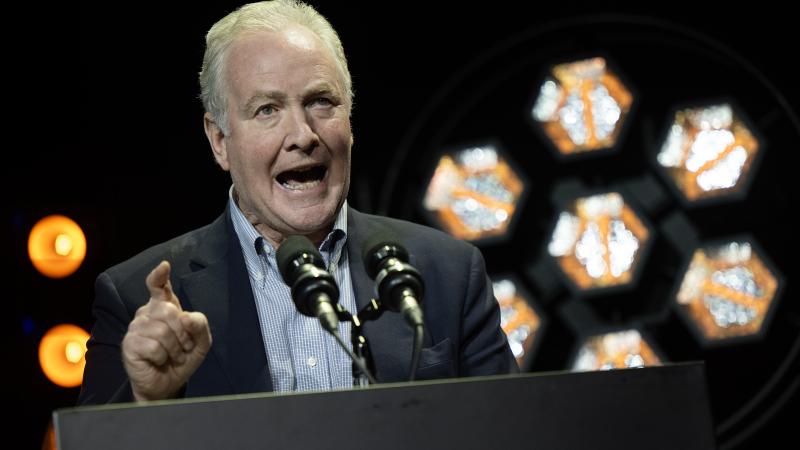
Jeff Brandes, a former Republican state senator and CEO of the Florida Policy Project, has maintained a wary opinion of the proposal.On Friday, he renewed his warnings, predicting Florida will eventually raise the sales tax to backfill communities.
“California’s Prop 13 offers a warning: cutting local revenue made local governments more dependent on Sacramento and shifted power to the state. Expect the same pressure here,” Brandes said. “More dependence on Tallahassee. Less local control. When your city needs a state check to balance its budget, your legislators become your city commissioners. The bailout comes with a leash.”
Brandes said places like Citrus, Hernando, Clay and St. Lucie face projected revenue losses of over 30%.
”When they come asking for help, will they get a check or a lecture? Look forward to seeing the bailout plan,” Brandes said.
State Rep. Ryan Chamberlin, R-Belleview, who campaigned for Amendment 3’s passage, said the measure opens the door to further property tax relief.
“It’s my belief that Amendment 3 was the beginning!” Chamberlin said.
This week, he said the Florida Department of Government Efficiency should examine every county’s budget to reveal anything voters would not want their dollars spent on, predicting they would find “billions in waste.”
“When you dig in and find billions and billions of dollars that’s perhaps being spent on items that are questionable or nobody can answer for why it’s being spent or where it’s going, it uncovers questions. People start to get defensive on that. Step number one, I believe we can have major property tax or any tax relief that’s burdening our citizens just with cleaning up some of the problematic things that we’re spending money on,” Chamberlin said.
The Florida Agency for Fiscal Oversight found $3.7 billion in “wasteful and excessive” spending of taxpayer dollars, Chief Financial Officer Blaise Ingoglia announced earlier this year. It came after auditing cities and counties across the state. At the time Ingoglia said their work was far from over.
“I promised to be an outspoken advocate for the taxpayers, and we’ve delivered. In this past year, we have redefined the role of the office, strengthened government accountability, called out wasteful local government spending that has caused property taxes to skyrocket, and delivered results for Floridians,” Ingoglia said.




Top Stories




Trending
Just the News Spotlight
Just News, No Noise