Ditching debates: Battleground candidates are eschewing face-offs as they maintain leads
Candidates from both parties, in races across the country, including those in Arizona, Florida, North Carolina and even New Jersey have rejected the traditional matchups.
Republicans and Democrats alike seem to have taken lessons from at least one previous midterm, appearing to avoid debates to maintain their polling positions this election cycle, in primaries and general elections.
Candidates from both parties in races across the country – including those in Arizona, Florida, North Carolina and even New Jersey – have rejected the traditional matchups, which have historically been moments for voters to see politicians argue policy.
In 2022, Katie Hobbs, who at the time was the Democratic gubernatorial nominee for Arizona, was successful with such a tactic, in which candidates appear to determine that exposing one's self to potential political blows by an opponent is not worth the risk.
The gamble paid off when Hobbs eked out a 50.3-to-49.6% win that year over GOP nominee Kari Lake to become the state's first Democratic governor since 2006.
Now, candidates appear to be emulating the strategy to considerable effect.
Florida GOP Rep. Byron Donalds declined to debate his primary challengers in his ultimately successful bid to win the state's 2026 Republican gubernatorial primary, citing his polling lead.
"I've been consistent," Donalds said to Fox News in July. "These guys are in single digits. They stay in single digits." He ultimately crushed his opponents and handily won the nomination.
Hobbs, in her reelection bid this year, is so far repeating her 2022 game plan by not agreeing to debate Republican nominee Rep. Andy Biggs.
Hobbs confirmed in July she would not debate Biggs, with her campaign saying “face-to-face engagement with Arizonans is more effective than a stage designed for short sound-bites and political theater,” according to the Arizona Mirror.
In North Carolina, former Democratic Gov. Roy Cooper and former Republican National Committee Chairman Michael Whatley have yet to agree to debate in their Senate battleground contest. However, Cooper has indicated a willingness to debate Whatley, who is trailing in the polls.
“My team is happy to sit down and discuss the potential for a debate,” he told North Carolina news outlet The Assembly. Cooper has an 8% lead in the RealClearPolitics polling average, a sizable margin for a typically purple state.
On the House side, New Jersey GOP Rep. Tom Kean Jr., who was away from Congress for several months due to a depression diagnosis he later confirmed, has embraced a strategy of minimal debates and public appearances, agreeing to only a single showdown with his Democratic challenger.
Democrat Sue Altman, who lost to Kean in the 2024 general election for the state's 7th Congressional District seat and lost in this year's Democratic primary for it, sees the potential for Kean's strategy to fail as he faces greater scrutiny over his absence from Congress.
“The lack of town halls, the lack of press availability, the closed-door nature of his fundraising and other types of events – these have been the longstanding nature of Tom Kean’s political strategy. Now it’s finally backfiring,” she said in a story posted by Politico this week.
Meanwhile, incumbent Maryland Democrat Gov. Wes Moore and his general election GOP challenger Dan Cox have agreed to debate. And Maine GOP Sen. Susan Collins’ campaign says the senator has invited Democratic challenger Troy Jackson to join her in four debates, though he has yet to accept.
While traditional debates remain highly anticipated spectacles of each election cycle, they come fraught with risk.
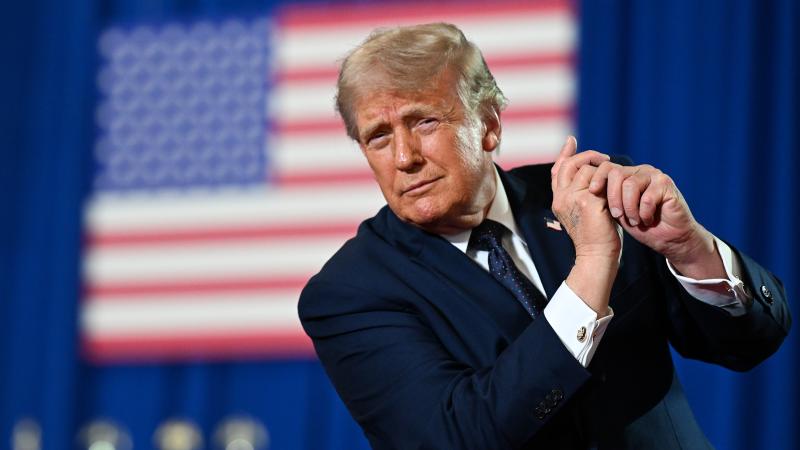
In 2024, then-President Joe Biden's sole and disastrous debate with then-GOP nominee Donald Trump ultimately resulted in him dropping his reelection bid and Trump winning a second presidential term.
Ben Whedon is the Chief Political Correspondent for Just the News. Follow him on X.
The Facts Inside Our Reporter's Notebook


Top Stories


Trending
Just the News Spotlight
Just News, No Noise