Related Articles

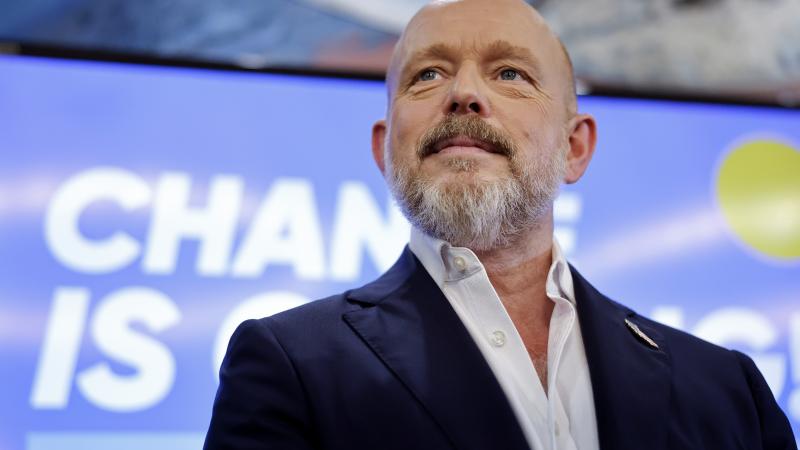


Current law allows inmates who are at least 50 years old and have served 20 years in prison to qualify for elderly parole.
If a new bill passes in the California Legislature this year, inmates in the state’s prisons would have to wait until they are 65 to qualify for elderly parole.
Current law allows inmates who are at least 50 years old and have served 20 years in prison to qualify for elderly parole. Those who are at least 60 and have served 25 years can also qualify.
However, with some lawmakers believing that isn’t old enough to qualify for elderly parole, Assembly Bill 2570 would push for the minimum age to be higher.
“What we’re trying to do is address the most egregious judgement, and that is someone is elderly at 50,” Assemblyman Tom Lackey, R-Palmdale, who introduced the bill, told The Center Square on Thursday afternoon. “Who believes that? Maybe a teenager, maybe an elementary student, but we’ve got to be better than that.”
The minimum age of 65 was proposed in the bill because that's when seniors become eligible to collect Social Security, Lackey said.
“The other consideration is being in prison for 20 years,” Lackey added. “We’re not proposing to change that.”
AB 2570, which Lackey is introducing with Assemblyman Josh Hoover, R-Folsom, was introduced in late February, right before the scheduled release of convicted sex offender David Allen Funston. Funston, 64, served time in prison for crimes related to child molestation in Sacramento County in the 1990s. He was set to be released on elderly parole on Feb. 26, but early that morning was instead handed over to authorities in Placer County while he awaited court proceedings on new charges related to alleged child abuse in Placer County in 1996.
He has pleaded not guilty to the new charges.
At the time, authorities in Placer County decided not to pursue that charge because Funston had already been sentenced in Sacramento County and was expected to be in prison for the rest of his life. They also wanted to spare the child in the Placer County case the experience of testifying in a courtroom. That child, now an adult, is now expected to testify against Funston in Placer County court.
Advocates for the state’s current elderly parole laws previously told The Center Square that California’s elderly parole program, as it stands now, recognizes the capacity for offenders like Funston to change. They also noted those who perpetrate these crimes against children often endured the same abuse themselves.
“Miraculous transformation really can happen when they have the opportunity to heal from that harm,” Keith Wattley, founder and executive director of UnCommon Law, previously told The Center Square. “The elderly parole process recognizes that capacity for change and involves a thorough examination, evaluation and determination that that person is no longer a risk to public safety.”
Through a spokesperson, representatives from UnCommon Law told The Center Square on Friday afternoon that the firm does not yet have a position on AB 2570.
Assemblywoman Stephanie Nguyen, D-Elk Grove, also introduced similar legislation this week. Her bill, Assembly Bill 2727, aims to permanently exclude California’s inmates from being considered for elderly parole if they are convicted of aggravated sexual abuse of a child, forcible lewd acts on a child and other crimes against children.
Nguyen did not respond to calls from The Center Square on Friday afternoon.
Democrats on public safety-related committees in the Legislature did not respond to The Center Square's request for comment on Friday.