Related Articles




Mayor Katie Wilson, who assumed office earlier this month after narrowly defeating then-Mayor Bruce Harrell in November, is a strong supporter of Seattle being a sanctuary city.
What impact President Trump’s most recent threat to suspend federal funding to sanctuary jurisdictions will have on Seattle remains to be seen, but city officials seem cautiously optimistic that Trump does not have the unilateral authority to cut off all federal funding, as Congress controls spending.
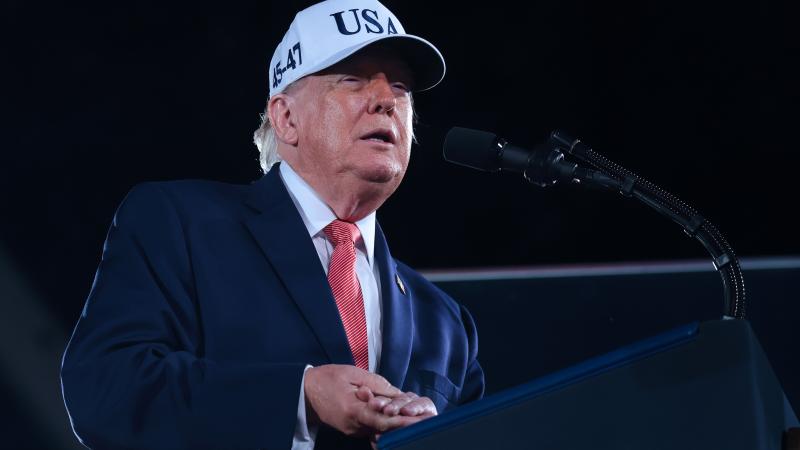
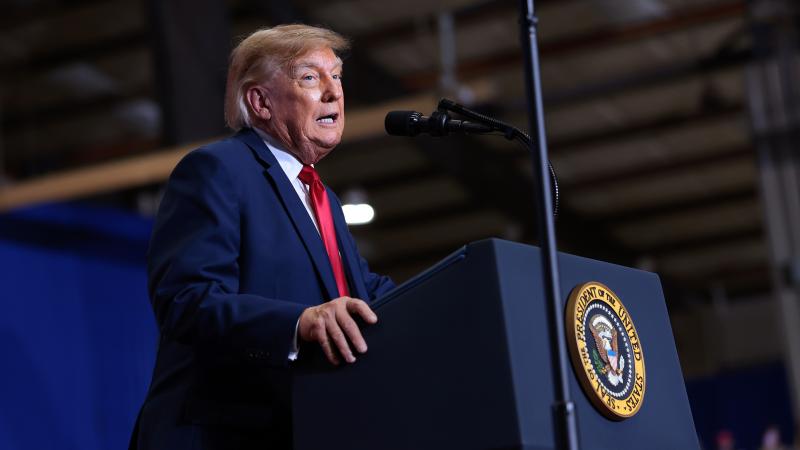
“Starting Feb. 1, we are not making any payments to sanctuary cities or states having sanctuary cities because they do everything possible to protect criminals at the expense of American citizens,” Trump said during a Jan. 13 address at the Detroit Economic Club.
Seattle receives approximately $120 million in federal funding for programs such as transportation, senior services, nutrition, and housing.
“Yes, the 2026 Adopted Budget includes a ~$120 million federal grant revenue expectation as part of the base budget,” Marquis Bullock, a fiscal and policy analyst for the Seattle Budget Office, emailed The Center Square. “The City also accepts Federal grants that supplement this budget throughout the year. We also have unspent grants from prior years that are still active and budget for these [amendments in] the 2026 Adopted Budget.”
The Center Square asked whether the city had received any official notice from the Trump administration about possible federal funding cuts, but did not receive an answer.
Last year, the U.S. Department of Justice published a “sanctuary” jurisdiction list, including Seattle and Washington state, after Trump warned about potential federal funding cuts for jurisdictions hindering immigration enforcement.
While Trump continues to threaten such cuts as part of his administration’s crackdown on illegal immigration, cities have successfully challenged such actions in court, asserting local control over resource allocation.
“Seattle and countless other cities have already successfully challenged similar directives in court,” a statement from Seattle City Attorney Erika Evans’ office said. “A federal judge’s injunction prohibiting President Trump’s previous attempt to starve and impoverish people for making policy decisions he dislikes still stands. The City will continue to defend the rule of law and advocate for its legal right to be a welcoming place for all people.”
In August, U.S. District Judge William Orrick issued a nationwide preliminary injunction that blocked the Trump administration from withholding or freezing federal funding or imposing unrelated immigration-enforcement conditions on over 30 cities and counties that joined the lawsuit. Seattle, along with King County, was specifically named as a plaintiff in the lawsuit.
The Center Square also contacted the White House, asking if Trump is confident he can actually cut federal funding to sanctuary jurisdictions, given legal challenges and previous setbacks.
White House spokesperson Abigail Jackson referenced a statement sent to another Washington state reporter from The Center Square for a different story: “President Trump is right — sanctuary cities are incredibly dangerous and put law-abiding Americans at risk. The Trump Administration is currently considering a variety of lawful options to implement this policy.”
The Center Square reached out to the office of Mayor Katie Wilson for comment on Trump’s threat to cut federal funding to sanctuary jurisdictions, but did not get a response.
Wilson, who assumed office earlier this month after narrowly defeating then-Mayor Bruce Harrell in November, is a strong supporter of Seattle being a sanctuary city.
According to her campaign website, she wants to “Trump-proof Seattle.”
That includes a call to “Review and strengthen Seattle's sanctuary city ordinance, which hasn't been updated in over 20 years. Review the City's data collection and storage practices to ensure we are not at risk of sharing data with Federal immigration agencies.”
She also aims to ensure that Seattle isn’t sharing data with federal immigration agencies and that police comply with the Keep Washington Working Act.
It’s not just city officials who worry about the impact a potential loss of federal funding could have on Seattle.
Andrea Suarez is the founder and executive director of We Heart Seattle, a grassroots volunteer movement focused on cleaning up Seattle's public spaces, while providing resources, housing, and treatment options to the homeless.
“In the state of Washington, especially, we’re having a very hard time taking care of our own who are dual-diagnosed with untreated mental illness and substance abuse disorder. Our leadership argues that we have an affordability crisis, a housing crisis, and a lack of emergency shelter,” she said. “Homelessness has gone up more than 500% over the last decade. Our state, especially the County of King and the city of Seattle, [is] overwhelmed with this population in need. We absolutely need any and all federal money to support our citizens getting the treatment and resources they need.”
She concluded, “This would be devastating, to have funding cut for the very people we need to serve, and in order of priority, for those with citizenship currently languishing in our streets and dying at rapid rates from the opioid epidemic.”