Texas officials debate adding Bible to public school reading
Critics of the proposal have argued that incorporating religious texts into public school curriculum could violate constitutional principles regarding the separation of church and state.
(The Center Square) -
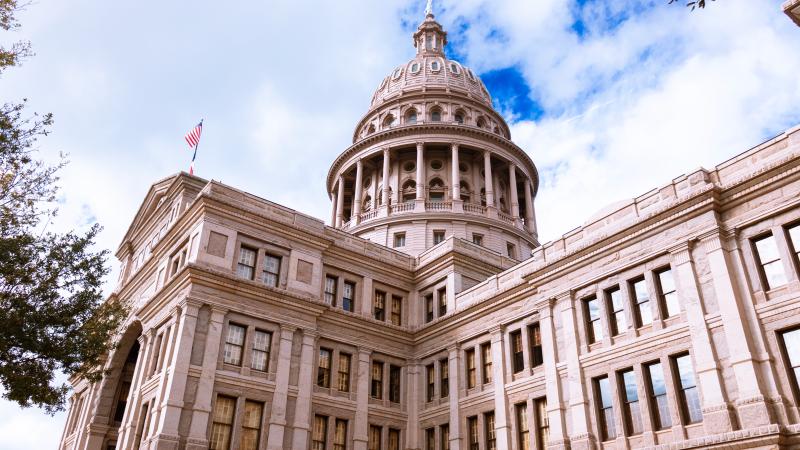
Texas lawmakers propose incorporating the Bible into public school reading lists, drawing support from those who say it is essential to understanding American history and criticism from opponents who raise constitutional concerns.
The Texas State Board of Education met this month to discuss potential changes to how social studies is taught under the state’s Texas Essential Knowledge and Skills for K-12 social studies curriculum.
The Texas Education Agency has also published a recommended reading list of literary works developed with input from more than 5,000 Texas English teachers, according to a previous report by The Center Square.
Teachers and historians have raised concerns about elements of the proposed standards.
The proposal includes references to biblical texts and stories – such as Jonah and the whale, the Book of Psalms, and David and Goliath – as part of broader efforts to reshape instructional materials.
Following this move from Texas, the Trump administration has expressed its goal of bringing religion back into classrooms and issued guidance on prayer in schools early this year.
Rusty Brown, director of special projects at the Freedom Foundation, told The Center Square in an exclusive interview that biblical literacy is necessary for a full understanding of American history.
“The Bible plays so deep into American history and the founding of our country that you cannot overlook that,” Brown said.
Critics of the proposal have argued that incorporating religious texts into public school curriculum could violate constitutional principles regarding the separation of church and state.
Brown also criticized the opponents.
“I do not think that we should listen to people who don't like America on what America should give out,” Brown said. “When people come at you, and they fundamentally hate America, their opinion on what America should be should be invalid.”
The Center Square reached out to the Texas State Board of Education and the Texas Education Agency for a comment, but has not received a response.
A final vote on the reading list is expected in June. If approved, this would take effect in 2030.
The Facts Inside Our Reporter's Notebook


Top Stories



Trending
Just the News Spotlight
Just News, No Noise