Image
Louisiana residents sue over carbon capture land seizures
Suitclaims laws passed since 2020 violate the state constitution by allowing companies engaged in carbon capture and storage to use eminent domain for private gain.

Suitclaims laws passed since 2020 violate the state constitution by allowing companies engaged in carbon capture and storage to use eminent domain for private gain.
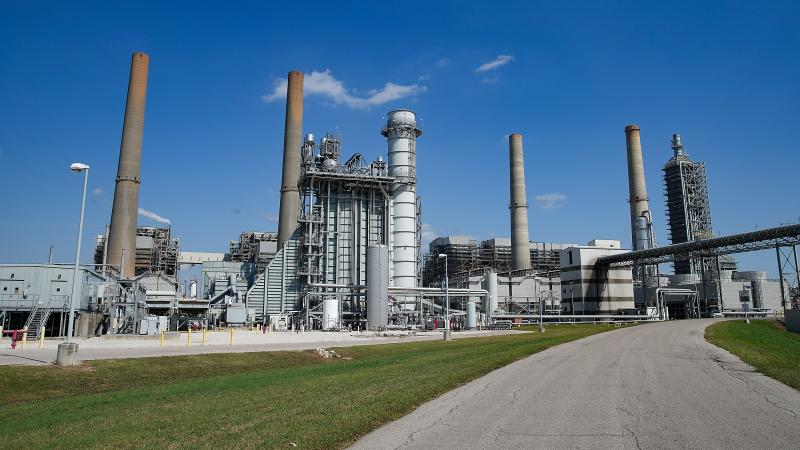
Marketed as a way to reduce carbon emissions, carbon capture and sequestration allows various industries to market their products as low carbon to international and domestic markets.
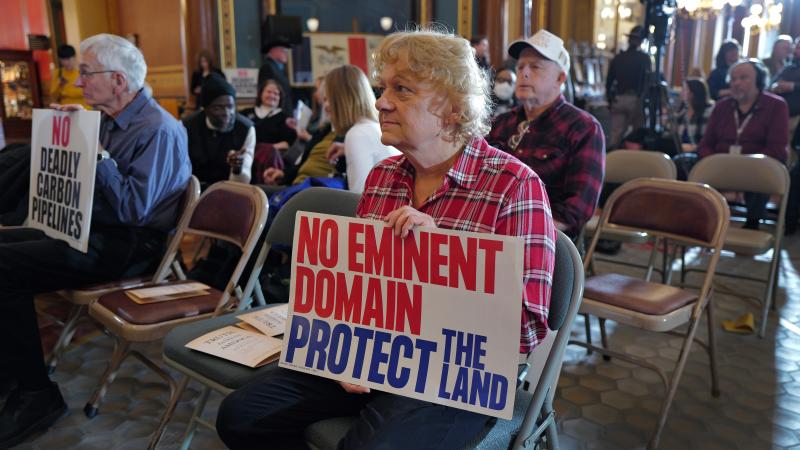
Opponents to unfettered development of carbon capture secured a couple of wins this time around, with the House Natural Resources Committee passing four bills.
Currently, Louisiana legislators have proposed a slate of bills aimed at slowing or even halting carbon capture in the state.
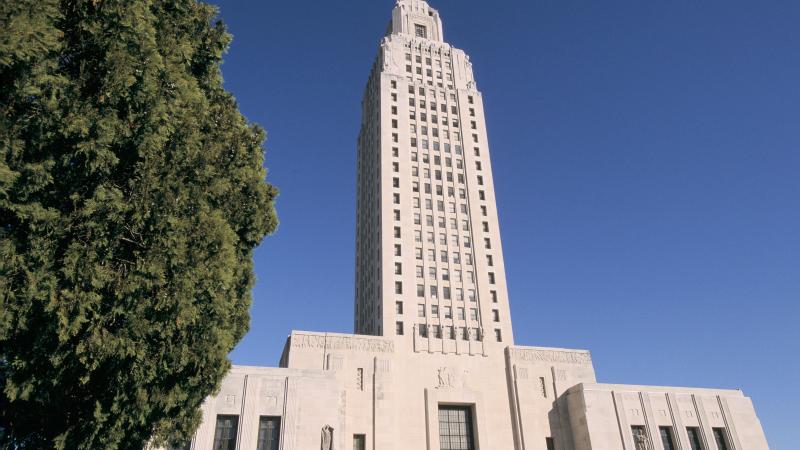
The state is reviewing 33 applications for Class VI wells, which are constructed for the injection and long-term storage of carbon dioxide underground.
The bill declares carbon capture to be in the public interest and clarifies that the state would have primary enforcement authority from the U.S. EPA.
Under the bill, revenue from the tax would have been distributed to parishes where carbon is stored, based on the geographic footprint of each facility.
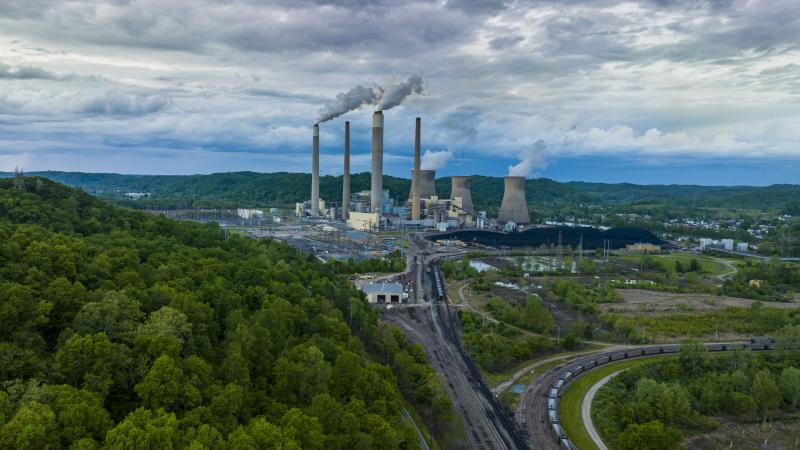
The EPA argues that the mandates of its power plant rule are achievable with carbon capture, but its models show no new natural gas-fired power plants or coal plants will use the technology through 2055.
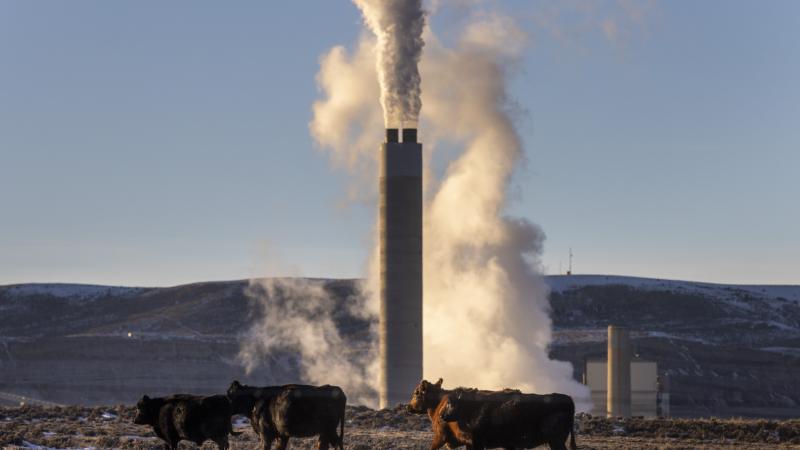
The administration’s announcement refers to carbon capture as “proven and cost-effective control technologies," but critics have argued that the technology is expensive to scale up to a degree it can have any impact on carbon dioxide emissions and will drive up energy costs.

The Biden adminsitration is reportedly looking to make carbon capture an integral part of power plants across America.