Image

Justices warn Maine school choice law may unconstitutionally favor 'watered down' religious beliefs
Maine's tuition assistance program appears to pick and choose between religions based on how evangelistic they are, justices say.
Image

'I don't kneel': Student sues Chicago schools over disguised religious rituals during class
The Quiet Time program included pushing religion on students, violating the First Amendment’s Free Exercise and Establishment Clauses, according to Green and her attorneys.
Image

Vermont backs down on religion-free school choice after SCOTUS knocks down Maine policy
Families denied funding for religious schools will be reimbursed for tuition paid out of pocket under settlements. State also agrees to pay their legal fees.
Image

Supreme Court rejects church challenge to Nevada COVID restrictions, White House slams ruling
In strong dissent, Justice Gorsuch writes: ‘In Nevada, it seems, it is better to be in entertainment than religion.'
Image
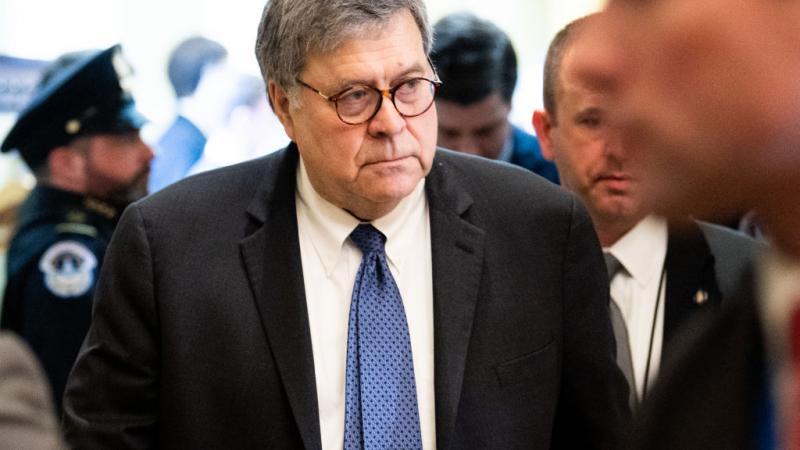
DOJ intervenes on behalf of church challenging Virginia governor’s virus restrictions
“For many people of faith, exercising religion is essential, especially during a crisis,” DOJ official says.
Image
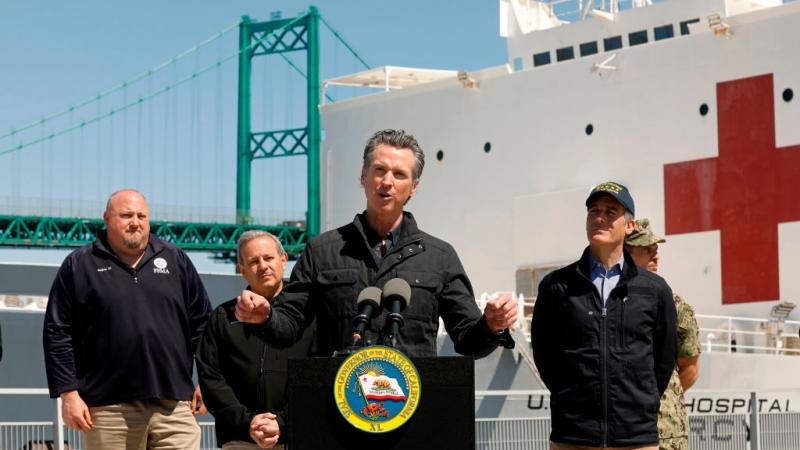
Court win by defiant church caps broad triumph over Newsom curbs on free exercise of religion
Settlement with Grace Community Church ends long legal standoff between California and houses of worship, which governor deemed "nonessential" as part of shutdown order.
Image

California city angers LGBT activists after voting to restrict flags on public property
The measure also prevents flags being flown that relate to religion, breast cancer awareness, the Confederacy, Black Lives Matter and other causes.
Image
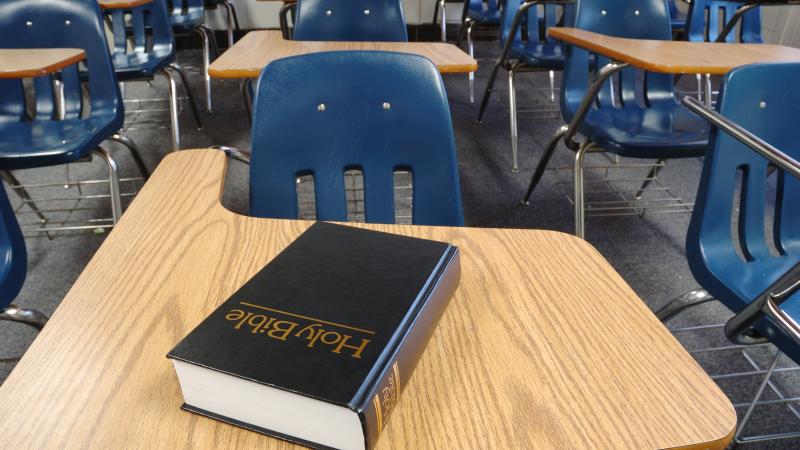
Texas Education Board allows Bible-based curriculum in elementary schools
The rule, which was approved in a 8-7 vote, follows the efforts of Texas's neighboring states of Louisiana and Oklahoma to incorporate more religion in public school settings. The new rule does not require that Texas elementary schools use Bible-based curriculum, but the schools will receive additional state funding if they do.
Image
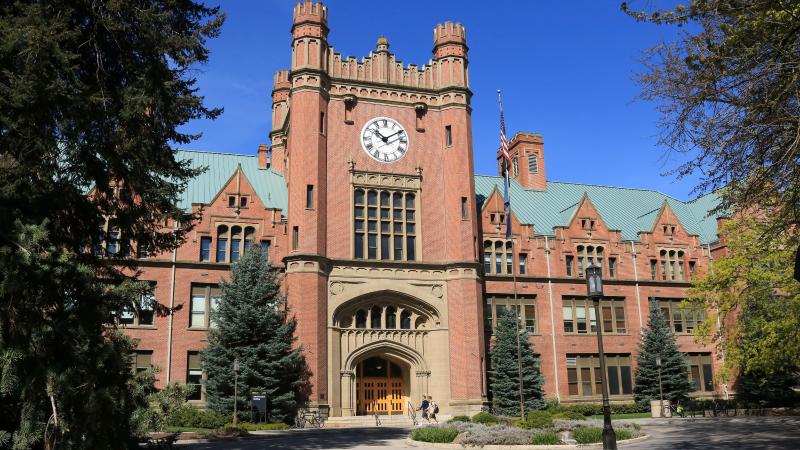
Idaho latest state to ban DEI in higher education
State board defines DEI ideology as “any approach that prioritizes ‘personal identity characteristics’ (race, color, sex, sexual orientation, national origin, religion, or gender identity) over individual merit.”