Who watches the watchdogs? GAO finds agency that polices Inspectors General breaks its own rules
The ancient Romans asked "Quis custodiet ipsos custodes?" Inspector General independence and IG firings have been a running accountability fight, and this is the watchdog-over-the-watchdogs failing the timeliness and transparency standards it's supposed to enforce, with Congress not being told.
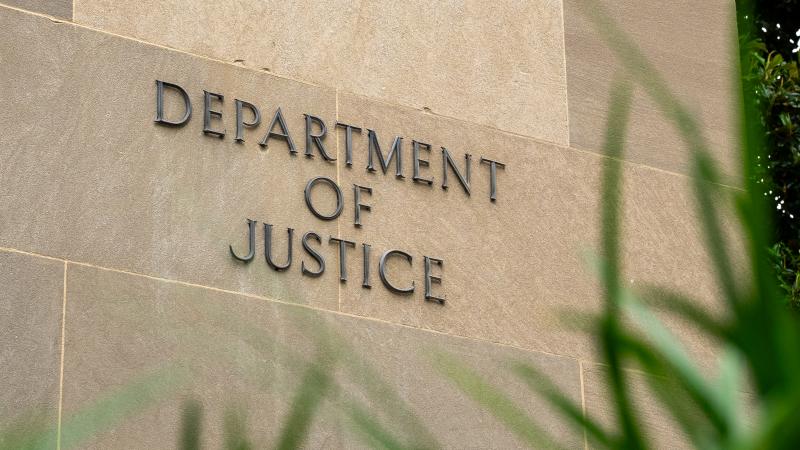
The agency tasked with investigating misconduct allegations against senior Inspector General officials routinely fails to follow its own policies and the law, a Government Accountability Office (GAO) report says. Between fiscal year 2021 and the first half of fiscal year 2025, the Council of the Inspectors General on Integrity and Efficiency’s (CIGIE) Integrity Committee received 16,245 complaints, resulting in 460 cases for review. During this time, it completed just 15 reports of investigations. Of the five investigations GAO reviewed, none were completed within the 150-day time frame required by law, with lengths ranging from 427 to 1,246 days.
The CIGIE was signed into law by President Jimmy Carter, who signed the bipartisan legislation into law on October 12, 1978, at the time establishing 12 presidentially appointed inspectors general (IGs) in Federal departments and agencies to provide independent oversight and promote economy, efficiency, and effectiveness throughout the Federal government. Upon signing the IG Act into law, President Carter described these new IGs as “perhaps the most important new tools in the fight against fraud.”
Lacking the receipts, but approving expenditures anyway
“Without adherence to time frame and documentation requirements, members risk inconsistently handling cases and not fully evaluating them due to reduced review time and incomplete information,” the GAO wrote in its review.
One major finding in the report is that the Integrity Committee did not always receive detailed reimbursement requests from inspectors general to ensure that funds provided to the agencies were used for their intended purpose. Even though the reimbursement request sometimes lacked details, all were approved. Legal counsel reportedly told the GAO investigators that the Integrity Committee had never denied a reimbursement payment.
The Committee reimburses investigative costs, including hourly labor costs, travel and transcription services. Between fiscal years 2021 and 2023, CIGIE budgeted $800,000 for Committee investigations, but in 2023, the Committee spent $1.2 million. The Committee then decided it needed more money for the increased number of complaints and investigations. Beginning in 2024, CIGIE began planning to spend $1.3 million on investigations from the Committee.
Cases with merit go uninvestigated
In addition, the Committee did not always provide updates to Congress when investigations exceeded 150 days, even though it is mandated to do so. The GAO estimated that only 24% of cases met all timeframe requirements for opening and review, with the remaining 76% not meeting timeliness requirements, including providing legal analysis for Integrity Committee member review prior to a case getting tossed as frivolous. This means that cases with merit might go uninvestigated.
Among the many issues with the Integrity Committee, it also failed at times to document required information in case summaries, including recusals from members with conflicts of interest. It also conducted limited oversight to ensure that assisting Offices of Inspectors General (OIG) complied with CIGIE’s quality standards. Further, the Integrity Committee’s final reports sometimes failed to reflect the conclusions reached by the assisting OIG and didn’t explain why there were differences. In one case reviewed by GAO, assisting OIG found a subject who didn’t tell the truth in their responses and therefore engaged in inappropriate conduct. The Committee, however, claimed the subject’s misrepresentations came from the time between the alleged acts and the investigation, but did not address the different conclusion in its final report.
The GAO proposed eight recommendations for improving the Integrity Committee, including the design and implementation of a process to ensure legal counsel reviews potentially frivolous complaints, implement strategies to meet required timelines, and include all required information in case summaries. In addition, the GAO recommended the Committee create strategies to comply with CIGIE’s quality standards, and better documentation of OIG requests for reimbursements.
The Facts Inside Our Reporter's Notebook
Links


Top Stories


Trending
Just the News Spotlight
Just News, No Noise