Related Articles


Barr said the proposal is intended to provide certainty for producers while adding consumer safeguards.
A bipartisan pair of House lawmakers has introduced legislation that would replace an impending federal ban on many hemp-derived THC products with a nationwide regulatory framework, arguing that stronger oversight would better protect consumers while preserving the domestic hemp industry.
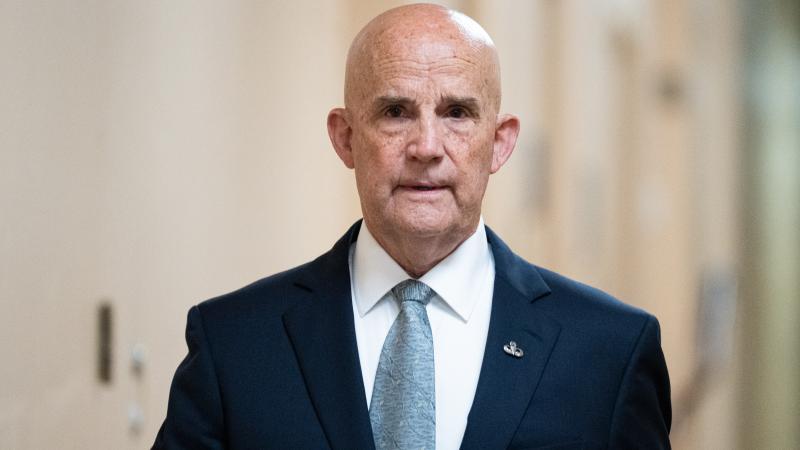
Reps. Andy Barr, a Kentucky Republican, and Angie Craig, a Minnesota Democrat, unveiled the Lawful Hemp Protection Act, which would establish federal standards for the cultivation, manufacturing, testing, labeling and sale of hemp-derived consumer products. The measure comes ahead of restrictions scheduled to take effect in November that industry groups say would effectively eliminate most hemp-derived THC products now on the market.
Barr said the proposal is intended to provide certainty for producers while adding consumer safeguards.
"Kentucky farmers helped build America's hemp industry and they deserve certainty," Barr said. "The Lawful Hemp Protection Act protects Kentucky agriculture, safeguards consumers, and establishes a commonsense regulatory framework that allows this important industry to continue to grow while ensuring products are safe and kept out of the hands of children."
Under the bill, hemp would be redefined to allow up to 1% total THC on a dry-weight basis. The legislation would also prohibit synthetic cannabinoids in finished hemp products, require consumable hemp products to be grown, processed and packaged in the United States, limit sales to adults 21 and older, and establish federal standards for packaging, advertising and product testing.
The proposal directs the Food and Drug Administration to establish maximum cannabinoid limits for hemp-derived consumer products. If the agency does not issue regulations within a year, interim potency limits would automatically take effect, including 5 milligrams of THC for ingestible products and 50 milligrams for inhalable and topical products.
Craig said the legislation builds on Minnesota's regulatory approach rather than imposing a broad prohibition.
"Minnesota became the model for responsible hemp regulation when it established a regulatory framework that complied with federal law and enabled local farmers and businesses to thrive," Craig said.