Supreme Court appears skeptical of Trump administration's argument to end birthright citizenship
“Birthright citizenship has been the rule for a very long time,” Justice Elena Kagan said
The Supreme Court on Wednesday mostly appeared skeptical of the Trump administration's argument to end birthright citizenship for babies born to parents who are not U.S. citizens.
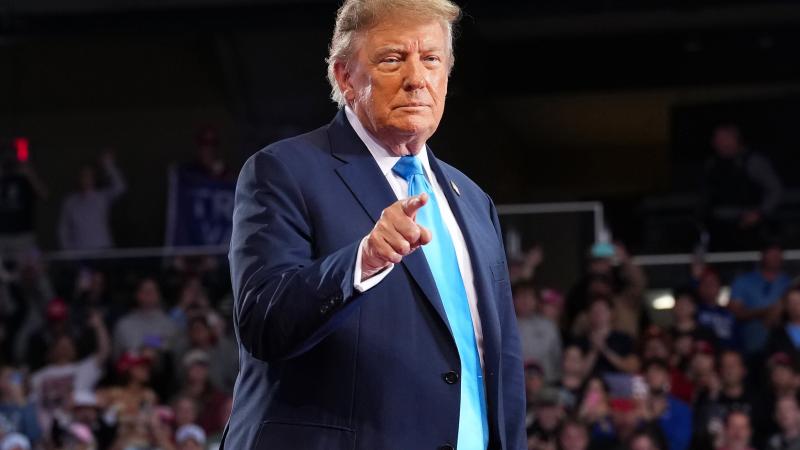
Solicitor Gen. D. John Sauer argued Wednesday before the high court, with President Trump in attendance, that birthright citizenship “rewards illegal immigration” and urged the justices to rule that the children of temporary visitors and illegal immigrants should not be deemed as citizens at birth, the Los Angeles Times reported.
Most of the justices, on the 9-member bench, said the Constitution had been interpreted for more than a century to grant citizenship to “all persons born” in the U.S., regardless of the citizenship status of their parents.
Justices Neil Gorsuch and Amy Coney Barrett said the 19th-century debates over citizenship focused on newborns, not their parents' legal status.
“In none of the debates are parents discussed,” Gorsuch said.
Barrett said the 14th Amendment's framers declared a “new type of American citizenship. ... They don’t focus on the parents. They focus on the child.”
Justice Elena Kagan told Sauer that he was seeking a major revision in longstanding law.
“Birthright citizenship has been the rule for a very long time,” she said. Because of this, she said, why “accept this revisionist history?”
American Civil Liberties Union lawyer Cecillia Wang argued that even during World War II, when Japanese Americans were sent to internment camps, it did not affect their newborns.
When those supposed “enemy aliens had babies, everyone agreed those babies were U.S. citizens,” Wang said.
Sauer argued in response that this understanding of birthright citizenship had been wrong from the beginning.
He said the citizenship rule did not extend to the children of immigrants and visitors who were “subject to a foreign power,” as those people did not have “allegiance” to the U.S.
Chief Justice John Roberts was also skeptical, saying, “It’s a new world, but it is the same Constitution.”
Justices Samuel Alito and Clarence Thomas were the only two who appeared to agree with that argument.
Alito said the 19th-century debates may be misleading because federal immigration laws did not exist at the time.
“We’re dealing with something basically unknown then — illegal immigration,” Alito said.
Last year, Trump proposed his interpretation of the 14th Amendment in an executive order, but it has been blocked by judges and has never been in effect.
The Facts Inside Our Reporter's Notebook


Top Stories

Trending
Just the News Spotlight
Just News, No Noise