Deputy AG says Epstein files to be released in batches starting Friday
Congress passed a bill mandating the documents regarding Jeffrey Epstein be made public within 30 days of the law's enactment
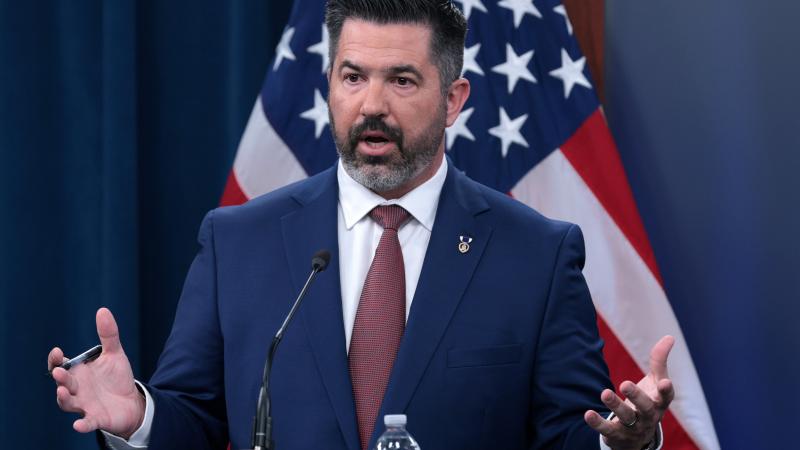
Deputy Attorney General Todd Blanche said that the Justice Department's files on Jeffrey Epstein will be released to Congress in batches over the next couple of weeks, starting Friday.
The Justice Department is facing a deadline Friday to release its files on Jeffrey Epstein, the convicted sex-trafficking offender who was friends with some of the world's most powerful men before he died.
Blanche told Fox News on Friday that the DOJ would release “several hundred thousand” documents on that day, “and then over the next couple weeks, I expect several hundred thousand more.”
He said the DOJ needs to redact any names or identifying information about witnesses.
“So today is the 30 days when I expect that we’re going to release several hundred thousand documents today. And those documents will come in in all different forms, photographs and other materials associated with, with all of the investigations into, into Mr. Epstein,” Blanche said.
“What we’re doing is we are looking at every single piece of paper that we are going to produce, making sure that every victim, their name, their identity, their story, to the extent it needs to be protected, is completely protected. And so I expect that we’re going to release more documents over the next couple of weeks. So today, several hundred thousand and then over the next couple weeks, I expect several hundred thousand more.”
Last month, Congress passed a bill mandating the documents be made public within 30 days of the law's enactment, POLITICO reported.
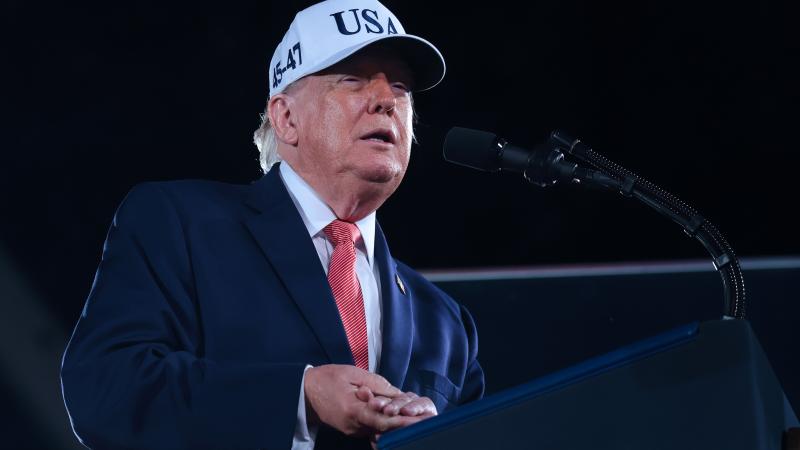
President Trump signed the bill into law on Nov. 19, after reversing his prior position on its passage and recommending Republicans vote for the bill, giving his administration until Friday to release its files related to Epstein.
The DOJ has not given much information on how it will comply with the law, which says that the department must “make publicly available in a searchable and downloadable format all unclassified records, documents, communications, and investigative materials” in its possession related to Epstein and his convicted co-conspirator, Ghislaine Maxwell.
The law also requires the DOJ to declassify any covered files “to the maximum extent possible.” The DOJ can redact or withhold records that “would jeopardize an active federal investigation or ongoing prosecution,” but prohibits omissions “on the basis of embarrassment, reputational harm, or political sensitivity.”
Before signing the bill into law, Trump ordered Attorney General Pam Bondi to open an investigation into Epstein’s ties to prominent Democrats, which has raised concerns that the administration may withhold or redact certain records, citing the active investigation as a justification.
Bondi said last month that the DOJ would “continue to follow the law with maximum transparency while protecting victims.”
Epstein died of suicide in a New York City correctional facility in 2019 awaiting trial on federal sex-trafficking charges. He pleaded guilty in 2018 in Florida to a state charge of procuring a female minor for prostitution.
Among those with whom Epstein associated was Trump and former Prince Andrew.
After Trump signed the bill into law, he accused Democrats of using “the Epstein issue,” which he has repeatedly referred to as a “hoax” during this term, in an effort to distract from his administration’s victories.
In July, the DOJ said that it had over 300 gigabytes of data and physical evidence related to Epstein, including more than 10,000 photos and videos of pornography and illegal child sex abuse material.
The Facts Inside Our Reporter's Notebook



Top Stories



Trending
Just the News Spotlight
Just News, No Noise