Related Articles

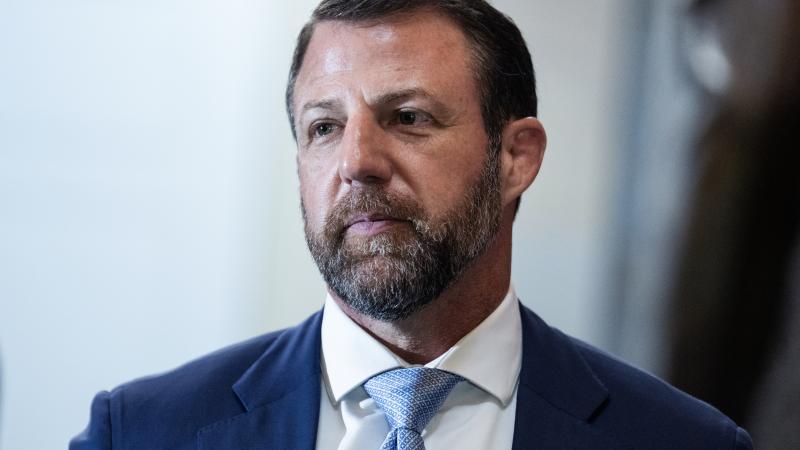


"We don’t want you to work at any point in time as police officers," Maryland Del. Adrian Boafo said
A Maryland Democratic legislator is proposing a measure to prevent U.S. Immigration and Customs Enforcement officers hired during the second Trump administration from joining state police.
The measure by Delegate Adrian Boafo is titled the ICE Breaker Act of 2026 and will be introduced when the General Assembly returns for the new session next week, according to local NBC affiliate News4.
“Everywhere I go in my district, folks are asking, what are we going to do about ICE?” Boafo said. “There’s only so much the state can do, but you know what I could do? Make sure that those ICE officers never have a job here in the state of Maryland. You want to work for any other industry in Maryland, sure.”
Boafo also said that he wrote the proposal before an ICE officer fatally shot Renee Nicole Good last week in Minneapolis.
“What we’re saying in Maryland is that any ICE officer, sworn agent who saw the horrific violence that’s been happening over the last year and said, ‘You know what, I want to join that work,’ we don’t want you to work at any point in time as police officers, law enforcement officers,” Boafo said.
Maryland has a Democrat-controlled General Assembly and governor.
Boafo also says the legislation would prevent anyone who joined ICE after Jan. 20, 2025 – the day President Trump was inaugurated – from serving in law enforcement positions within the Maryland State Government. ICE officers would not be prohibited from working in other areas of state government.
“Anyone who joined ICE before the inauguration of Donald Trump, anyone who actually swore the oath to try and protect the border, and actually go after violent offenders is not affected,” Baofo said. “You are welcome to Maryland with open arms."
The Department of Homeland Security didn't respond to News4's request for comment.
The proposed bill comes as ICE has increased its recruitment efforts, including offering incentives like a $50,000 hiring bonus, telework, tuition reimbursement, and transportation subsidies.