HHS takes a bite out of surging tick crisis, tests results-driven plan to reduce Lyme disease
Health and Human Services (HHS) Secretary Robert F. Kennedy Jr. is managing a new multi-million-dollar tick control pilot program directed by the CDC (Centers for Disease Control) in partnership with prominent vector-borne disease researchers.
Health and Human Services (HHS) Secretary Robert F. Kennedy Jr. announced an innovative plan to combat the tick population, closely connected to Lyme disease and other illnesses through the administration's Make America Healthy Again initiative.
Kennedy unveiled the initiatives late last month in Lyme-hard-hit New Hampshire during the administration's "Take Back Your Health" tour, calling it one of the most significant federal efforts yet to tackle the surging threat that sent emergency room visits for tick bites to their highest April levels since 2017.
Plans to suppress tick populations on key wildlife hosts, principally deer and mice
The centerpiece of the announcement is a new multi-million-dollar tick control pilot program directed by the CDC (Centers for Disease Control) in partnership with prominent vector-borne disease researchers.
Instead of depending primarily on personal repellents or residential treatments, the initiative redirects efforts upstream. It develops and implements targeted strategies to suppress tick populations on key wildlife hosts, principally deer and mice, prior to human exposure and pathogen transmission.
By interrupting tick reproduction cycles and infection prevalence within animal reservoirs, the program could substantially reduce disease incidence at the ecosystem level.
The pilot commences in collaboration with the New England Center of Excellence in Vector-Borne Diseases, an established research hub housed at the University of Massachusetts Amherst.
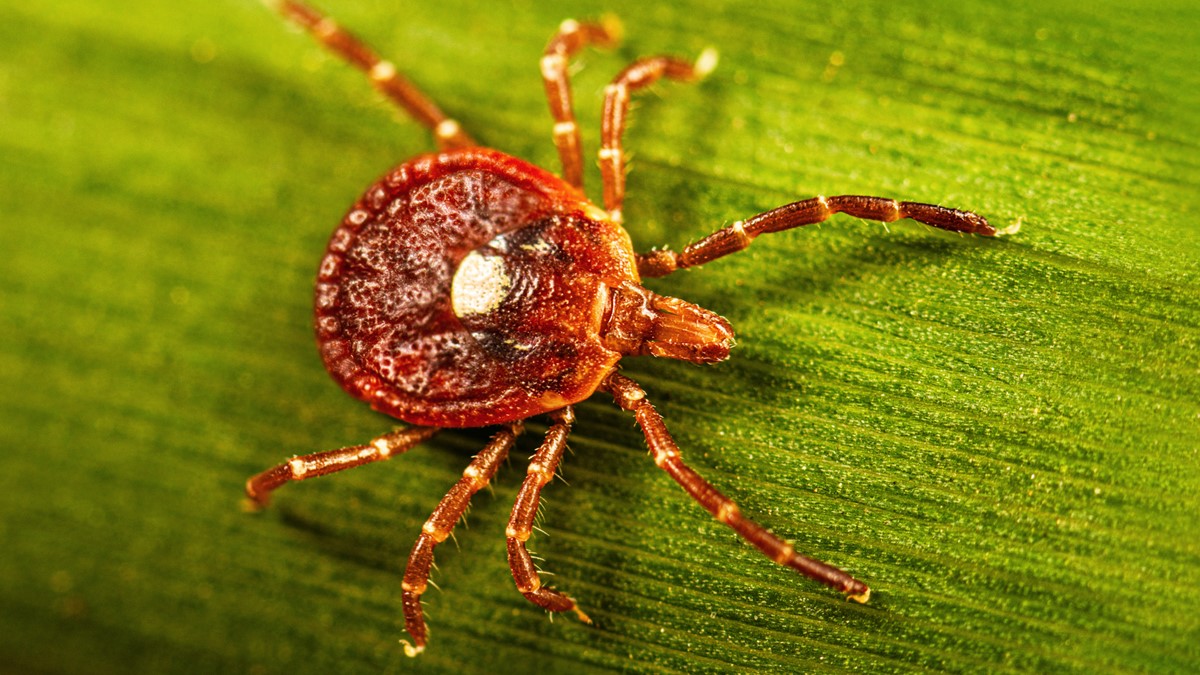
The Lone Star tick
The initiative isn't solely governmental. It incorporates community-based partnerships, including coordination with the Indian Health Service and the Wampanoag Tribe in Massachusetts, where Alpha-gal syndrome has received particular attention. According to the CDC, Alpha-gal is a serious, potentially life-threatening food and tickborne allergy. It develops when a bite from certain ticks—most notably the Lone Star tick—transfers a sugar molecule called alpha-gal into the body.
This prevention-oriented strategy supports MAHA’s focus on root causes of chronic illness rather than treating symptoms, which is oftentimes a life-long burden.
According to the administration, anticipated outcomes include scalable interventions for states with elevated burdens, furthering the national objective of a 25% reduction in Lyme disease cases by 2035.
Specific methods and implementation timelines will be detailed in the coming months, marking a transition from reactive care to systematic source reduction.
The Facts Inside Our Reporter's Notebook



Top Stories




Trending
Just the News Spotlight
Just News, No Noise