Supreme Court strikes down Rastafarian's religious rights lawsuit against prison officials
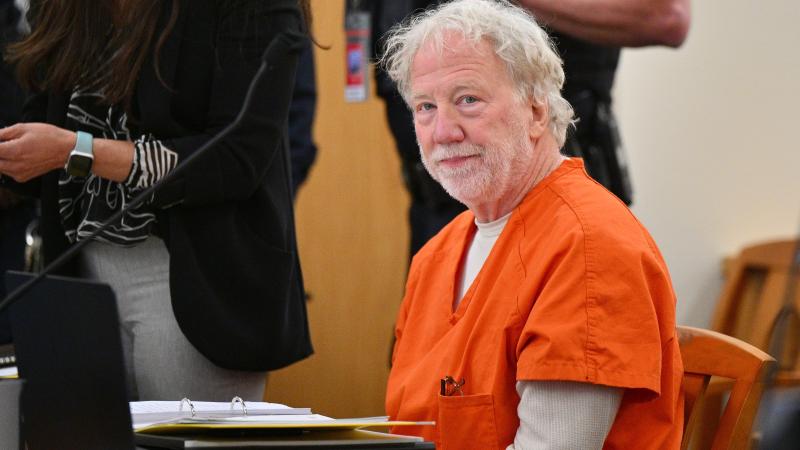
Damon Landor had taken what's known as the Nazirite vow and not cut his hair for 20 years. In 2020, officers handcuffed him to a chair and shaved his head.
The Supreme Court on Tuesday ruled against a Rastafarian who sued Louisiana prison officials for cutting his dreadlocks.
Damon Landor had taken what's known as the Nazirite vow and not cut his hair for 20 years. He was serving a five-month sentence on a drug charge at Raymond Laborde Correctional Center. In 2020, officers handcuffed him to a chair and shaved his head.
He had previously shown the officers a copy of a binding court ruling that deemed cutting a Rastafarian's dreadlocks to be a violation of religious rights, NBC News reported.
The court ruled 6-3 that Landor cannot seek damages under the Religious Land Use and Institutionalized Persons Act, which applies to local prisons that accept federal funding. Writing for the majority, Justice Neil Gorsuch said that the act does not allow for claims against individual officials. The act would only apply, Gorsuch wrote, if officials had consented to face liability under the federal law, but they had not.
“Mr. Landor’s case cannot proceed against them any more than a breach of contract action might proceed against a defendant who never formed a contract,” Gorsuch wrote.
Justice Ketanji Brown Jackson argued in her dissent that the purpose of the act is to protect prisoners housed in state and local facilities.
“Prisoners like Landor who suffer violations of their religious freedom in state prisons — no matter how blatant — will often be left remediless," Jackson wrote.
The Facts Inside Our Reporter's Notebook
Links


Top Stories

Trending
Just the News Spotlight
Just News, No Noise