Related Articles
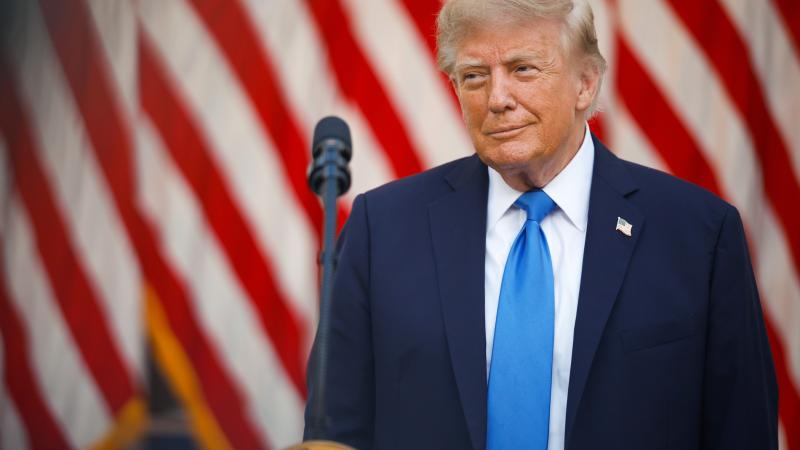


Sen. Elizabeth Warren, D-Mass., and five colleagues asked U.S. Trade Representative Jamieson Greer whether the administration has estimated what consumers paid in higher prices under the tariffs the Supreme Court struck down
Six senators want to know if the Trump administration has any plan to get tariff refunds to consumers with the government having cleared about $122 billion in refunds of struck-down duties for importers.
In a letter dated Monday, Sen. Elizabeth Warren, D-Mass., and five colleagues asked U.S. Trade Representative Jamieson Greer whether the administration has estimated what consumers paid in higher prices under the tariffs the Supreme Court struck down in February, and under each of the three tariffs that replaced them. They asked Greer to respond by Oct. 5.
The letter was also signed by Sens. Martin Heinrich, D-N.M.; Sheldon Whitehouse, D-R.I.; Richard Blumenthal, D-Conn.; Bernie Sanders, I-Vt.; and Cory Booker, D-N.J.
U.S. Customs and Border Protection had certified about $122 billion in refunds, including interest, and sent them to the Treasury Department for disbursement as of Sept. 11, according to a Sept. 15 court declaration from Brandon Lord, the agency's executive director of trade programs.
Importers paid about $166 billion under the struck-down tariffs, according to an earlier Border Patrol court declaration. Lord said more claims remain under review, while 6.1 million entries failed validation, including some past Border Patrol's 90-day window to reprocess them.
The refunds go to the importers of record that paid the duties, not directly to consumers. Economists say consumers absorbed much of the cost through higher prices.
The Tax Foundation, a nonpartisan tax-policy nonprofit, estimates Trump's tariffs raised taxes by an average of $1,000 per household in 2025 before the Supreme Court ruling.
The Supreme Court ruled in February that the International Emergency Economic Powers Act did not authorize the tariffs. The result, the senators wrote, has been "a broken IEEPA refund system in which corporations recover billions of dollars while the consumers who paid thousands of dollars in higher prices receive nothing."
At a July 22 Senate Finance Committee hearing, Warren asked Greer whether consumers would get refunds on the struck-down tariffs. Greer said the court had done what the Democratic state attorneys general who sued asked, which was to return the money to the companies that paid it.
"They didn't say give it to consumers," he said. "They said give it to companies. So that's what we have to do."
Asked whether the administration had a plan to get money back to consumers if its newer tariffs are also struck down, Greer said Customs has a website to return tariffs to the foreign and domestic importers of record who paid them, "and they'll continue to do that."
The Congressional Budget Office estimated in February that consumers face price increases equivalent to 95% of tariff costs, with foreign exporters absorbing the other 5%. Answering questions from Warren in May, the Congressional Budget Office said more recent evidence suggests exporters' share may have risen, possibly to 10% to 15% by the end of 2025.
Greer has disputed that consumers bear the cost.
"I don't concede that the tariffs went through to consumers," he told Whitehouse, one of the letter's signers, at the same hearing. "A lot of them were eaten by foreign companies."
Most research has found U.S. importers, not foreign exporters, bore 90% to 100% of the tariffs, according to a Sept. 1 Tax Foundation review. A July working paper by trade economist Caroline Freund found foreign exporters absorbed 40% to 50%.
The letter asks the same questions about the three tariffs that replaced the struck-down duties: a 10% global tariff under Section 122 of the Trade Act of 1974, tariffs under Section 301 of the same law, and 50% tariffs on certain Canadian goods under Section 338 of the 1930 Smoot-Hawley tariff law. A trade court ruled in May that the Section 122 tariff was unlawful, and it expired July 24 under the law's 150-day limit while the government appealed. Small businesses and 25 states have challenged the Section 301 tariffs, and Section 338 had never been used to impose tariffs before this year.
The administration has not published a dollar estimate of what the tariffs have cost consumers, the first question in the senators' letter.
The Center Square was unsuccessful in August getting comment from the U.S. Trade Representative's office.