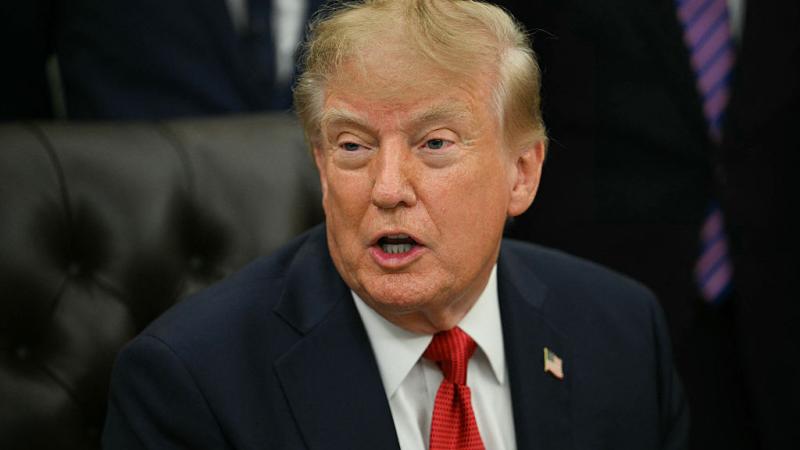
The hard-hat diplomat: How Trump’s construction roots may benefit the messy peace process
For Trump, who spent decades managing the usual controlled chaos on major construction sites, the current “messy path” is not a surprise. It comes with the job.
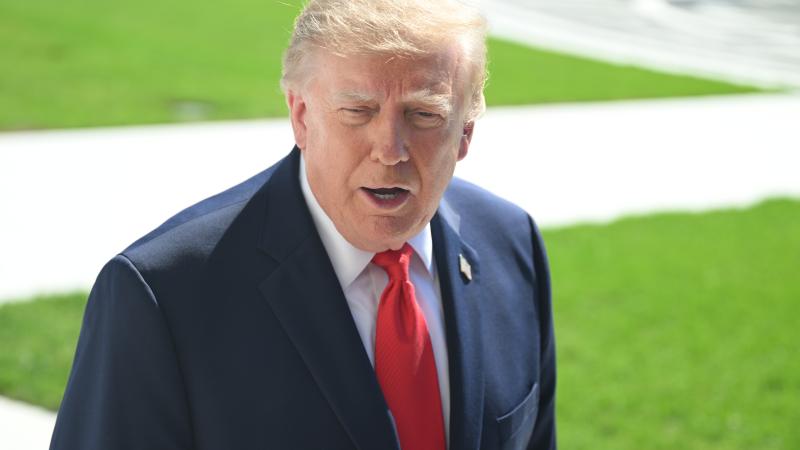
President Donald Trump’s efforts to secure peace with Iran, described by many in the media as following a “messy path,” mirror the starts and stops, stalled deals and unexpected roadblocks that define typical major construction sites, where Trump has spent decades navigating.
"We set the foundation. We haven't built the house, but we've laid a successful foundation to get to a good place for the American people. I think it's important for all of us to appreciate how much was done," Vice President J.D. Vance told the press Monday morning in Bürgenstock, Switzerland.
Trump’s efforts to broker a deal with Iran have followed a path familiar to anyone who has ever stood on a construction site: Messy, stop-and-go, filled with bureaucratic gridlock, surprise obstacles, and moments when it looked like the whole project might collapse. Yet for Trump, who spent decades mastering exactly this kind of controlled chaos, the current “messy path” is not a bug. It’s the job.
High-level U.S.-Iran talks mediated by Qatar and Pakistan took place Sunday in Bürgenstock, aiming to build on the recent memorandum of understanding (MOU) to turn a fragile ceasefire into a lasting peace deal.
The discussions, which stretched into early Monday and included Vance and top Iranian officials, produced what mediators called encouraging progress, including agreement on a roadmap for a final deal within 60 days, with technical talks set to continue.
Construction site chaos
Developers, architects and engineers all agree that the typical flow of a construction site is a symphony of controlled chaos marked by relentless stop-and-go rhythms rather than steady progress. It begins with weeks or months of stasis while architects finalize plans and municipalities grind through permitting processes—inspections, zoning reviews, environmental approvals—often stalling the entire project before a single shovel breaks ground.
Once cleared, site preparation and foundation work commence, only to halt again while waiting for specialized subcontractors: framers finish their phase, then electricians, plumbers, welders, HVAC crews, and roofers align their schedules around the prime contractor’s timeline, each bound by separate contracts that include lead times for materials, crew availability, and union rules.
That's not to mention the interference often thrown up by outside groups starting litigation to block a project. By way of example, the construction of the Obama Presidential Center in Chicago was delayed for years because of litigation.
A single delay like a missed inspection or a back-ordered steel beam can cascade into idle equipment and crews standing by, turning what could be a smooth sequence into a frustrating series of starts, stops, accelerations and bottlenecks that define the industry’s infamous “hurry up and wait” reality.
Skyscrapers to ceasefires: Establishing peace can be messy
Efforts to secure a new U.S.-Iran agreement broke ground in April 2025, but stalled after a 60-day deadline passed without a deal, contributing to escalated regional conflict that included Israeli strikes on Iran.
Talks resumed in multiple rounds through early 2026 amid ongoing tensions, producing starts and stops driven by disputes over Iran’s nuclear program, sanctions relief and proxy conflicts before a fragile memorandum of understanding was signed in mid-June in Islamabad to halt fighting and reopen the Strait of Hormuz.
The mid-June MOU signed in Islamabad served as the foundation pour: imperfect, but solid enough to stop workers from leaving the site, and creating a stable base. Implementation talks in Switzerland faced their own last-minute hiccups: a Friday postponement after U.S. pressure and Iranian complaints about Lebanon's compliance, followed by temporary walkouts once discussions resumed.
Yet by Monday morning, the crews were back on site. Mediators reported movement on a 60-day final blueprint, exactly the kind of phased milestone Trump has used to keep projects moving forward even when perfection remained months away.
Amanda Head is White House Correspondent for Just The News. You can follow her here.
The Facts Inside Our Reporter's Notebook


Top Stories



Trending
Just the News Spotlight
Just News, No Noise