Trump holds the cards in Netanyahu’s shaky reelection chances
Is Trump playing coy, or genuinely weighing his options? Persistent defiance or attempts to sabotage the deal — seen by Trump as key to ending the war, reopening the Strait of Hormuz, and stabilizing oil prices — would undoubtedly frustrate Trump and risk him pulling back support.
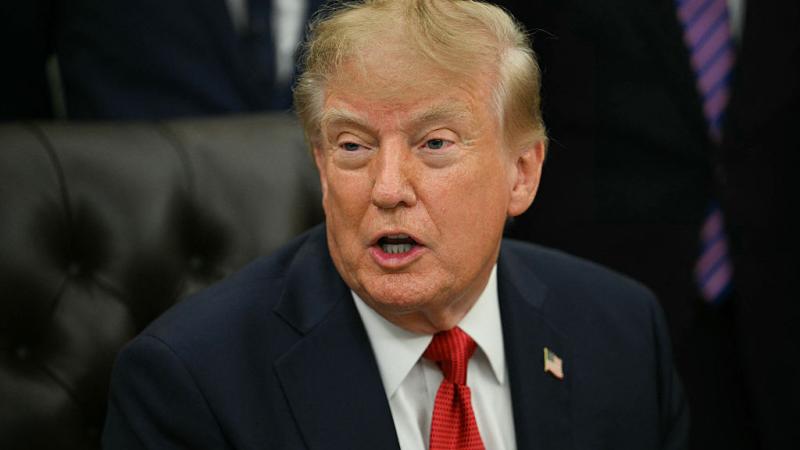
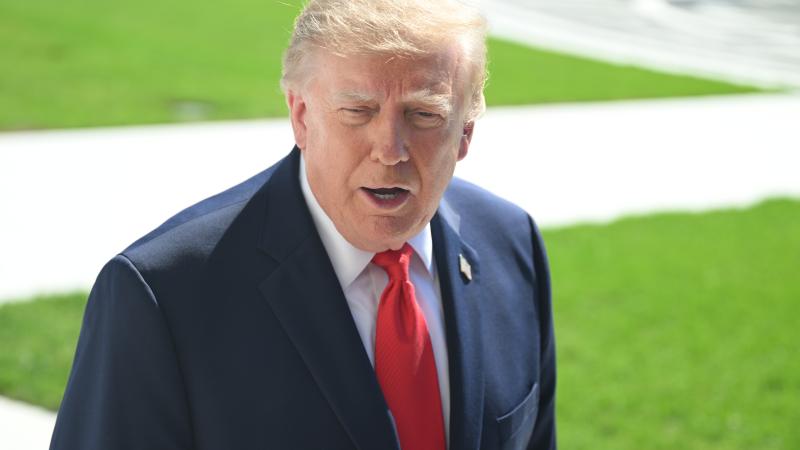
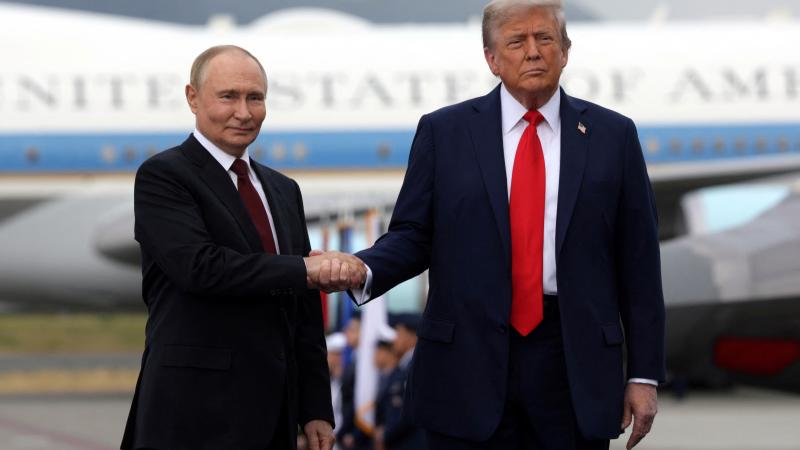
On Thursday, President Donald Trump dangled his endorsement of Benjamin Netanyahu for Israel’s upcoming fall elections, with a pocket full of leverage waiting to be used if Israel goes wayward on the current Memorandum Of Understanding (MOU) reached between the United States and Iran.
"I need to see who is running," Trump told Israel's KAN News. "I have a good relationship with Bibi, but he needs to be more rational. I am willing to meet with him. He's doing a very good job; he's got to be a little bit more rational."
While expressing fondness for “Bibi” and praising their past partnership, Trump issued pointed warnings for more “rational” and restrained military actions—particularly in Lebanon—amid tensions over the recent US-Iran MOU and ongoing strikes.
"There would be no Israel" without him: Trump
Any number of factors could spell doom for Netanyahu's election, and Trump has made it clear that his support could make or break it.
Just days ago, from afar, Trump exposed the widening gap with Netanyahu, insisting "there would be no Israel" without him in a public rebuke at the G7 (Group of Seven) summit.
Trump has repeatedly criticized Israel’s approach as too prolonged, overly aggressive, and lacking judgment, such as striking Beirut right before the Iran MOU signing and knocking down buildings for individual targets. He has publicly urged a “softer touch,” faster results without excessive civilian impact, and even suggested letting Syria handle Hezbollah, warning that continued escalation harms the broader peace effort.
Netanyahu’s far-right partners like Bezalel Smotrich and Israeli national security minister Itamar Ben-Gvir, have openly defied elements of the agreement, particularly the Lebanon ceasefire and withdrawal requirements, with statements that Israel is not bound by it.
Persistent defiance or attempts to sabotage the deal—seen by Trump as key to ending the war, reopening the Strait of Hormuz, and stabilizing oil prices—would undoubtedly frustrate Trump and risk him pulling back support.
Reviewing or waiting to assess alternative candidates
Trump stated he is “most likely” to endorse Netanyahu but must first “look at who’s running,” explicitly noting potential challengers like Naftali Bennett or Gadi Eisenkot.
A competitive field or signs of Netanyahu’s vulnerability could prompt Trump to hedge, stay neutral, or shift toward another figure who better aligns with his priorities.
Actions that keep the Iran-related war from being “in the rearview mirror,” delay regional stabilization, or contradict the MOU’s ceasefire terms would directly clash with Trump’s desire for quick wins and economic benefits. Netanyahu’s reported push for more decisive outcomes or regime-change elements not covered in the deal add to the friction.
Prolonging conflicts or badmouthing
Reported private frustrations (Trump allegedly called Netanyahu’s judgment into question in calls) or public divergence without quick alignment or meetings could sour the relationship.
Frequently in the past, Trump has emphasized their “good relationship” but has stressed that Netanyahu must align more closely Trump's messaging and not step out of line.
The Facts Inside Our Reporter's Notebook


Top Stories

Trending
Just the News Spotlight
Just News, No Noise