Related Articles
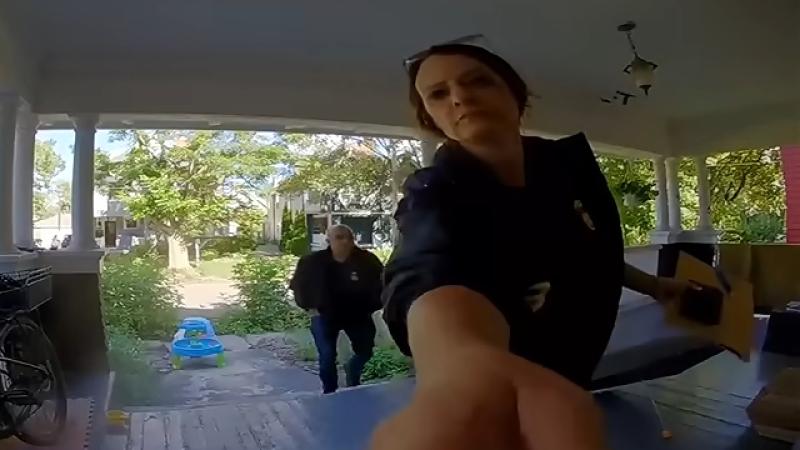

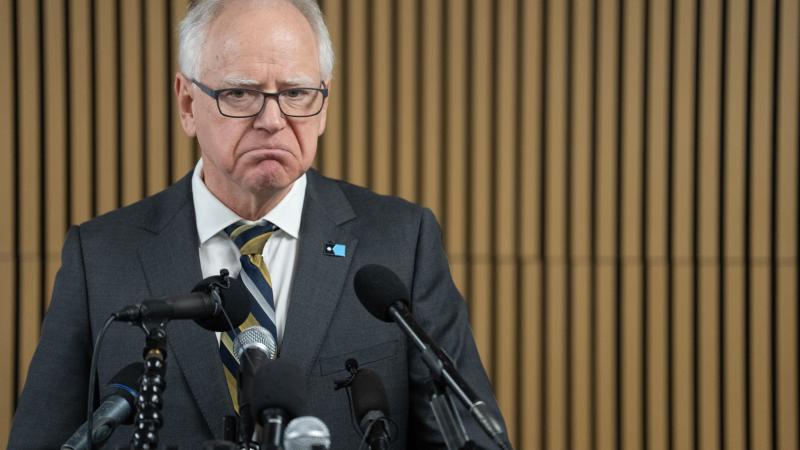

Eighth Circuit panel seems surprised by city's argument that SCOTUS ruling against "conversion therapy" ban doesn't affect its public accommodation law, which requires counselors to see gay couples but not endorse their marriage.
The Supreme Court likely sounded the death knell of state and local bans on so-called conversion therapy for minors, at least limited to talking, when eight justices blocked Colorado from punishing counselor Kaley Chiles for not affirming unwanted gender confusion in her young clients while letting her talk them into identifying as the opposite sex.
Missouri's Kansas City and Jackson County are nonetheless trying to preserve their self-admitted "functionally identical" ordinances as long as possible, and in the city's case, validate an even further-reaching, all-ages public accommodation ordinance, in response to a challenge by licensed counselors Wyatt Bury and Pamela Eisenreich.
The SCOTUS ruling threw a wrench in their arguments two months earlier that the laws regulate "professional conduct," which "only incidentally implicate speech" for the counseling bans and limit "discriminatory conduct by professionals" for the public accommodation law.
Earlier this month, the Show-Me State jurisdictions unsuccessfully argued to delay oral argument before the 8th U.S. Circuit Court of Appeals, to give them time to repeal each counseling ban, after failing to convince the St. Louis-based appeals court to waive oral argument altogether because Chiles "authoritatively decided" the "dispositive issues of the appeal."
The counselors' lawyers had emphasized the city and county didn't mention repeal legislation until the 8th Circuit rejected their plea to waive, and that Kansas City said nothing about repealing its public accommodation law, which is still chilling the counselors' speech because they risk jail time for violating it.
Kansas City attorney Tara Kelly reiterated at oral argument before judges Steven Colloton, Bobby Shepherd and Jonathan Kobes, nominated by presidents George W. Bush and Donald Trump, that the city had already introduced repeal legislation and Jackson County would do so in a few days. (County attorney Theresa Bullington didn't argue at the hearing.)
The panel should remand the counseling bans to U.S. District Judge Roseann Ketchmark to evaluate under Chiles, which requires such laws to meet strict scrutiny, the most demanding level of judicial review, Kelly said. Ketchmark had upheld the counseling bans while blocking the public accommodation law only as it applies to "pronoun usage."
The city wants to develop new evidence, including expert witness testimony, that what it calls conversion therapy for minors is a harmful practice, thereby demonstrating the government has a compelling interest and a ban is narrowly tailored to that interest, Kelly told a judge, none of whom was identified when speaking during the audio-only hearing.
Criticize their gay marriage in the counseling session, not beforehand
Kelly seemed to surprise the panel by defending the public accommodation law with no reservations, admitting it forces counselors to see clients who seek same-sex marriage counseling and affirmation of their gender confusion regardless of counselors' religious beliefs to the contrary.
The law doesn't limit speech about the counselors' Christian beliefs on sexuality and gender identity, which Bury and Eisenreich want to post on their websites to give would-be clients advance notice, but simply prohibits them from telling particular groups that "patronage is unwelcome," like a whites-only sign at a lunch counter, Kelly said.
Bury and Eisenreich can tell gay married couples "in the process of counseling" that they don't approve of same-sex unions, but probably not advertise marriage counseling while excluding gay couples, Kelly told a confused judge.
When Kelly didn't give a straight answer on whether the law lets counselors tell potential clients "what they're doing beforehand" – affirming only heterosexual marriage – a judge asked again whether a counseling business could say "ahead of time" that it will oppose the marriages of gay couples who come for counseling, such as by putting it on a sign.
Businesses are simply prohibited from saying "I will not take you as a client" because of a person's sexual orientation or gender identity – which is "pure regulation of conduct" – but the law is agnostic on "regulating the content" of the counseling session, Kelly said.
She distinguished the law from the "artistic expression" cases decided by SCOTUS, Masterpiece Cakeshop and 303 Creative, which dealt with creating custom products – cakes and websites respectively – for same-sex weddings in Colorado.
SCOTUS said a baker would likely violate any public accommodation law by refusing to sell even pre-made cakes for homosexual nuptials, Kelly claimed.
Last year, the high court passed on reviewing a ruling by a California state judge who made the same distinction, upholding the Golden State's civil prosecution of Tastries owner Cathy Miller for refusing to sell an allegedly "pre-designed" wedding cake to a lesbian couple.
Kansas City contradicting itself while on the hot seat?
The jurisdictions said nothing "for about five weeks" after the Chiles ruling, and are now promising repeal legislation to avoid an injunction without offering anything more, Alliance Defending Freedom lawyer Bryan Neihart, representing Bury and Eisenreich, told the panel.
The legislation hasn't passed, nobody knows what the final language will be, and the county admitted it's still enforcing its counseling ban despite Chiles, to say nothing of the city refusing to repeal or even disavow enforcement of the public accommodation law, he said.
Neihart tried to explain to the confused panel, which seemed inclined to remand much if not all of the case to District Judge Ketchmark, what exactly the counselors were seeking from the appeals court in the form of an injunction.
In addition to blocking the public accommodation law, the 8th Circuit could block the counseling bans by reinstating the free-speech challenge that Ketchmark dismissed, Neihart said.
But at some point Bury and Eisenreich want their as-applied challenge to the statutes' vagueness reinstated as well, because they have "essentially over-complied" and suffered constitutional injuries unique to vagueness, he said.
If it remands to Ketchmark, the panel needs to tell her that Chiles resolved the "speech-conduct dichotomy" in both the counseling and public accommodation contexts, because the district judge botched it the first time, Neihart said.
Ketchmark is also not following the 8th Circuit's own Telescope Media Group precedent, he said, which reinstated a First Amendment challenge by Carl and Angel Larsen against Minnesota's anti-discrimination law for forcing the Christian couple to make same-sex wedding videos if they also make traditional-wedding videos.
When an appellate judge said Ketchmark "could act as quick or quicker than we could" to give the counselors the relief they seek, Neihart replied that it would take several more weeks to brief the district court on the impact of Chiles.
Kansas City attorney Kelly also confused the panel on exactly what she was arguing related to injunctions.
She insisted the counselors have nothing to fear and an injunction is unwarranted because the city has never applied the ordinance to counselors.
"I know of nothing coming out of our civil rights enforcement division" in the way of guidance that would reasonably lead the counselors to chill their speech, she said.
When Kelly insisted Chiles doesn't affect "the application of the public accommodation ordinance," an appeals judge reminded her that District Judge Ketchmark "expressly wove into" her analysis that counseling is "non-expressive conduct that's not protected" by the First Amendment.
"Why wouldn't Chiles have a bearing on the proper disposition of this relief that's been requested?" in light of Ketchmark's analysis, the judge asked.
Neihart's rebuttal said Kansas City's public-accommodation position during the hearing contradicts its briefs, which according to him called the counselors' business an "admitted discriminatory practice," said the law requires them to provide counseling "inconsistent with their beliefs" and conflated speech with conduct in defending the public accommodation law.
The city has repeatedly argued in friend-of-the-court briefs before SCOTUS that public accommodation laws can legitimately compel speech, which means Bury and Eisenreich must offer affirming counseling to gay married couples and transgender people if they offer the same to heterosexual couples and people who identify with their sex, Neihart said.
"They seem to be retreating, potentially," a judge responded.