Trump announces plan to increase beef imports and lower prices that ranchers previously criticized
In response to Trump's past efforts to waive higher quotas for beef imports, the American beef industry has argued the plan hurts ranchers.
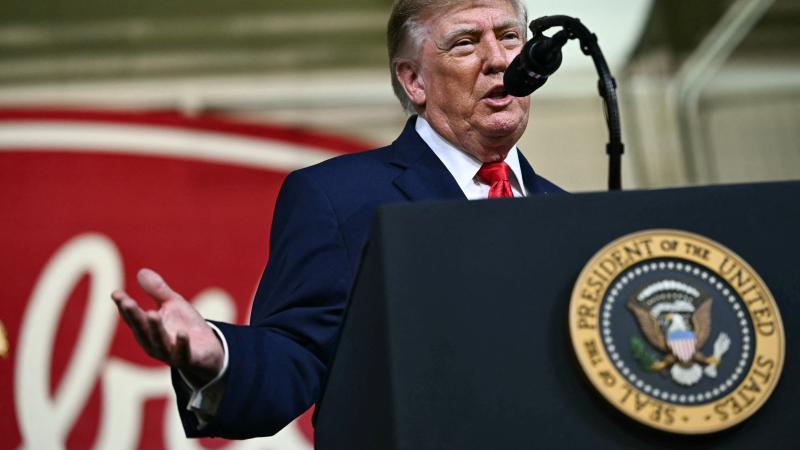
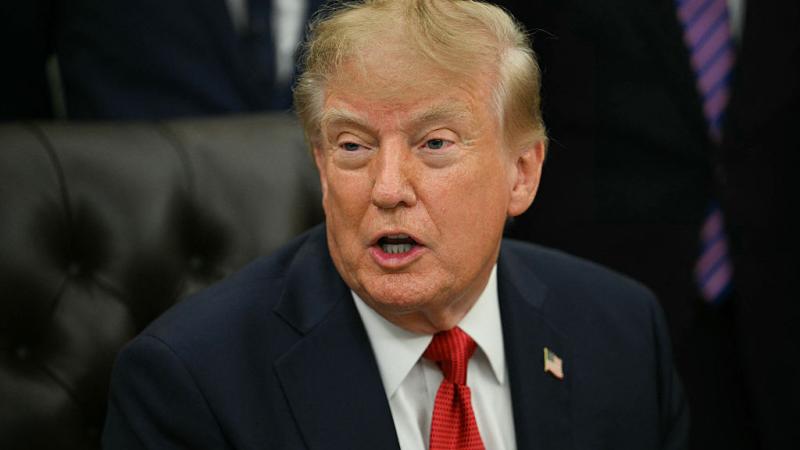
President Donald Trump on Friday announced a plan to ease higher tariffs on increased beef imports.
The move, Trump explained in a Truth Social post, would help U.S. ranchers and lower beef prices for consumers.
"As everyone knows, under President Biden, beef prices soared at their fastest rate and the American beef herd fell to its smallest size in modern history. As we work to rebuild this herd and help our ranchers, for the next 90 days, the United States will allow up to 300,000 metric tons of product for ground beef to be imported with no out of quota tariff," Trump said.
However, in response to Trump's past efforts to waive higher quotas for beef imports, the American beef industry has argued the plan hurts ranchers.
In May, when Trump was reportedly considering an executive order to allow more beef imports, the American Farm Bureau Federation issued a statement criticizing the plan, saying it would increase beef supplies in the short term while weakening incentives for American ranchers to rebuild herds.
"Ranchers are finally starting to recover from years of losses. Any plans to increase beef imports are extremely worrisome and could undermine the fragile recovery ranchers are experiencing. We appreciated the president’s efforts to enhance the farm economy earlier this year. We now urge him to consider the economic impact an executive order would have on rural America," AFBF President Zippy Duvall said.
Rep. Thomas Massie, R-Ky., also slammed the president's plan.
"What a slap in the face to American cattlemen & consumers. Worse than socialism! Dumping foreign beef in U.S. markets can temporarily lower prices but it won’t incentivize American farmers to raise more beef," Massie said in a post on X.
Massie proposed a better way to help American ranchers would be to pass is country of origin labels and PRIME Act, which allows farmers and ranchers to slaughter their livestock at local slaughterhouses with state-level inspections. This would reduce ranchers' reliance on meat processing centers approved by the U.S. Department of Agriculture.
The Facts Inside Our Reporter's Notebook

Top Stories



Trending
Just the News Spotlight
Just News, No Noise