Related Articles


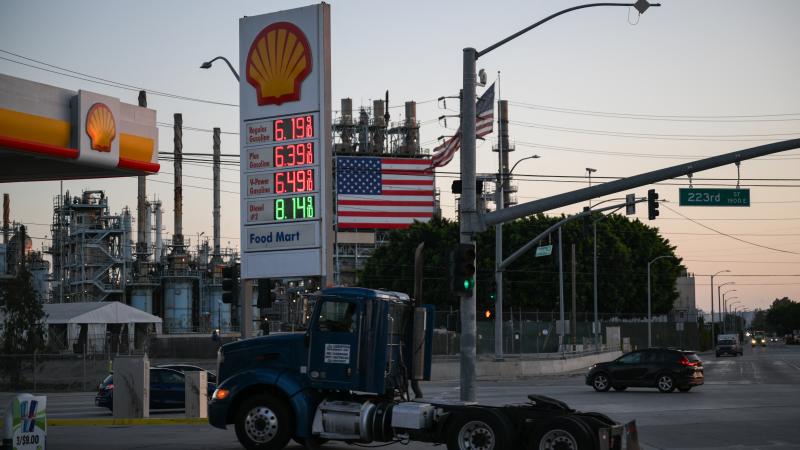

The appeals court halted enforcement of the climate regulations as a result of proceedings in a lawsuit filed by a number of business groups, including the California Chamber of Commerce.
California state air regulators have said they will not require large businesses to disclose their so-called climate-related financial risks in the wake of a federal appeals court ruling pausing implementation of the state law.
The California Air Resources Board (CARB) said on Dec. 1 that it will abide by a federal appeals’ court order and not enforce provisions of Senate Bill 261 after the federal Ninth Circuit Court of Appeals on Nov. 18 granted the plaintiffs’ motion for injunction against the law.
SB 261, which was enacted in 2023, mandated companies doing business in the state whose gross revenues exceed $500 million per year to disclose their climate-related financial risk every other year. CARB would, in turn, oversee the reporting requirements and publish summaries of the businesses’ reports.
The appeals court halted enforcement of the climate regulations as a result of proceedings in a lawsuit filed by a number of business groups, including the California Chamber of Commerce. The plaintiffs in the case argued that the new rules would violate First Amendment speech rights by compelling them to engage in speech with which they disagree, based on terms and conclusions with which they may disagree.
The Chamber further asserts the law will lead to substantial compliance costs for affected companies. And, the Chamber and others have asserted, the law will sweep in a broad range of companies throughout the country and the world, not just those based in California or even those that do a large share of their business in the Golden State.
A statement from the California Chamber expressed satisfaction with the pause in enforcement of the law’s provisions.
“California businesses were facing a Jan. 1 date to comply with a law that we believe infringes on their First Amendment rights,” the statement says. “Had the court not taken (this) action, companies would have been forced to engage in speech that can’t be undone. We look forward to making our case in the new year, as we believe this law and another related new law (SB 253, the Climate Corporate Data Accountability Act) present untenable mandates and a dangerous precedent.”
SB 253, which the appeals court did not pause, mandates corporations to report their direct and indirect greenhouse gas emissions. Supporters of the law contend it would increase transparency about the environmental consequences of the actions of businesses.
The group Los Angeles County BizFed also opposes the climate-reporting laws, calling SB 261 excessive and unconstitutional.
“This pause gives businesses breathing room and reinforces our core message: One state cannot impose nationwide mandates or weaponize compliance reporting, and compelled speech is not free speech,” BizFed said in a statement.
Not all large businesses covered by SB 261 are vocal supporters of the appeals court’s pause. In a statement, Southern California Edison told the Southern California Record that, “Southern California Edison was neutral on Senate Bill 261” and did not offer further comment.
Other companies covered by the 2023 law did not respond to requests for comment about the appeals court ruling.
Daryl Joseffer, chief counsel for the U.S. Chamber of Commerce, which is a plaintiff in the federal litigation, said plaintiffs remain focused on pausing the two climate-related measures.
“We look forward to securing an injunction of both climate-disclosure laws, which result in massive compliance costs for companies and their supply chains,” Joseffer said in a prepared statement. “One state should not have the ability to impose this kind of burden on the entire country.”