World Bank revamps green energy funding, but clean energy stays
Change comes after Trump administration officials criticized the Bank's fixed percentage mandates, claiming they distorted growth in the global economy.
(The Center Square) -
The World Bank Board announced Tuesdsy the end of a commitment to direct 45% of its total financing toward climate-related projects, though under the new rules individual nations can still request funding for clean energy infrastructure.
The change comes after Trump administration officials criticized the Bank's fixed percentage mandates, claiming they distorted growth in the global economy.
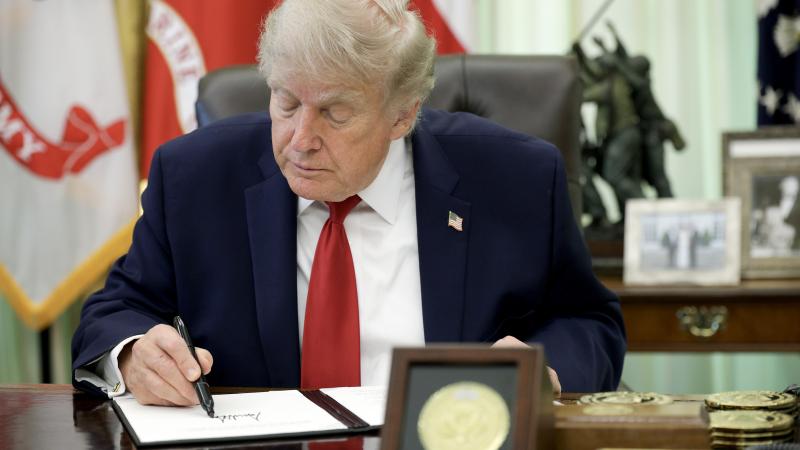
In April, U.S. Treasury Secretary Scott Bessent demanded that the World Bank eliminate its 'myopic' and 'distortionary' 45 percent climate target, saying it bred inefficiency and distracted from core missions like poverty reduction.
Eighteen European member nations, led by France, pushed to retain the 45% mandate, arguing that removing formal targets would slow down global green capital flows.
World Bank President Ajay Banga instead pivoted the institution to a "smart development" model, a newly developed framework that replaces quotas with a demand-driven system based on the requests of individual countries.
When announcing the change, the Bank also extended the remainder of the Climate Change Action Plan, which was set to expire. The Board committed to reviewing the plan.
"The World Bank's decision to abandon its 45 percent climate finance target is a long-overdue course correction that prioritizes the actual needs of developing nations over green ideological commitments," said Jason Isaac, CEO of the American Energy Institute. "This is a win for rational economic development."
Despite the elimination of the 45% quota, the Bank's funding pipeline for energy projects remains robust because borrowing nations are now requesting capital for infrastructure development to shield themselves from volatile fuel markets, analysts say.
“Developing countries are increasingly seeking investments that both reduce poverty and seize the opportunity of more resilient, greener growth," Melanie Robinson, Global Director for Climate, Economics and Finance at the World Resources Institute, said in a statement. Since the targets were first established, Robinson said countries have consistently used World Bank resources to expand access to "clean and affordable energy and water" while building more resilient local economies.
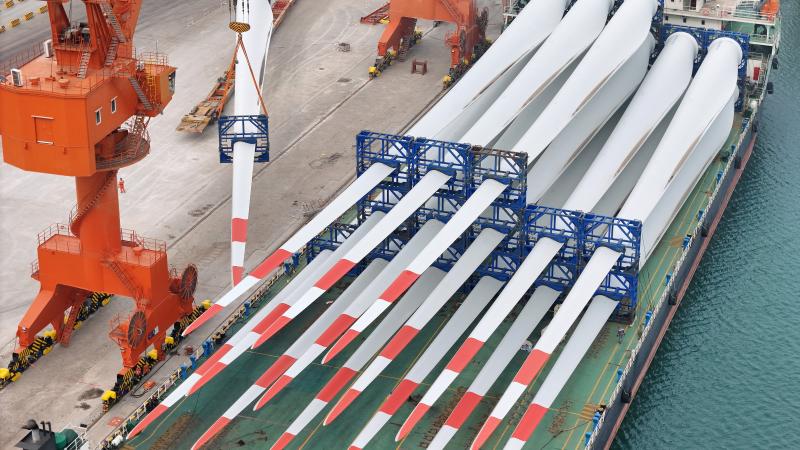
Earlier this week, the World Bank approved a $1.02 billion financing package for the Philippines' energy transition, a program designed to scale up domestic power production and reduce reliance on imported fuels. World Bank Division Director Zafer Mustafaoglu said the wind, solar, and geothermal projects help the country take control of its own energy future, adding they turn natural resources into "reliable, affordable electricity for families and businesses."
Steve Milloy, senior fellow at the Energy & Environment Legal Institute, expressed skepticism about the Bank’s “smart development” funding model, suggesting the bank could simply reclassify its spending. Milloy contends the administration should "pull the U.S. out of corrupt, wasteful and failed global institutions.”
Because the World Bank relies on U.S. capital to maintain its lending capacity, its leadership remains incentivized to align future project approvals with Washington’s priorities to avoid potential funding cuts or a total American withdrawal.



Top Stories

Trending
Just the News Spotlight
Just News, No Noise