Heat, humidity, lingering fireworks smoke made DC on Sunday the city with worst air quality in world
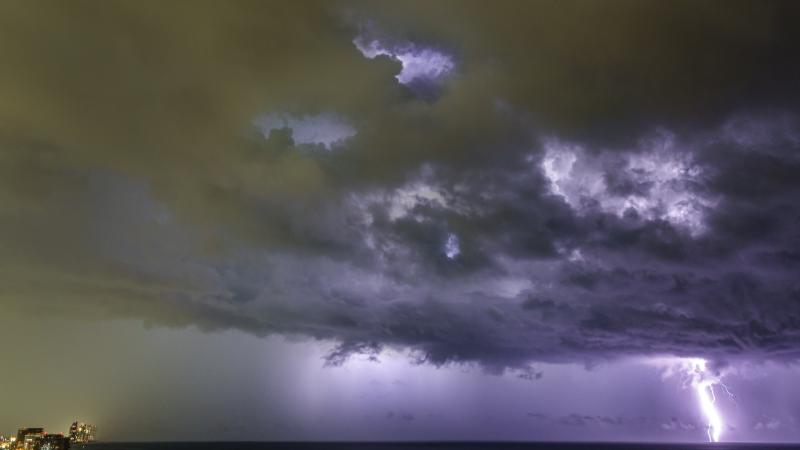
The fireworks were not set off until after 11 p.m. on Saturday, July Fourth night, because of thunder-and-lightning storms.
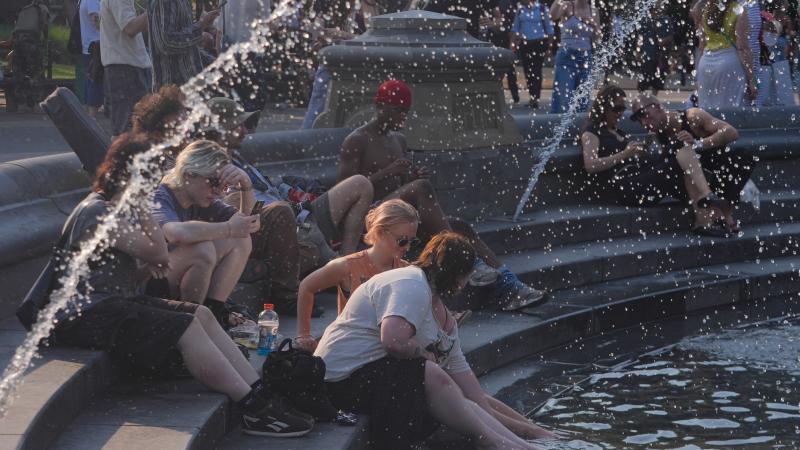
Washington, D.C., on Sunday had the worst air quality of any city in the world – the result of high humidity, temperatures hovering near 100F and air pollution from a July 4 fireworks show overnight billed as biggest in history.
The fireworks were not set off until after 11 p.m. on Saturday, July Fourth night, because of thunder-and-lightning storms.
The White House billed the fireworks as “the largest pyrotechnics display in the history of the world.”
According to a live-tracker on the IQ Air website, the nation's capital briefly had the worst, followed by Kinshasa, in the Democratic Republic of Congo. However, the city had fallen to sixth by midday Sunday, according to the local online newsletter City Cast.
D.C. officials issued a Code Purple alert, which means the air is unhealthy for all residents.
Purple is the second-worst code, after Maroon, which is considered a health-emergency situation.
The codes, according to AirNow.gov are as follows:
- Greean (Good, 0–50): Air quality is satisfactory; air pollution poses little or no risk.
- Yellow (Moderate, 51–100): Air quality is acceptable. However, unusually sensitive people may experience mild health concerns.
- Orange (Unhealthy for Sensitive Groups, 101–150): General public is generally not affected, but people with respiratory issues (like asthma) or the elderly are at risk.
- Red (Unhealthy, 151–200): Everyone may begin to experience health effects; sensitive groups face more serious impacts.
- Purple (Very Unhealthy, 201–300): Health alerts trigger here; the risk of health effects increases for everyone.
- Maroon (Hazardous, 301–500): Health warnings of emergency conditions; the entire population is likely to be affected.
The Facts Inside Our Reporter's Notebook

Top Stories



Trending
Just the News Spotlight
Just News, No Noise