UC Berkeley, Pomona College settle discrimination cases with Jewish professor, students
“I respect and appreciate Dr. Nativ’s decision to settle this case,” UC Berkeley Chancellor Rich Lyons said
The University of California, Berkeley and Pomona College have settled discrimination cases with a Jewish professor and students, respectively.
UC Berkeley said on Wednesday that it agreed to pay an Israeli sociologist and dance researcher $60,000 for an incident two years ago in which the visiting professor said she was not invited back to teach a course despite the success of the class, the Los Angeles Times reported.
Yael Nativ, who taught her course in 2022, sued in state court, alleging she was rejected because of her Israeli nationality. This occurred while there were protests against Israel’s war in Gaza on campus after the Oct. 7, 2023, Hamas attack on Israel.
A formal campus investigation last year found that Nativ faced discrimination. She said she filed the lawsuit after she asked the university to follow up on the investigation results by rehiring her and taking actions to prevent similar future incidents, but did not receive an adequate response.
The university said Nativ has been invited to teach the same class “in a semester of her choosing.”
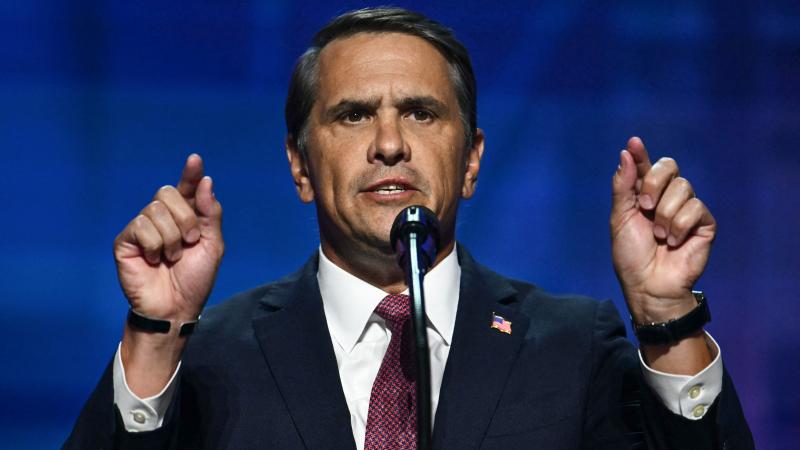
“I respect and appreciate Dr. Nativ’s decision to settle this case,” UC Berkeley Chancellor Rich Lyons said in a statement. “She is owed the apology I will provide on behalf of our campus. We look forward to welcoming Dr. Nativ back to Berkeley to teach again.”
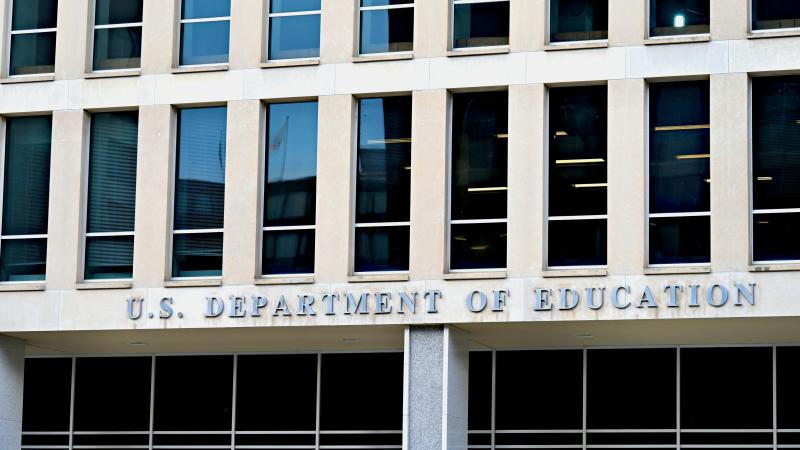
Pomona College, about 30 miles east of Los Angeles, agreed to a non-monetary settlement over a complaint filed last year with the U.S. Education Department alleging civil rights law violations during its response to pro-Palestinian demonstrations.
In a protest last year, demonstrators were arrested after they occupied an administrative office. Later, the college relocated its commencement to Los Angeles because of an encampment setup on the campus stage where it was originally supposed to take place.
According to some Jewish students, the protests created a “hostile environment” for them, and they accused college leaders of not fully responding to their complaints or enforcing campus free speech and nondiscrimination rules.
Pomona College said it will hire a Title VI civil rights coordinator, create a “task force, committee or advisory council” on Jewish life and antisemitism, mandate Title VI training, advocate for engagement with Israeli and Palestinian educational institutions, and make updates to policies regarding protest, masking, and ID.
The settlements with Berkeley and Pomona involved the Louis D. Brandeis Center for Human Rights Under Law, which represented Nativ and filed the complaint with the Education Department. In the Pomona case, a Jewish student life organization called Hillel and the Anti-Defamation League were also part of the complaint.
The Education Department’s Office for Civil Rights was involved in mediation, but the Pomona case settlement was a private agreement between the parties.
Pomona College President Gabi Starr said in a statement that Pomona entered into the settlement “because the college takes seriously its obligation to evaluate complaints about discrimination and to see if there are additional steps we can take to strengthen a welcoming and supportive learning environment for our students and everyone at Pomona.”
Starr said that at “every step in the discussions over these last several months, the college stressed that any agreement must protect free speech (including peaceful protest), academic freedom and open inquiry; and must help us protect all our students, including Jewish and Israeli students, from discrimination and harassment. In every way, the agreement reached does so.”
Brandeis Center Chairman Ken Marcus, former head of the Education Department's civil rights division during President Trump’s first term, said in a statement that the “action steps outlined in this settlement will address the blatant and egregious antisemitism faced by Pomona’s students, therefore protecting students from facing similar treatment in the future, and we hope it encourages others to take legal action against those who violate our constitutional rights.”
The Facts Inside Our Reporter's Notebook




Top Stories




Trending
Just the News Spotlight
Just News, No Noise