Iran strikes four ships in Hormuz strait, warns oil could surge to $200 per barrel
Attacks on ships is the Hormuz waterway have all but shut down traffic there, upsetting energy supply systems and sending oil prices higher
Iran struck four cargo ships passing through the contentious Strait of Hormuz, causing oil prices to rebound after a brief dip and prompting a warning from Tehran that they could double in the next weeks and months.
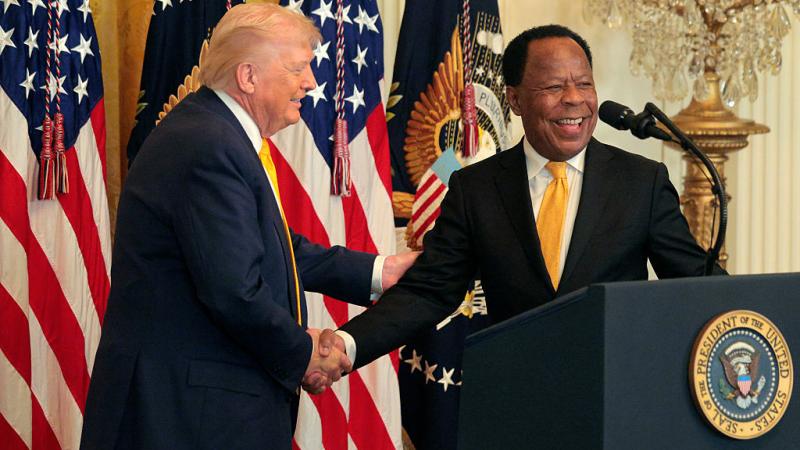
Oil prices raced back to $100 per barrel again Thursday after a brief dip earlier in the week following statements from President Donald Trump that the conflict was “ahead of schedule.”
The U.S. also announced it had destroyed several Iranian mine laying vessels that could have been used to lay explosive mines in the key Hormuz waterway.
In early trading Thursday, before U.S. markets opened, prices touched $100 per barrel before retreating slightly. That is lower than last week, when they surged as high as $120 per barrel, their highest level since 2022. Oil prices were as low as $65 per barrel as recently as Feb. 26, just before the start of the Israel and U.S. bombing of Iran.
But the battered regime in Tehran warned prices could go much higher, as high as $200 per barrel, if Israel and the U.S. do not halt their attacks. If that happened, it would easily top the all-time high for oil prices of $148 per barrel recorded during the global commodity boom in 2008 (those prices, adjusted for inflation, would be the equivalent to around $225 per barrel today).
The rally in oil prices was sparked after Iranian drones and missiles struck four cargo ships attempting passage through the Strait of Hormuz. None of the ships were sunk.
Now, reports are that the strait has been all but closed, with no ships daring to pass through the 13-mile-wide artery that under normal circumstances sees around a fifth of the world’s oil supply pass through it.
The Facts Inside Our Reporter's Notebook


Top Stories



Trending
Just the News Spotlight
Just News, No Noise