Image

Measure regulating carbon capture pipelines passes Illinois General Assembly
Legislators are concerned drinking water could be compromised if there’s a pipeline rupture.

Legislators are concerned drinking water could be compromised if there’s a pipeline rupture.
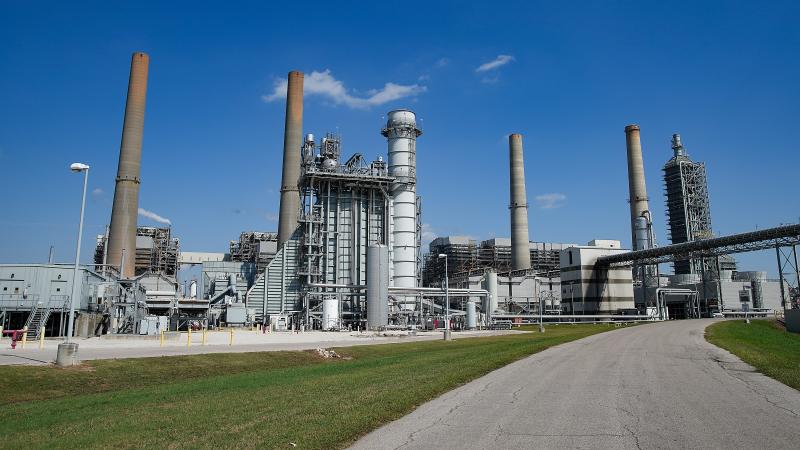
The plant never operated at more than a third of its total capacity in its 13 years since being built.
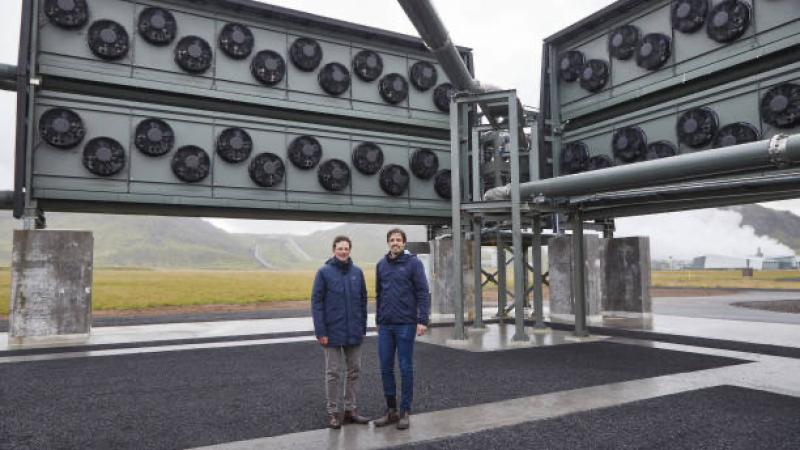
The $1 billion project was made possible by an investment from the Milton R. Young Power Station in Oliver County,
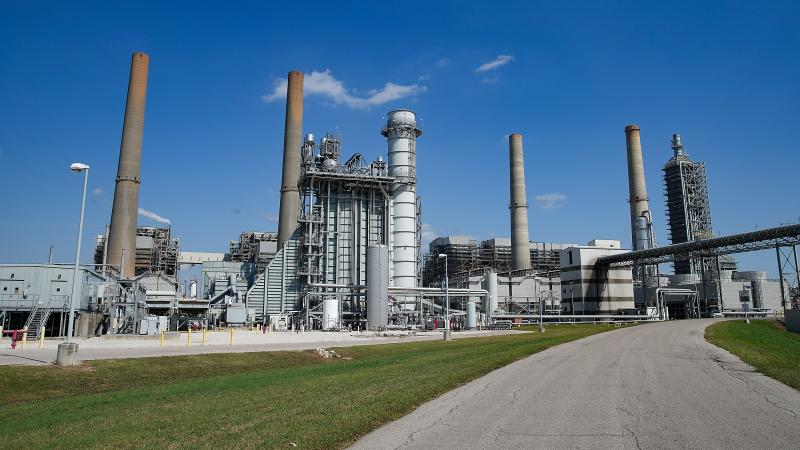
The company announced the 2,500-mile pipeline in December 2021, which includes Iowa, South Dakota, Nebraska and Minnesota. The pipeline ends in a North Dakota carbon capture facility.
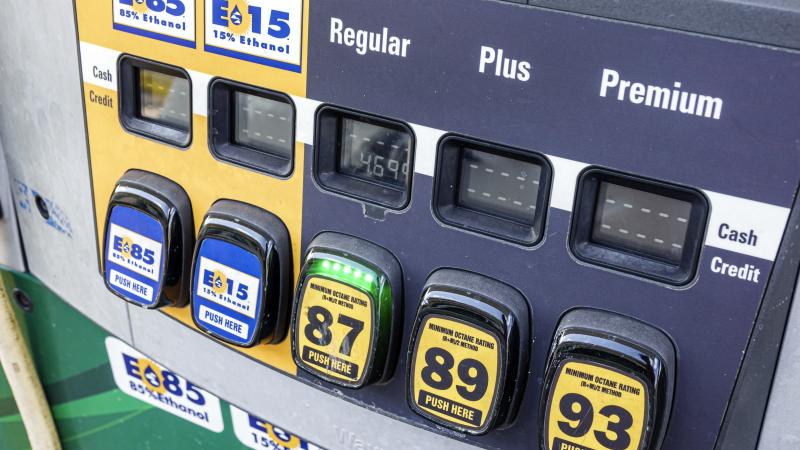
Pipeline would transport carbon from more than 30 ethanol plants to to underground injection control facilities in North Dakota.
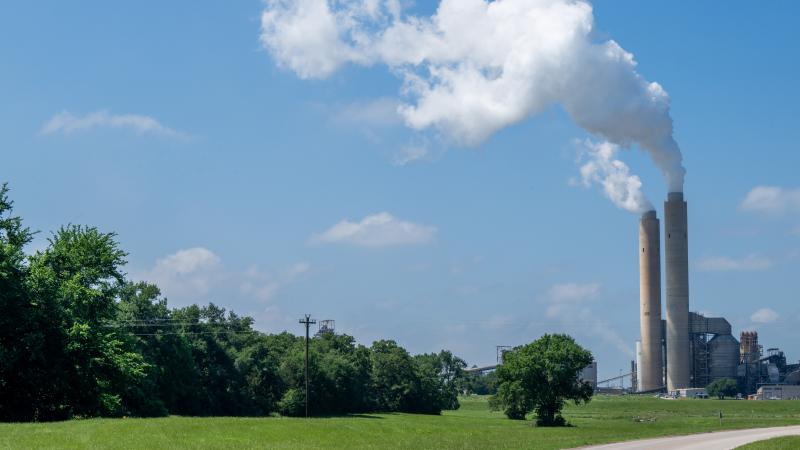
The Clean Power Plan 2.0 was supported by a finding that carbon capture technology had been "adequately demonstrated." The EPA sought and got comments from the DOE, which disputed that "demonstration." Somehow those comments never made it into the administrative record.
At the heart of that strategy is Section 45Q, a federal tax credit that provides up to $85 per metric ton of CO₂ permanently stored through carbon capture and sequestration.

House Bill 50, which creates a regulatory framework for the state to utilize geologic resources for carbon capture, utilization, and storage.
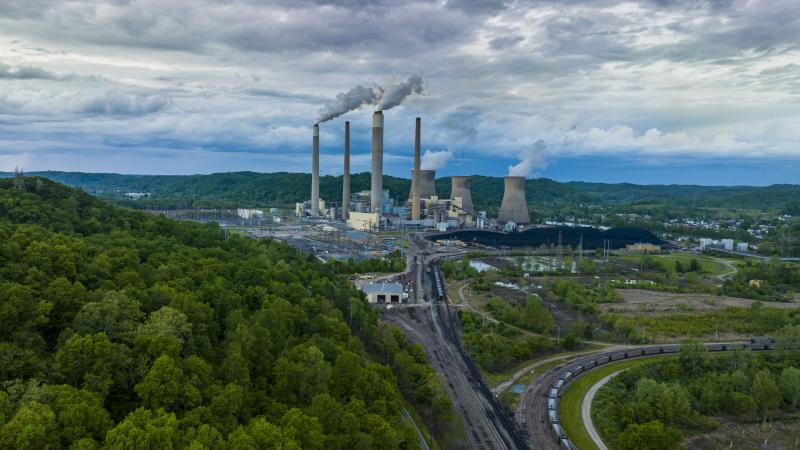
Under the EPA’s rule issued in April, coal-fired and new gas-fired power plants operating after 2039 will have to install carbon capture technologies running at 90% efficiency.

Comments from the public during the hearing showed a great concern for what is going to happen to the poor parishes. Many citizens have worries over their mineral rights being stranded from the projects at play.