Pipeline spanning five states moves forward, will capture carbon from ethanol production
Pipeline would transport carbon from more than 30 ethanol plants to to underground injection control facilities in North Dakota.
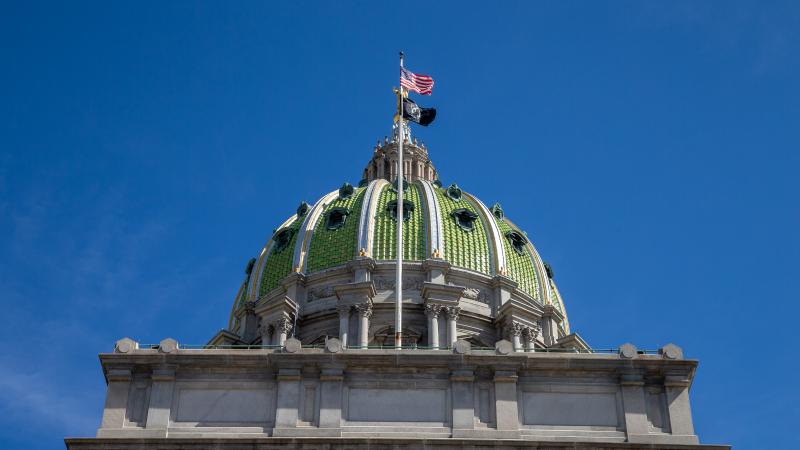
House Bill 50, which creates a regulatory framework for the state to utilize geologic resources for carbon capture, utilization, and storage.
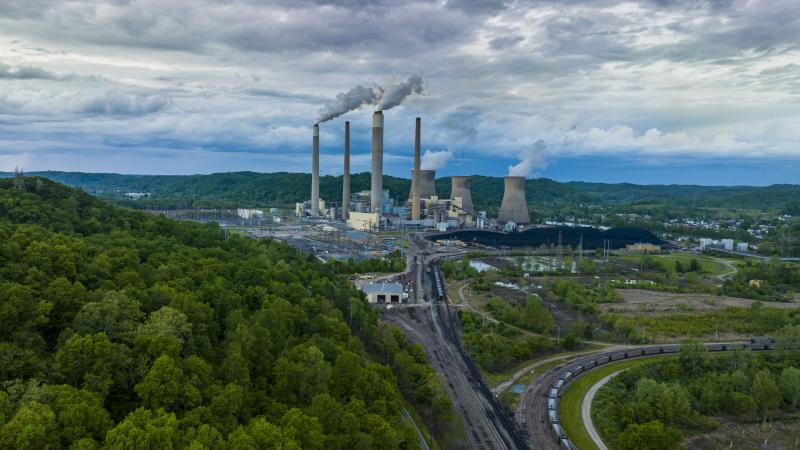
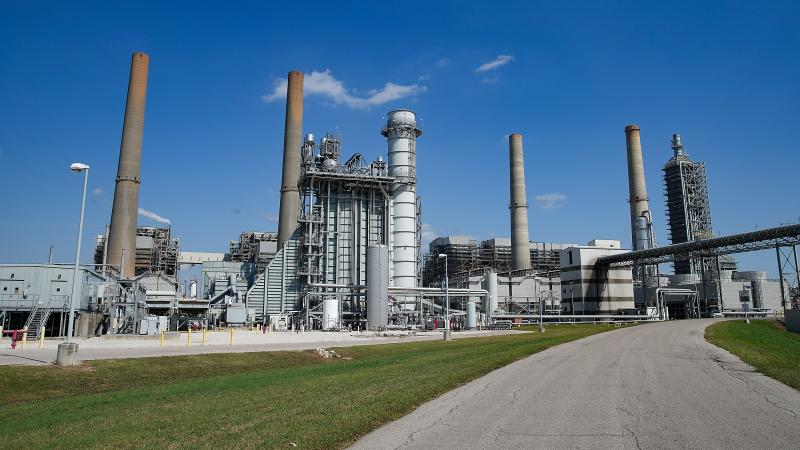
Under the EPA’s rule issued in April, coal-fired and new gas-fired power plants operating after 2039 will have to install carbon capture technologies running at 90% efficiency.
Comments from the public during the hearing showed a great concern for what is going to happen to the poor parishes. Many citizens have worries over their mineral rights being stranded from the projects at play.
Upton and the committee are concerned that while the state benefits from increased tax revenues and reduced emissions intensity, local governments face limited property tax revenues associated with sequestration sites.
In U.S., younger conservative voters, business leaders are increasingly acknowledging climate risks and are "working to reframe environmental responsibility as compatible with free-market principles."
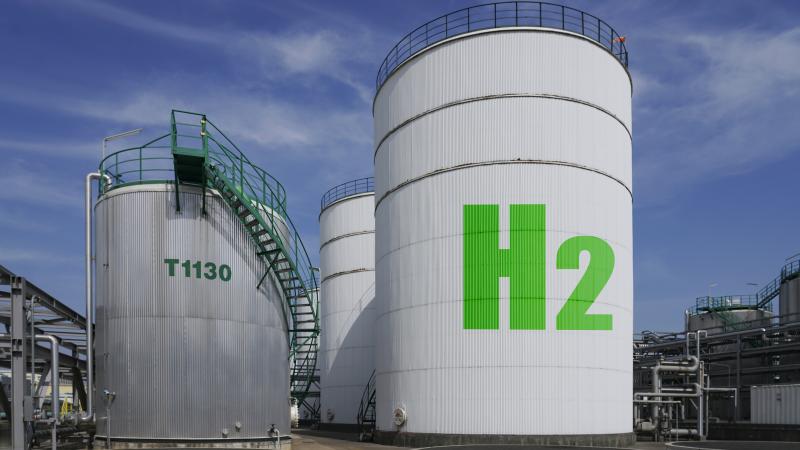
Republicans also plan to focus on hydrogen hubs and carbon capture, which many have lined up behind already. House Democratic leadership, meanwhile, is more skeptical of the hydrogen push.
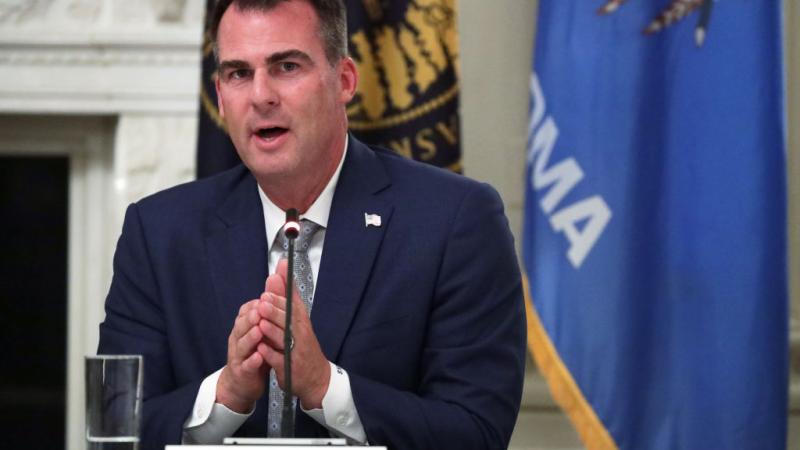
Gov. Kevin Stitt signed bill that clears the way for businesses to apply for carbon sequestration permits.
In September, the U.S. EPA announced a proposed enforcement against ADM for alleged violations of the Safe Drinking Water Act after a fluid leak.
Among its most significant energy-related provisions, the legislation mandates the resumption of quarterly onshore oil and gas lease sales under the Mineral Leasing Act, effectively repealing restrictions introduced by the Inflation Reduction Act.