EU's roughly $105B loan allows Ukraine to keep fighting Russia, changes dynamics of any peace deal
The deal is structured so that future Russian reparations will be used to repay the new loans.
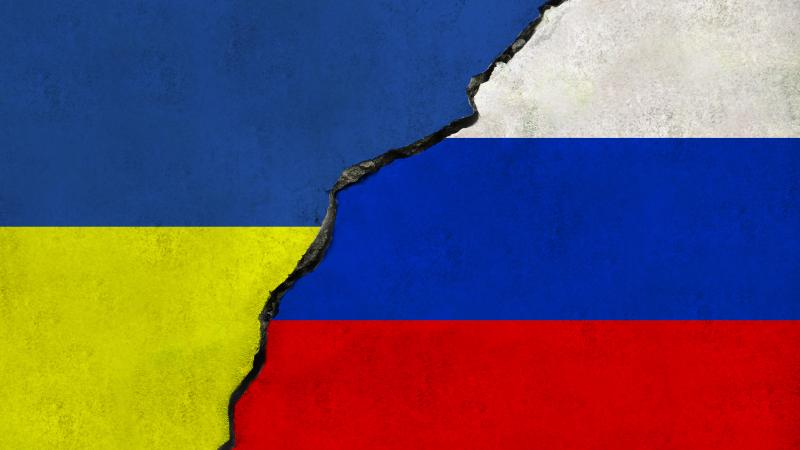
The European Union’s agreement to extend 90 billion euro (around $105 billion) in no-interest loans to Ukraine last week was not elegant or free of risk, but it could represent a significant shift in how the nearly four-year-old Russia-Ukraine war plays out.
The loans are likely to provide enough support for the Ukrainians to continue their fight for another year or more. And perhaps just as significant, they represent a rare example of European states acting in their own interests without any outsourcing to Washington.
“We have achieved a breakthrough to pave the way for a successful completion of the agreement,” Ursula von der Leyen, president of the European Commission, said after the sides agreed to the terms late last week.
The outcome, which was the result of difficult and uncertain negotiations, provides dramatic support to Ukraine’s medium-term fiscal viability. It means Kyiv can continue paying soldiers, maintaining domestic weapons production, and resist the temptation to accept an early and unfavorable settlement with Moscow.
The loan is structured so that repayment is designed to be covered by future Russian reparations or proceeds from frozen Russian assets.
The European Union and over 30 other countries signed what is known as the Council of Europe convention establishing an international claims mechanism for Ukrainian losses, a plan designed to increase pressure on Russia and reduce the possibility there could be a “normalization” of the country’s relations with Ukraine without consequences.
But the talks fell short on a central aim: directly seizing 210 billion euros (around $245 billion) in frozen Russian central bank assets being held in Europe and using that money to outright finance Ukraine’s war effort. Among the countries blocking that part of the plan were Italy and Belgium, who raised concerns over financial stability and worries about the legality of the seizure of Russian cash.
The concerns from Rome and Brussels are not frivolous. But European commentators said it was difficult to question the legality of the asset freeze against a Russian regime that has repeatedly violated international law since its war with Ukraine began.
Instead, the EU plan provides the complicated strategy of having future Russian reparations used to repay the new loans. It’s a strategy that hasn’t been tried before on this scale. European leaders say it will assure Ukraine does not run out of money and help counter Russian claims that Ukraine is in danger of losing the war and should strike a diplomatic deal while it can.
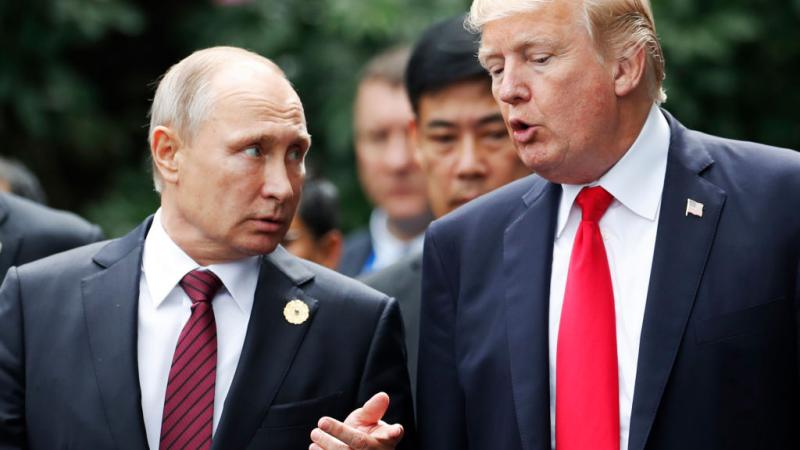
But Russia does not appear ready to back down. Russian leader Vladimir Putin has repeatedly reaffirmed his claim to what he called Russia's “historic lands,” saying that all of Ukraine must ultimately be subdued.
“We have always said that Russians and Ukrainians are one people,” he has said. “In this sense, the whole of Ukraine is ours.”
More recently, Moscow mocked Europe’s disunity on what to do with its frozen assets. “Voices of reason prevailed,” a Russian spokesman said.
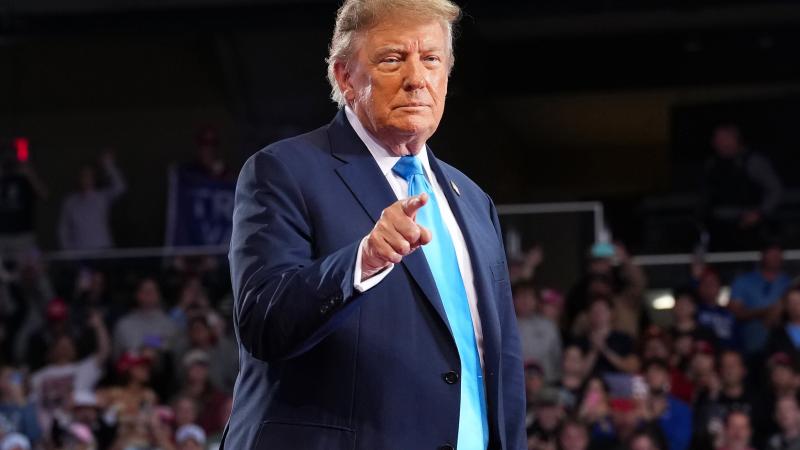
Still, European media reports predicted that the EU’s move would force a recalibration both in Moscow and in Washington, where U.S. President Donald Trump has repeatedly called for a negotiated settlement and has shown little inclination to counter Russia’s moves as long as direct U.S. interests are not threatened.
The Facts Inside Our Reporter's Notebook
Links
- 90 billion euro (around $105 billion) in no-interest loans to Ukraine
- We have achieved a breakthrough
- a ânormalizationâ of the countryâs relations with Ukraine without consequences
- blocking that part of the plan were Italy and Belgium
- repeatedly violated international law
- Russians and Ukrainians are one people
- Voices of reason prevailed
- little inclination to counter Russiaâs moves


Top Stories

Trending
Just the News Spotlight
Just News, No Noise