Human rights group warns that hangings is message that bombarding Iran won't lead to regime change
Iran watchers fear the hangings could be the start of a new round of deadly crackdowns as the Iran conflict intensifies
Iran's public hanging this week of teenage wrestler Saleh Mohammadi has international observers warning that the country's leaders are making drastically clear any attempt by Iranians to overthrow them amid the U.S.-Israeli air strikes will have deadly consequences – as did a recent uprising.
Mohammadi was among three men hanged Thursday after being convicted of killing two police officers during a wave of anti-government protests in December and January. The official charge against the men was “moharebeh” – waging war against God.
Human rights groups accused Iran of fast-tracking the trials and forcing the men to confess. Such groups have long accused Iran of using torture and threats against family members in order to extract confessions from arrested individuals.
The groups also fear more hangings are to come. And Mahmoud Amiry-Moghaddam, of the Oslo-based Iran Human Rights organization, warns that authorities in Iran are trying "to frighten the public" and keep them in line in order to remain in power, according to a report Friday by Radio Free Europe.
The hangings are believed to be the first round of public executions since Iran’s national protests that preceded the bombardment on Iran starting Feb. 28. The hangings attracted new levels of attention because Mohammadi, aged 19, was a decorated wrestler on the Iranian national team and had been seen as a rising star. Unofficial death tolls in the December-January uprising range from roughly 3,000 to 36,000.
In addition to Mohammadi, the hanged men were identified as Saeed Davoudi and Mehdi Ghasemi.
The hangings came despite a vow not to use such methods from Iranian Minister of Foreign Affairs Abbas Araghchi, who said in a Fox News interview in January that Iran had “no plan at all for hanging” dissidents and that despite widespread protests at the time, “hanging is out of the question.”
The death sentences were hardly unusual in Iran, which executed more than 2,000 people last year, according to the Abdorrahman Boroumand Center for Human Rights, an Iran watchdog group. The organization said that was the highest one-year total since 1989.
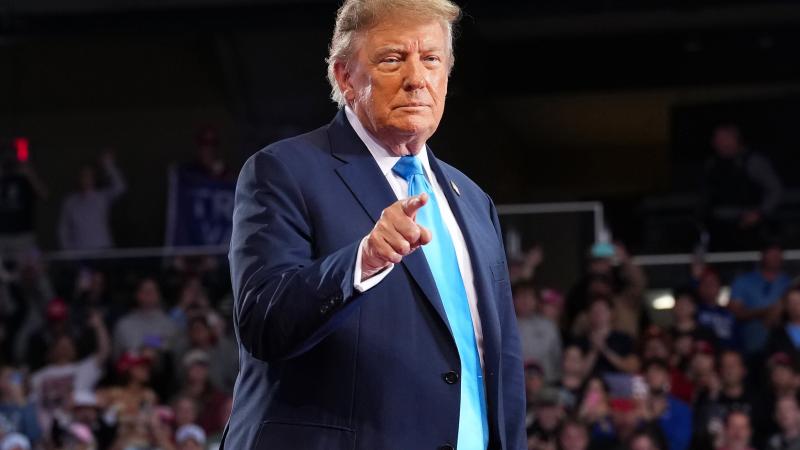
While the Trump administration has said the air strikes are primarily intended to stop Iran from developing a nuclear weapon and to destroy Tehran's military capabilities, he also told the Iranian people, "When we are finished, take over your government. It will be yours to take."
Global reaction to the hangings was swift and deeply critical.
In the U.K., The Guardian said the hangings sparked “renewed fear that Iran is targeting athletes to crush dissent.” In Italy, Corriere della Sera said the executions showed “the regime refuses to loosen its grip” on its citizens. Le Monde in France said the hangings were designed as “a warning to critics within Iran.”
Maryam Rajavi, president-elect of the National Council of Resistance of Iran, a leading Iranian dissident group, predicted that the killings “only fuel the flame of public anger.”
Meanwhile, Fox News quoted global athletes critical of the hangings, including U.S. Gold Medal wrestler Brandon Slay, who said it was “heartbreaking to witness a terror regime execute a teenage wrestler,” and Tyler Clary, the U.S. Gold Medal winning swimmer, said, “the execution of a wrestler after what appears to be a sham process is a brutal reminder of what the [Iranian] regime stands for.”
The executions came as the combat operations against Iran approach the three-week mark. The conflict has widened to include the bombing death of Ali Khamenei, Iran’s Supreme Leader; an Israeli invasion of Lebanon; Iran’s closure of the Strait of Hormuz shipping lanes; and Iran drone attacks on Israel and at least eight other countries in the Gulf region.
The latest developments also cast more doubt on the participation of Iran’s national soccer team in the World Cup, which will be hosted in the U.S., Mexico, and Canada in June and July. There was speculation the U.S. could move to block Iran from participating, and, more recently, Iran said it would refuse to play games on U.S. soil, though it still planned to play in the tournament. Eleven of the 16 cities slated to host World Cup games are in the U.S., and all three of Iran’s opening-round games were slated to be played in the U.S.
The Facts Inside Our Reporter's Notebook
Links
- public hanging of teenage wrestler Saleh Mohammadi
- waging war against God
- fast-tracking the trials and forcing the men to confess
- ong accused Iran of using torture and threats against family members
- the first round of public executions
- no plan at all for hanging
- executed more than 2,000 people last year
- swift and deeply critical
- targeting athletes to crush dissent
- refuses to loosen its grip
- a warning to critics within Iran
- fuel the flame of public anger
- Fox News quoted global athletes critical of the hangings
- bombing death of Ali Khamenei
- Israeli invasion of Lebanon
- closure of the Strait of Hormuz shipping lanes
- t least eight other countries
- refuse to play games on U.S. soil

Top Stories

Trending
Just the News Spotlight
Just News, No Noise