Related Articles
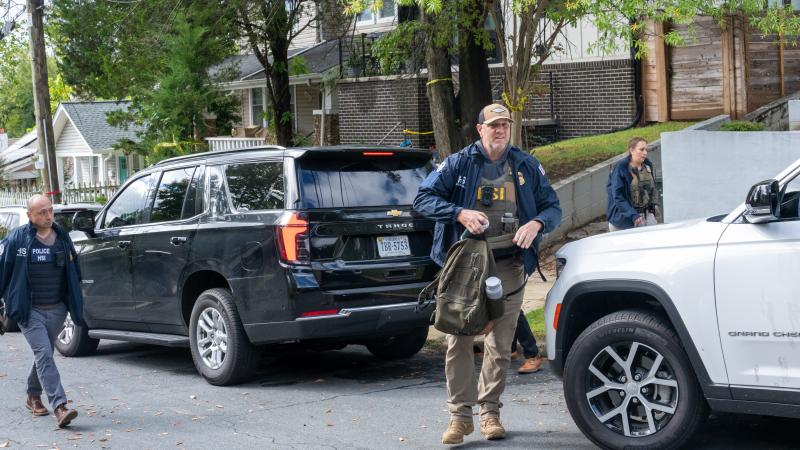
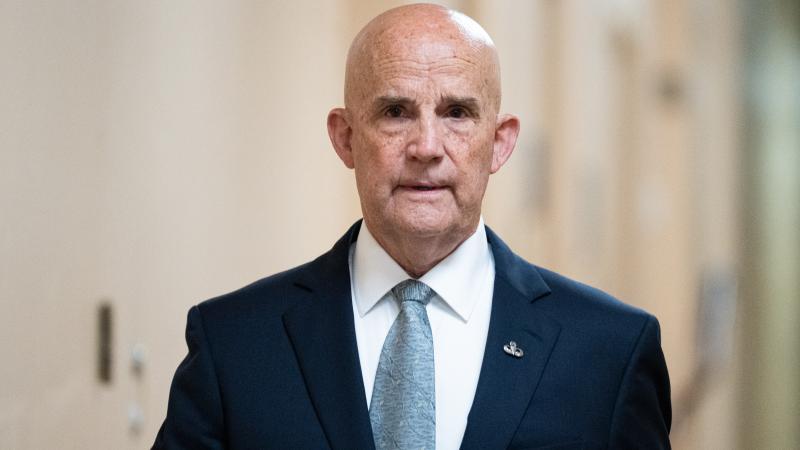

Gabriel Olivier, an evangelical Christian who preaches in public spaces, was arrested in 2021 in Brandon, Mississippi.
The Supreme Court has ruled that a Mississippi street preacher can proceed with his federal lawsuit challenging a city ordinance that restricts protests and demonstrations near a public amphitheater, despite his prior conviction for violating the law.
The 9-0 decision was announced Friday.
Gabriel Olivier, an evangelical Christian who preaches in public spaces, was arrested in 2021 in Brandon, Mississippi, for sharing his religious views outside the city’s amphitheater during a scheduled event. The local ordinance requires groups engaging in “protests” or “demonstrations” to remain in designated “protest areas” near such venues.
Olivier pleaded no contest, paid a fine, received probation, and served no jail time. He did not appeal the conviction.
Seeking to preach there again without fear of arrest, Olivier filed a lawsuit under 42 U.S.C. §1983 in federal court, alleging the ordinance violates his First Amendment free speech rights. He requested only prospective relief: a court declaration that the law is unconstitutional and an injunction barring future enforcement against him and others.
Lower courts dismissed the case, citing the Supreme Court’s 1994 precedent in Heck v. Humphrey, which generally prevents §1983 claims that would imply the invalidity of a prior conviction unless that conviction has been overturned or otherwise favorably resolved.
The Trump administration actually opposed the full relief Olivier sought, asking SCOTUS to reject Olivier's request to confirm that Heck does not block §1983 civil rights claims by plaintiffs like him who were never in custody, claiming that would open Pandora's Box.
Writing for the full Court, Justice Elena Kagan reversed the lower court’s ruling. The opinion held that Heck does not apply here because Olivier seeks purely forward-looking relief and does not seek to undo his past conviction, secure release, or obtain damages.
Heck’s purpose is to prevent improper collateral attacks on criminal judgments through civil suits, but prospective injunctions pose no such risk and serve §1983’s goal of remedying ongoing constitutional violations.
The ruling resolves a circuit split and preserves federal court access for constitutional challenges focused on preventing future enforcement of allegedly unlawful laws. The case now returns to lower courts to consider the merits of Olivier's First Amendment claim.