Florida ends ABA’s role as sole accrediting authority for law schools
State officials argue the reform promotes competition, lowers costs for students and gives law schools greater flexibility to innovate outside the ABA’s centralized standards.
Florida has become the latest state to end the American Bar Association’s role as the exclusive accrediting body for law schools.
Under the change, announced this week, Florida will allow graduates of law schools accredited by other recognized entities to sit for the state bar exam, rather than limiting eligibility to ABA-accredited institutions.
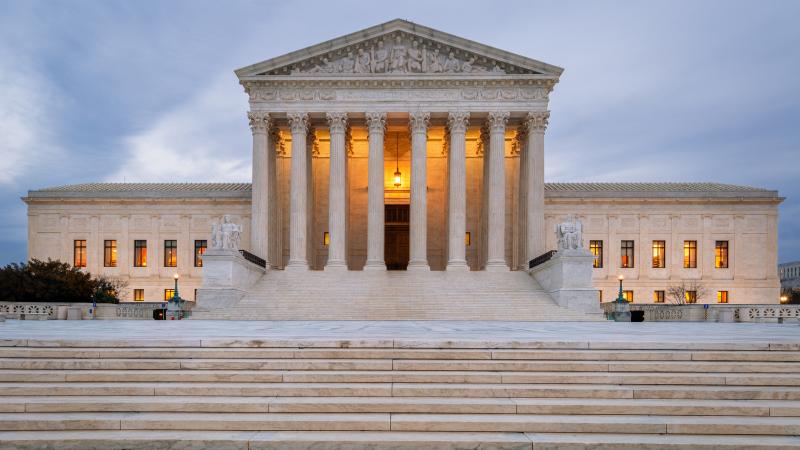
In an order issued by the Supreme Court of Florida, the court explained that it convened a work group in March 2025 to study the issue. The work group submitted its final report in October, and the court voted to adopt the recommended rule changes at its December conference.
State officials argue the reform promotes competition, lowers costs for students and gives law schools greater flexibility to innovate outside the ABA’s centralized standards.
Critics, including the ABA, warn that loosening accreditation requirements could undermine educational quality and professional standards. Florida officials, however, maintain that bar exam passage rates and state oversight provide sufficient safeguards, and say the reform aligns with broader efforts to modernize legal education and address attorney shortages.
The Facts Inside Our Reporter's Notebook
Links


Top Stories





Trending
Just the News Spotlight
Just News, No Noise