Justice Samuel Alito warns birthright decision is a 'mistake’ in Supreme Court dissent
Alito warned in his dissent the ruling could have “grotesque results,” including encouraging “birth tourism,” and have national security ramifications.
Supreme Court Justice Samuel Alito warned Tuesday in a dissenting opinion that the high court's majority decision to uphold birthright citizenship under the 14th Amendment is a "mistake that will seriously affect the country’s future."
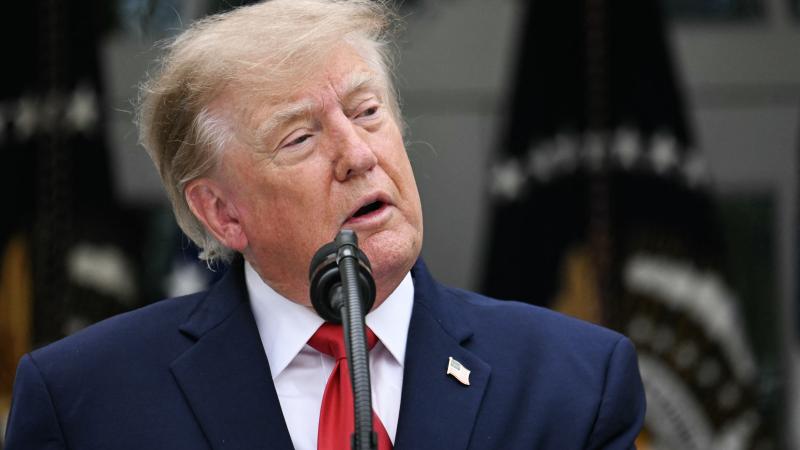
The Supreme Court decided in a 6-3 ruling to uphold birthright citizenship and strike down President Donald Trump's 2025 executive order ordering federal agencies to interpret the 14th Amendment as not granting birthright citizenship to children of illegal migrants.
Alito warned in his dissent the ruling could have “grotesque results,” including encouraging “birth tourism,” and could have national security ramifications.
“If the Fourteenth Amendment required these results, the country would have to live with them or amend the Constitution,” he wrote. “But the Fourteenth Amendment does not include the rule the Court now imposes on the country. In my judgment, the Court has made a mistake that will seriously affect the country’s future."
Alito accused the majority opinion of relying “on precedent that glosses the text” of the 14th Amendment’s citizenship clause and argued the ruling failed to consider issues of dual citizenship because of split loyalties to two separate jurisdictions.
“A great many persons who are born here to illegal immigrant parents fail this test because at birth they are automatically made nationals of their parents’ native country and, as a result, incur duties to that country,” Alito wrote. “This means that they are ‘subject to a foreign power’ and are thus not ‘subject to the jurisdiction’ of the United States within the meaning of the Fourteenth Amendment.”
The justice also warned that the ruling could boost birth tourism, which is a tactic by foreign nationals to secure citizenship for their children by giving birth in the United States.
“Careful analysis of the text of the Fourteenth Amendment and the process that led to its adoption shows that it does not degrade the concept of United States citizenship in this way,” Alito wrote. “Instead, the Fourteenth Amendment confers citizenship on only those children who, at birth, owe allegiance solely to this country.”
The ruling did not render laws outlawing birth tourism unconstitutional, nor did it prohibit the prosecution of persons attempting to secure birthright citizenship for their children through birth tourism.
The Justice Department has warned that it will aggressively prosecute persons suspected of engaging in birth tourism schemes.
Misty Severi is a news reporter for Just The News. You can follow her on X for more coverage.
The Facts Inside Our Reporter's Notebook


Top Stories


Trending
Just the News Spotlight
Just News, No Noise