Blue states with climate or net-zero policies have higher energy rates, report finds
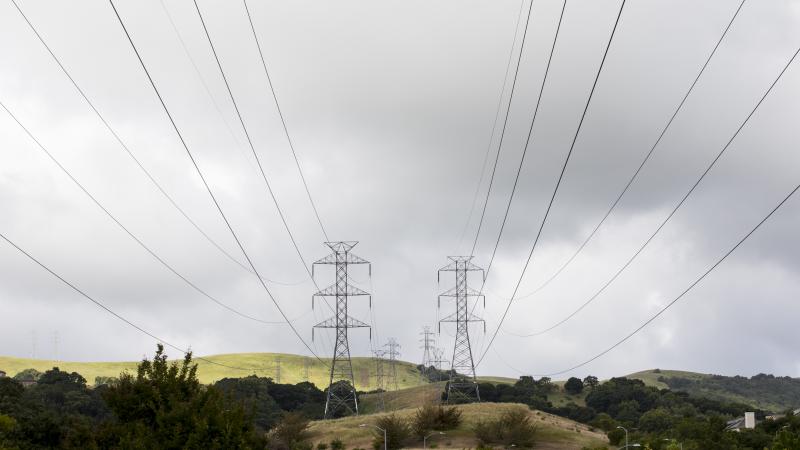
“Blue States, High Rates” study analyzes climate and net-zero policies in each state and shows that the common factor when it comes to high electricity rates is whether a state has these policies in place. And those are primarily blue states.
Polls consistently show that affordability is a top concern for voters, and that includes the cost of their utility bills. An Ipsos poll released in May showed that 79% of respondents would support a political candidate who promises to lower their utility bill. The poll also found that 58% of American bill payers don’t understand what drives their utility costs.
Always On Energy Research and the Institute for Energy Research have been attempting to analyze the relationship between state policies and electricity rates. Last December, they completed an analysis of electricity rates and found that residents of blue states see higher electricity bills than those of red states.
That analysis did a deep dive into five states to illustrate that the common factor between high-electricity-rate blue states was that they tended to adopt stricter renewable energy requirements and climate policies.
They’ve now expanded that analysis to include all 50 states and Washington, D.C. For each state, the analysis looked at various net-zero and climate policies, including renewable portfolio standards, which require utilities to source a minimum percentage of electricity from renewable sources. The researchers looked at carbon pricing, which charges utilities for the amount of emissions they produce. The analysis also looked at natural gas infrastructure, data center consumer protection laws, net metering and utility net-zero pledges.
"While there are many factors that influence electricity rates, the one constant we see is that states that have pursued climate or net-zero policies above all else have some of the highest rates in the country,” Tom Pyle, president of the Institute for Energy Research, said in a statement.
Renewable generation versus policy
At the highest level, the analysis found that 86% of states with electricity prices above the national average, based on data from the U.S. Energy Information Administration, voted for the Democratic presidential nominee in both the 2020 and 2024 elections, while 90% of the ten cheapest states voted Republican in both elections.
Amy Cooke, the President and CEO of Always On Energy Research, said in a statement that a good reason for this difference can be seen in what’s happening with electricity rates in California and New York.
“California mandates 100% carbon-free electricity by 2045 and operates a cap-and-trade program, while its average electricity price has climbed from 16.6 to 27.6 cents per kilowatt-hour since 2018. New York requires a zero-emissions grid by 2040, and its average price has risen from 14.8 to 21.6 cents per kilowatt-hour. ‘Blue States, High Rates’ captures what we’ve been saying for years: bad energy policy leads to higher electricity rates,” Cooke said.
Alex Stevens, manager of policy and communications for the Institute for Energy Research, said in an interview with Just the News in July about the limited release of the expanded analysis that the report functions as a resource for voters. With the midterms approaching, voters will start looking closer at the relationship between state policies and their utility bills, Stevens said.
On the website, users can click on each state and see a breakdown of the policy areas explored in the analysis. North Dakota is the state ranked with the lowest average electricity rates at $0.082 per kilowatt-hour. While usage rates vary widely across regions of the country, the average American household consumes about 899 kilowatt hours per month.
North Dakota generates 40% of the total electricity it produces from renewable sources, and renewable energy proponents often point to that fact to suggest that renewable energy drives down electricity prices.
However, electricity is exported and imported across states, and there are differences between sources of electricity generation and consumption. North Dakota consumers get 83.4% of the electricity from coal and natural gas.
Zooming in on policies
The analysis looks at the policies that have a much larger influence on electricity rates. North Dakota has no binding renewable portfolio standard, no carbon pricing or cap-and-trade program, no data consumer protection, an extensive amount of natural gas infrastructure, and no utility net-zero pledges.
The highest electricity rates are in Hawaii, which is partly owing to its remote location. It depends heavily on petroleum for its electricity generation, which is imported at a premium. The state then exacerbates those high costs with climate policies. Hawaii also has a renewable portfolio standard, limited natural gas infrastructure, and utility net-zero pledges.
California clocks in with the second-highest electricity rates, followed by Rhode Island, which has a renewable portfolio standard, net metering, carbon pricing, policies hostile to natural gas pipelines and utility net-zero pledges.
According to the analysis, if voters want to lower their utility bills, they should look to candidates who are less inclined to support climate policies.
“Every decision made at the local and state level carries real financial consequences for that state’s residents. Understanding the connection between state policy and electricity prices helps provide greater transparency and accountability and empowers ratepayers to push back against bad energy policies,” Pyle said.
The Facts Inside Our Reporter's Notebook



Top Stories




Trending
Just the News Spotlight
Just News, No Noise