California ‘running out of fuel’ as imports dry up, Trump needs to act to prevent crisis: experts
Trump to rescue California? Professors estimate that California’s inventories are as much as 30% below normal because of the state's climate policies. California faces severe supply disruptions to diesel, jet fuel and gasoline. This not only impacts California, the professors argue, it poses a grave national security risk to the country.
Crushed by the state’s aggressive climate policies, California’s petroleum industry has been in decline for years. Its production levels dropped to a fraction of what they once were, refineries have closed, and Chevron moved its headquarters to Texas.
Despite having huge reserves of oil it could tap into, regulations make utilizing that resource infeasible. California has become increasingly reliant on imports to satisfy its fuel needs. The war in Iran is driving up gasoline, diesel and jet fuel costs in California as its imports become harder to find.
While much of the country would be happy to let California suffer the consequences of its energy policies, two professors are warning that the military and economic importance of the state make a growing energy crisis in the Golden State a matter of national concern. They are asking the federal government to get involved.
Under the Defense Production Act, President Donald Trump has the authority to pass executive orders that would prevent California from dragging the rest of the United States down with it, they explain in a new paper. They propose several executive orders that would protect national interests and allow the federal government to take a greater role in California’s energy.
Running out of fuel
Dr. Michael Mische, professor of management at the University of Southern California, and Dr. James Rector, professor of engineering at the University of California Berkeley, explain in a paper published Wednesday that California’s combined gasoline and crude inventories stood at 9-10 days supply, which is as much as 20% below historical norms.
The professors, who wrote the paper with graduate assistant Joseph Silvi, adjusted the inventory estimates for the effects of reduced imports as a result of the ongoing conflict in Iran. They estimate that California’s inventories are as much as 30% below normal.
“Frankly, we're running out of fuel as we speak,” Mische said on the “Energy Impacts Podcast” Thursday.
This means that starting within a month, California will face severe supply shortages of crude oil, jet fuel and gasoline. The shortages may force California drivers to pay as much as $15 per gallon for gasoline, and it will impact air travel.
These problems will extend far beyond the state. Nevada gets about 80% of its gasoline from California, and Arizona gets nearly half of its supply from the state. California is also home to a dozen ports through which a large portion of U.S. exports and imports are transferred, and the state is home to key West Coast military bases. It’s also nearly 15% of the U.S. economy. Without fuel, operations at California’s businesses and industries, and these important ports and bases, will be severely impacted.
While the war in Iran has raised the risk level from stressed to dangerous, Mische explained that the end of the conflict won’t immediately avert the crisis. If the exports of petroleum began to flow normally today, it would be a couple of months before the shortfalls would be addressed. Tankers would need to ship the products across the oceans. Refineries would have to be restarted, and back orders would need to be filled.
“You’re two months out. It’s crazy,” Mische said.
State lawmakers prioritize climate
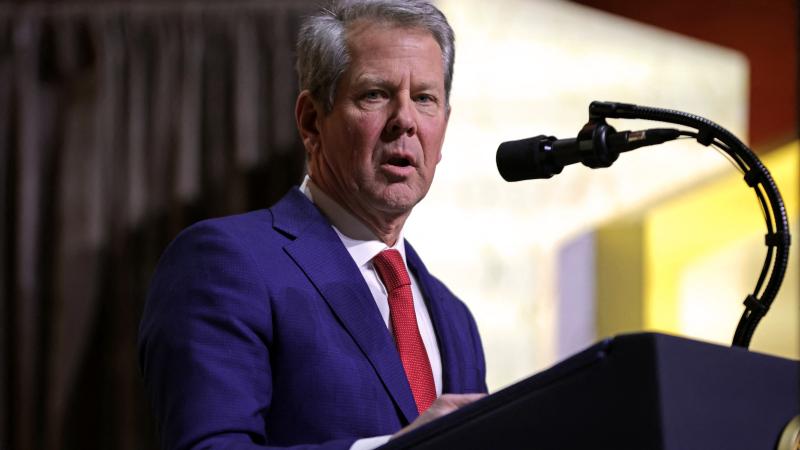
California’s lawmakers and Gov. Gavin Newsom have been unwilling to change direction in the state’s climate policies. On Thursday, Californians were paying $5.86 per gallon on average, according to AAA, but Mische said on the podcast that lawmakers aren’t interested in reducing the pressure on consumers.
“They want this. They want to force people to adopt EVs,” Mische said.
California has a unique blend of gasoline called the California Reformulated Gasoline Blendstock for Oxygenate Blending (CARBOB), and it’s only produced by a handful of refineries, mostly in California. This drives up gas prices in the state, on top of its high taxes.
Among the proposals Mische and his colleagues offer in their paper is that the state could temporarily reduce its low-carbon fuel standards, allowing gasoline used in the rest of the U.S. to be used in California. Without pipelines coming into the state, the move wouldn’t result in additional gasoline at the pump until May, and it would need to be moved by rail or hundreds of trucks.
In March, Mische testified in support of a bill that would have eased some of California’s high gas taxes and rolled back the low-carbon fuel standard. It would take about $1.08 per gallon off the price of gasoline in the state, Mische said. The bill didn’t even make it out of committee.
Gas taxes needed for climate programs
“I was stunned. As an educator, I was stunned because not one Democrat — not one Democrat — on that committee, including the chairwoman, asked me a question about any of that stuff — not one question. Nobody was interested in bringing the price of gas down,” Mische said.
Mische said that Senator Catherine Blakespear, the Democratic chair of the Senate Environmental Quality Committee, was concerned that the rollback of taxes would deprive the state of funding needed for climate programs. Much of that funding goes to fund California’s high-speed rail project — often referred to as California’s “rail to nowhere” — which has cost the state billions without laying any track. The funding also supports sustainable housing.
“Nobody knows what the hell sustainable housing is, but that's where the money goes,” Mische said.
Refusing to ask questions or consider Mische’s points was more polite treatment than he’s received in the past. Mische was quoted in the media last year warning Newsom that the state’s energy policies would drive up gasoline prices. In response, Newsom’s office falsely claimed the professor was “bankrolled by Saudi Arabia.”
Mische previously advised the Middle Eastern country on diversifying its economy away from fossil fuels, but he’s never worked for a Saudi oil company or refinery. Mische has written analyses that call for increasing in-state oil production and refining, which would reduce California’s reliance on foreign imports, including those from Saudi Arabia.
Proposal for federal action
With California facing the consequences of its energy policies and yet remaining firmly committed to them, the researchers say that Trump will need to step in. The Defense Production Act grants the president a wide range of authority to influence the domestic industrial base in the interest of national security. In March, the Department of Justice issued a legal opinion arguing that, under the Defense Production Act, the federal government could supersede state law.
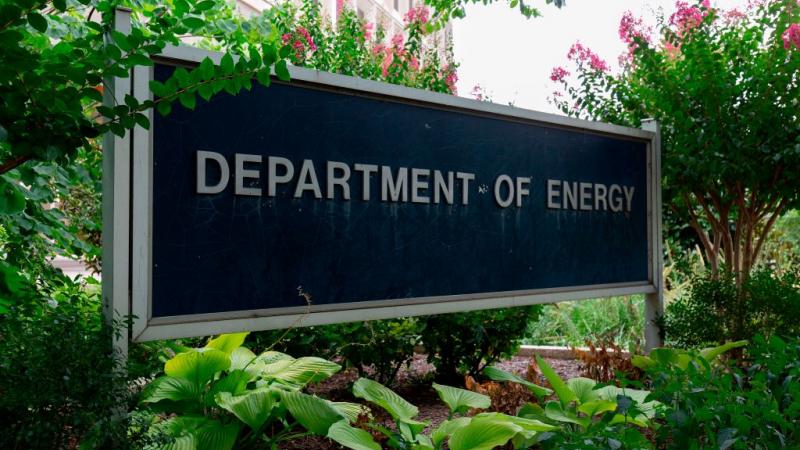
Trump last month signed an executive order amending his earlier order declaring a national energy emergency to include the Secretary of Energy in the delegation of presidential authority to exercise the emergency. Energy Secretary Chris Wright used that authority to resume operations at the offshore and onshore operations at the Santa Ynez Unit owned by Sable Offshore Corp. It’s now pumping 50,000 barrels of oil per day into California.
Determined to prevent any reduction in gasoline prices, California Attorney General Rob Bonta has filed two lawsuits so far to stop that oil from reaching consumers.
Mische explained on the podcast that there have been legal challenges in the past to actions other presidents took under the Defense Production Act, and those challenges weren’t successful.
Stressing that he’s not a lawyer, Mische said his reading of Bonta’s latest lawsuit against the restarting of Sable talks mostly about environmental issues and electric vehicles. It doesn’t address the national security issues under the Defense Production Act that granted the president the authority to act. He doesn’t think Bonta’s legal actions will be successful.
The executive orders that Mische and his colleagues have proposed would allow more offshore oil production, remove the low-carbon fuel standard, revoke state and local oil and gas development restrictions, federalize permitting of most of California’s oil and gas infrastructure, and direct Wright to enter into a lease and operating agreement to get the Valero refinery, which shut down operations in April.
Mische says the president will act, since Newsom can't
On the podcast, Mische said that Trump and his cabinet are quite well aware of the risks to the nation that California’s energy policies pose. He said the administration is waiting to see how the legal challenges to the use of the Defense Production Act shake out before moving forward with any further actions involving the act.
“Since the governor can't fix it, is incapable of fixing it — maybe he's not smart enough to fix it, President Trump will fix it. And I have full faith and confidence in that,” Mische said.
The Facts Inside Our Reporter's Notebook
Documents
Links
- decline for years
- Michael Mische
- James Rector
- Joseph Silvi
- Energy Impacts Podcast
- large portion of U.S. exports and imports
- according to AAA
- support of a bill
- rail to nowhere
- bankrolled by Saudi Arabia
- written analyses
- Defense Production Act
- issued a legal opinion
- signed an executive order
- Santa Ynez Unit owned by Sable Offshore Corp
- filed two
- lawsuits so far
- shut down operations in April

Top Stories


Trending
Just the News Spotlight
Just News, No Noise