Climate-advocacy materials removed from federal judicial manual, but issues remain, experts say
The Federal Judiciary Center removed a chapter on climate science from a manual given to thousands of judges, which a coalition of 22 attorney generals said was biasing judges in favor of plaintiffs suing oil companies for climate change. Despite the win, experts say biased material remains in other parts of the manual.
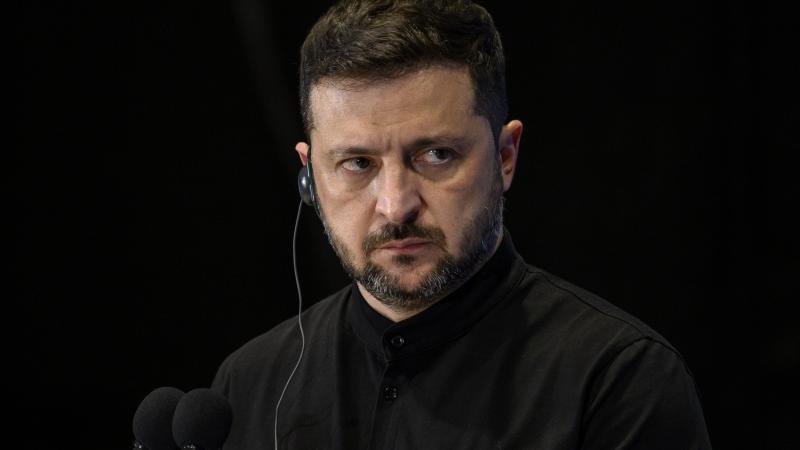
West Virginia Attorney General JB McCuskey, along with 21 other state attorneys general, managed to get the Federal Judiciary Center to respond to their complaint that a science manual used by thousands of judges is improperly influencing judges in climate cases toward the plaintiffs filing lawsuits against energy companies.
On Friday, the FJC agreed to “omit” the chapter, according to a letter sent to McCuskey by Judge Robin Rosenberg, director of the center. The brief letter contains no explanation for the decision, and it’s still not clear exactly how the material, much of which references works by advocates of climate litigation, ended up in the manual. Likewise, citations to these activists’ work remain in the manual in other sections.
Anti-fossil fuel coalitions, mass-tort lawyers at work
The manual is published in partnership with the National Academies of Science, which has ties to anti-fossil fuel groups developing science intended to prove oil companies are partly responsible for climate-related natural disasters.
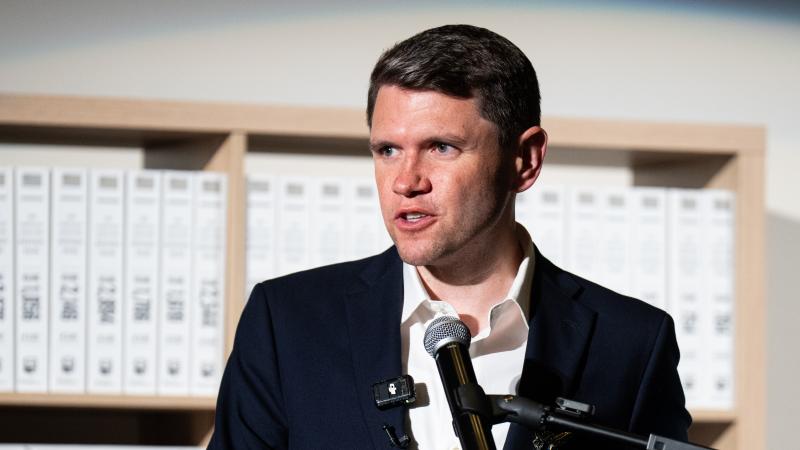
Jason Isaac, CEO of the American Energy Institute, told Just the News that the withdrawal of the chapter was welcome news, but these problems remain. “This is just the first step. So, it’s a small victory, but the battle is not over yet,” Isaac said.
In his post on X sharing Rosenberg’s letter, McCuskey called the decision to remove the chapter a “win for impartiality in our judiciary” and acknowledged the efforts of the other attorneys general who signed onto the letters to the FJC and congressional committees.
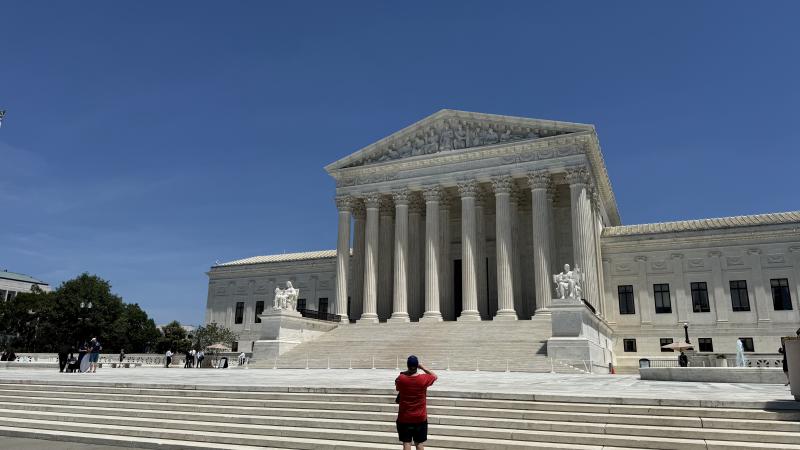
In December, the Federal Judiciary Center, in partnership with the National Academies of Science, published the fourth edition of the “Reference Manual on Scientific Evidence.” The FJC provides the manual to over 3,000 judges, and it’s been cited in over 1,700 opinions. The Supreme Court has also relied upon the manual multiple times as an authority to cite in explaining principles in science and math.
The update was the first in 15 years, and it included a chapter on climate science, which contained the material that concerned McCuskey and the other 21 state attorneys general. They wrote to the FJC and the House and Senate Judiciary Committees, asking them to investigate how the manual was improperly influencing judges who may preside over any of the dozens of climate cases winding their way through the courts.
The chapter referenced works by people who advocate for litigation against oil and gas companies. It also cited works by an attorney who is an attorney for Honolulu in its ongoing litigation against energy companies, seeking damages it alleges the companies have caused. That same attorney is also of counsel for Sher Edling, a firm that’s representing many plaintiffs in climate lawsuits.
Potentially biased material remains
Isaac said that Rosenberg’s letter states that the chapter was omitted, as opposed to stating it was rescinded or removed. While the version on the FJC website notes that the “Reference Guide to Climate Science” was omitted on Feb. 6, 2026, and has been removed, the chapter remains in the version on the National Academies of Science website.
A key component of the climate litigation campaign is the argument that oil companies knew about the risks of climate change for decades but attempted to deceive the public about it. This is largely based on the fact that researchers at oil companies, like those in the public, were aware that carbon dioxide could increase temperatures.
However, as with all research on the topic, there was considerable debate over the nature and degree of that risk, a debate that continues today throughout the scientific community. Climate activists and plaintiffs in climate cases use these internal debates to suggest that the companies were trying to deceive people about the risk. The manual contains statements in support of the activists’ position.
“Note that public perception of the certainty of a scientific concept or hypothesis may differ from the actual stage of consensus building within the scientific community. This sometimes occurs as a result of strategic manipulation from stakeholders who stand to be harmed if the public were to understand the true state of scientific consensus surrounding the hypothesis, as has occurred with, for example, the health effects of tobacco, ozone depletion, and climate change,” the manual states.
This statement cites “The New Climate War: The Fight to Take Back our Planet,” a polemic work by University of Pennsylvania climate activist-researcher Dr. Michael Mann, whose work has been extensively criticized for being misleading and unreliable. It also cites Naomi Oreskes, a Harvard professor of history who’s also an outspoken anti-fossil fuel activist.
“Today, the liberty of fossil fuel companies is endangering the security of us all,” Oreskes wrote in a New York Times Letter To The Editor to the editor last year.
Image
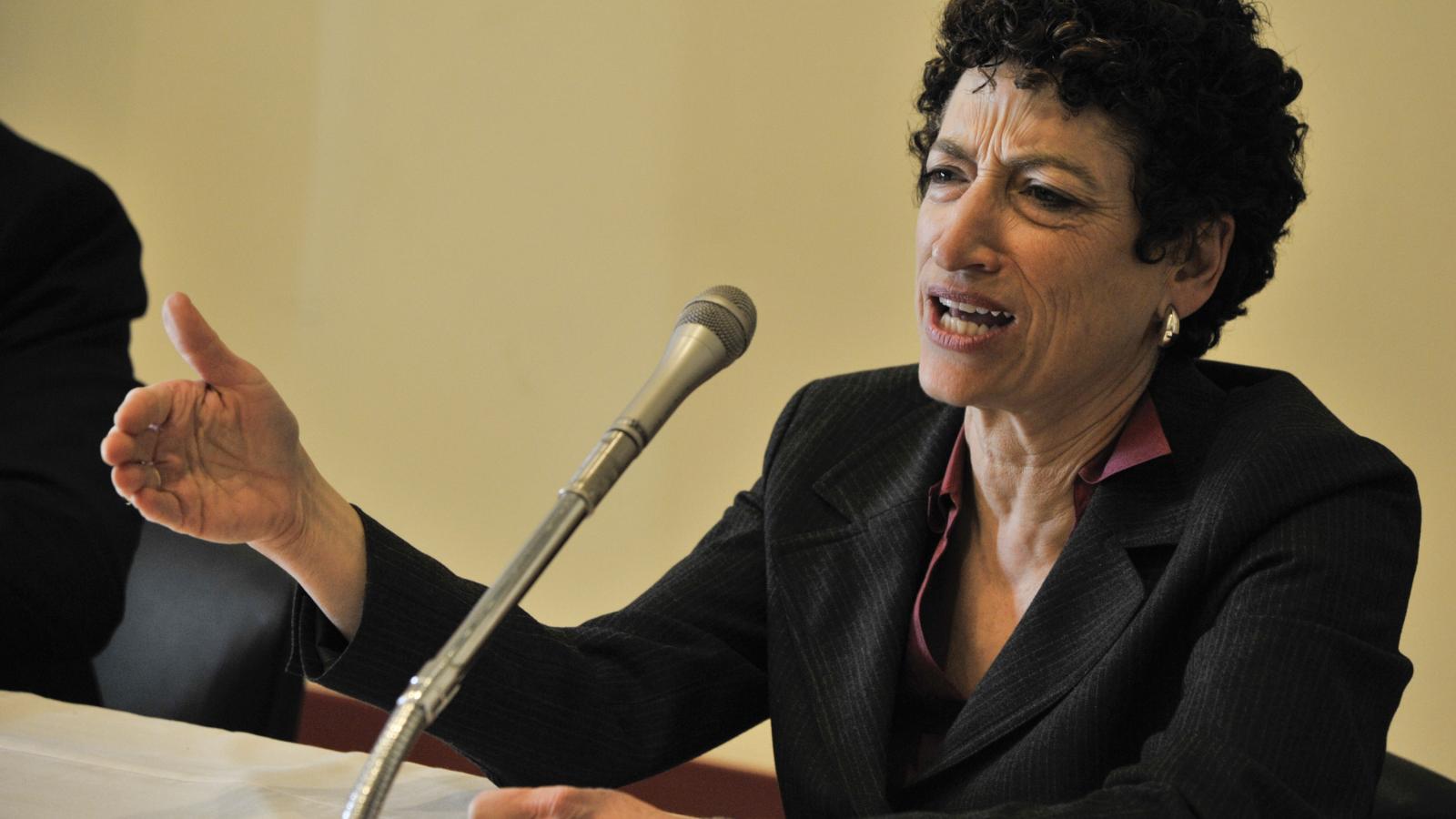
Naomi Oreskes attends the "Merchants of Doubt" premiere at Rayburn House Office Building on April 1, 2015 in Washington, DC.
(Getty Images)
Isaac said Congress needs to investigate how the chapter on climate science, filled with activist perspectives, made its way into a manual intended to be an impartial presentation of scientific material for judges. He said Congress also needs to investigate why it contained no disclosure that works cited included attorneys involved in climate litigation.
Questions about attribution science, conflicts of interest
The National Academies of Science also has ties to activists advocating for climate litigation as a means to advance climate policies.
One of the concerns that the attorneys general raised in their letters was the inclusion of material on what’s called attribution science. The World Weather Attribution (WWA) is leading the development of a discipline that attempts to rapidly find climate change responsible for recent natural disasters. Its founder, Friederike Otto, told E&E News that it was developed to advance climate litigation. “Unlike every other branch of climate science or science in general, event attribution was actually originally suggested with the courts in mind,” Otto said.
The WWA receives funding from the Bezos Earth Foundation, the philanthropic arm of Amazon billionaire Jeff Bezos. The foundation is also funding a National Academies of Science Attribution Committee, which was formed to help advance the field.
Among the members of the committee is Joyce Kimutai, a representative of the WWA. A former member of the committee, Delta Merner, is the leader of a group within the anti-fossil fuel Union of Concerned Scientists. This group specializes in how to use climate litigation to advance anti-fossil fuel policies.
Dr. Roger Pielke Jr., senior fellow at the American Enterprise Institute, explained in his “The Honest Broker” Substack in 2024 that placing people with professional and financial connections to funders of the committee on those committees constitutes a conflict of interest.
Pielke is among the researchers who criticize attribution science for being a form of climate advocacy and not adhering to proper standards of impartiality. He compared it to the ancient pseudo-science of alchemy.
Process that led to removal remains unclear
Francis Menton, a retired lawyer whose career spanned more than 40 years, including 31 years as a partner at the law firm Willkie Farr & Gallagher, points out on his “Manhattan Contrarian” blog that Rosenberg copied the full board of the FJC on the letter to McCuskey. He doesn’t think the judge made the decision on her own. Menton told Just the News that he speculates it involved the full board, maybe some of the committees that signed off on it, and possibly Supreme Court justices.
“It wouldn’t surprise me a bit if some Supreme Court justices raised a ruckus, and I’m thinking of [Chief Justice Samuel] Alito particularly,” Menton said.
Whoever was involved in the decision, the episode saw a surprisingly immediate response favorable to those who say that climate activists are pushing their narratives into judicial training and biasing judges so that outcomes in climate cases will be favorable to their agenda.
Kevin Killough is the energy reporter for Just The News. You can follow him on X for more coverage.
The Facts Inside Our Reporter's Notebook
Links
- respond to their complaint
- according to a letter
- American Energy Institute
- Reference Manual on Scientific Evidence
- FJC
- House and Senate Judiciary Committees
- manual was improperly influencing judges
- ongoing litigation
- version on the FJC website
- National Academies of Science website
- use these internal debates
- work has been extensively criticized
- Naomi Oreskes
- New York Times letter
- told E&E News
- Bezos Earth Foundation
- also funding
- Among the members
- Delta Merner
- use climate litigation
- The Honest Broker
- compared
- Manhattan Contrarian
- follow him on X
Other Media
Image
Naomi Oreskes attends the "Merchants of Doubt" premiere at Rayburn House Office Building on April 1, 2015 in Washington, DC.
(Getty Images)


Top Stories




Trending
Just the News Spotlight
Just News, No Noise