Targeted by lawsuits and demonized, Big Oil signals it’s had enough with fight against California AG
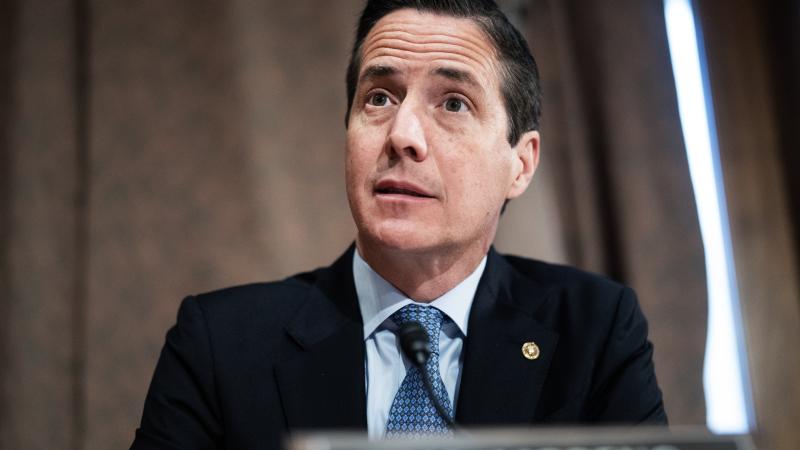
When California Attorney General Rob Bonta set out to sue ExxonMobil, alleging deception in its claims about advanced plastics recycling, he probably didn't expect the company would sue him for defamation. Bonta tried to get the case dismissed, but a federal judge in Texas has given the lawsuit the green light to proceed.
California Attorney General Rob Bonta hoped to earn his anti-fossil fuel credentials when he filed a lawsuit against ExxonMobil in 2024, alleging the company was engaging in deceptive practices related to its “advanced recycling” program.
He probably didn’t expect that the company would fight back the way it has.
For years, oil companies have been the target of vitriol and lawfare, especially in California. When California’s gasoline prices spiked in the summer of 2022, Gov. Gavin Newsom claimed refineries were “price gouging,” even though his own energy officials disputed the claim. Newsom signed legislation requiring the refineries to be transparent so that the alleged price gouging could be revealed, but in fact no evidence of gouging was ever found.
In most cases, oil companies stay defensive when regulations and litigation target them with accusations of wrongdoing, but Exxon didn’t take Bonta’s lawsuit lying down. Instead, the company filed a defamation suit against Bonta and some environmental groups.
Going on the offensive
Bonta had sought to get the lawsuit dismissed, arguing that the statements Exxon claims were defamatory were made in the course of his duties as attorney general, and that should grant him immunity from lawsuits. A federal judge earlier this month disagreed and ruled that Exxon could proceed with its case against Bonta.
In 2024, Energy Transfer Partners successfully sued Greenpeace, and a North Dakota jury found the group at fault for harming the pipeline company's reputation by publishing false statements during the 2016 protests over the North Dakota Access pipeline. North Dakota Judge James Gion set a settlement amount at $345 million, which was reduced from the jury's original amount, and the Associated Press reports that he intends to make Greenpeace pay up. The organization warns that if it's forced to pay, it will have to cease operations. It intends to appeal the decision.
Whether or not Exxon was inspired by Energy Transfer Partners' success, the lawsuit against Bonta represents a rare case of Big Oil going on the offensive. “I think the oil companies are sick and tired of getting beat around all the time,” said John Shu, a legal scholar who served in both Bush administrations.
Connections to climate advocacy groups
In his lawsuit against Exxon, Bonta alleges that the oil giant misled the public on the efficacy of its ability to solve the “plastic waste and pollution crisis” with an advanced recycling process. Advanced recycling aims to turn plastic polymers back into their original molecules so they can be processed and used again as plastics or other products, such as jet fuel.
As is the case with lawsuits seeking damages related to climate change, Bonta’s lawsuit is connected to well-funded anti-fossil fuel activist groups. In 2024, the Center for Climate Integrity (CCI), which is funded by the Rockefeller Family Fund, published a report alleging that “Big Oil” deceived the public for decades and caused what it calls the “plastic waste crisis.” Bonta’s lawsuit cites the activists’ report and uses similar language.
Around the same time Bonta was filing his lawsuit, Inside Climate News, another Rockefeller-funded activist publication, was partnering with media outlets to attack plastic recycling as a false solution to plastic waste.
No official immunity
Exxon filed its lawsuit against Bonta in the U.S. District Court for the Eastern District of Texas, where the company is based. In its complaint, Exxon argued that, despite being a vocal proponent of state recycling programs, Bonta is attacking the company with false accusations that it is lying about the advanced-recycling technology.
Exxon defends the technology, stating that as it’s adopted more widely, it will increase the recycling rate for plastics and create a more circular economy. The company cited 14 statements that Bonta made online and in interviews, which it claims are false and defamatory.
Judge Michael J. Truncale examined these statements, which include a campaign email that had a link for donations, and determined that Bonta is unable to claim official immunity.
Because truth is an absolute defense in defamation cases, Shu argues that Bonta would do better to just lay out the facts as he understood them in good faith. "The problem is that a lot of what he said isn't necessarily true,” Shu said.
Instead, Bonta tried to argue that he has immunity as a government official.
“That’s an interesting strategy and indicates that he has concerns. If he really didn’t make those statements, if they were true, why would he bother with the procedural defense and not argue the substance?” Shu said.
Exxon likely eating the costs
Judge Truncale dismissed the claims against the environmental groups that were named as defendants in Exxon’s lawsuit, which included the Sierra Club, because the court lacked jurisdiction over them. He also didn’t rule on whether Bonta’s statements about Exxon were made in good faith, as that would be something determined later in the proceedings.
The California Attorney General's Office is appealing the ruling. "The Attorney General looks forward to vigorously litigating this case, and is proud to advance his lawsuit against ExxonMobil," the office said in a statement.
Often, Shu explained, when large companies are defamed, they don’t typically pursue litigation because they can be difficult cases to win. They might spend millions to win a case with awards that are a small portion of the litigation costs. Exxon’s law firms are expensive, and the settlement or award would have to be large enough for them to justify the cost.
It’s unlikely in Bonta’s case that the company would ever recoup the cost of litigating their complaint. It could very well be that Exxon is trying to send a signal that it’s tired of getting its name dragged through the mud. For a company that made nearly $29 billion last year, the costs of the litigation aren’t a big hit.
“If Exxon spends $10 million on legal fees on a case, compared to its overall annual budget, that’s basically a rounding error,” Shu said.
Not just Bonta
Activists have long demonized the company with claims that it engages in extensive acts of deception, and these accusations get considerable and somewhat gullible play in the media. The Rockefeller-funded CCI maintains the “Exxon Knew” website, which portrays the company as having had for decades some unique knowledge of the risk of global warming from carbon dioxide emissions. It was something many researchers were looking into.
But as with all researchers, there was an extensive amount of uncertainty as to the degree emissions were contributing to temperature increases and how they would impact climate systems.
CCI maintains that these disagreements were part of a pattern of deception in which the company was trying to hide potential harms from its consumers, and these arguments are an important component of the activist-driven climate litigation campaign.
Possible boon for Bonta’s career
While Exxon’s lawsuit will be costly for Bonta to fight — even more so if it’s successful — Shu said Bonta will use it as a public relations campaign. It will support his vilification of Exxon, arguing that the company is using a defamation claim against him to convince people that it’s not polluting the Earth and driving global warming.
“Remember, Rob Bonta has the media on his side. I don't mean just the California media. I mean everybody,” Shu said.
While it could work well for Bonta’s career, it’s not doing any favors to the environment that Bonta claims to be trying to protect. Advanced recycling may have a long way to go before it is scaled up to produce the circular market ExxonMobil is trying to create, but Exxon argues it has the potential to reduce plastic’s impact on the environment.
That would make fossil fuel use more attractive. Perhaps that’s why Bonta and the activists are attacking the technology.
Kevin Killough is the energy reporter for Just The News. You can follow him on X for more coverage.
The Facts Inside Our Reporter's Notebook
Links
- alleging the company
- spiked in the summer of 2022
- energy officials disputed the claim
- signed legislation
- successfully sued Greenpeace
- Associated Press reports
- John Shu
- turn plastic polymers
- which is funded by the Rockefeller Family Fund
- published a report
- uses similar language
- partnering with media outlets
- complaint
- $29 billion last year
- Exxon Knew
- extensive amount of uncertainty
- activist-driven climate litigation campaign
- Bloomberg Law reports
- follow him on X



Top Stories


Trending
Just the News Spotlight
Just News, No Noise