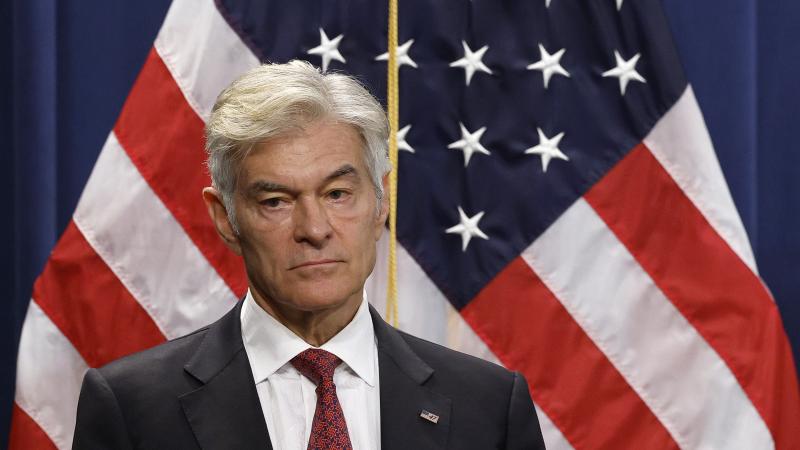
Trump admin keeps several coal plants running, smashing predictions of the end of coal
A few years ago, some were predicting coal use was coming to an end. Last year, global use hit record highs, and as the Trump administration delays planned retirements of several coal-fired power plants, the U.S. coal industry is optimistic about 2026.
The Trump administration last week blocked plans to shut down a generator unit at a coal-fired power plant in Colorado. The order, which will keep the unit running through March 2026, cites analyses finding that the grid would be unable to supply enough electricity during periods of high demand, such as a major storm.
“Keeping this coal plant online will ensure Americans maintain an affordable, reliable and secure supply of electricity. The Trump administration is committed to lowering energy costs and keeping American families safe,” Energy Secretary Chris Wright said in a statement.
The Colorado unit wasn’t the only coal facility the administration preserved. On Dec. 17, Wright ordered the last coal power plant in Washington to remain operational. It was slated for retirement at the end of last month.
On Christmas Eve, Wright also blocked the closure of two coal-fired power plants in Indiana, which were to be shuttered the following week. In November, Wright extended an order to keep a coal plant in Michigan running, the third such extension the energy secretary issued.
Just a few years ago, activists were predicting that coal was on its last leg, but the administration’s support for fossil fuels, as well as developing countries’ hunger for cheap energy, are pushing the activists’ hopes of coal’s demise further into the future.
Emily Arthun, CEO of the American Coal Council, told Just the News an adequate electricity supply is key to the success of American industry and the development of AI, and coal is still an important energy resource in meeting those needs.
“The industry is very optimistic," Arthun said. "We know there’s an energy crisis and that coal is a valuable player in stabilizing the grid."
Electricity emergency
Coal produces more carbon-dioxide emissions than any other fossil fuels, making it the target of states such as Colorado that have aggressive emissions-reduction targets. The Colorado unit was scheduled to be shut down Wednesday, and it was to be another step in the state’s goal to eliminate its six remaining coal-fired power plants by 2031.
Wright’s orders cite an analysis by the DOE and the most recent long-term assessment by the North American Electric Reliability Corporation, the continent’s grid watchdog, showing the electricity supply is inadequate to meet periods of high demand.
Under federal law, the Energy secretary has the authority when an emergency exists, including a shortage of electricity, to make temporary orders regarding electricity infrastructure to address the emergency.
The Sierra Club commissioned Grid Strategies, a power-sector consulting firm, to do a report on the costs of keeping the Colorado unit running. The report estimates conservatively that the unit will cost $85 million annually, costs that will be passed onto rate payers.
The report concludes that the costs can be avoided by retiring the unit as planned. However, it makes no policy recommendations, so it doesn’t explore the impacts on grid reliability if those 446 megawatts the unit supplies were to be taken off the grid.
The Sierra Club, which received $1 billion from billionaire Michael Bloomberg as part of a campaign to block consumers from accessing energy from fossil fuels, was quick to tout the study in its opposition to Wright’s orders.
In its statement, the group proposes “affordable, clean energy” to address the problem, but states such as Colorado with renewable energy mandates pay higher electricity rates than those without.
Forecasts see gradual decline
The International Energy Agency’s Coal 2025 report said that coal demand hit a record high last year. The agency predicts global coal demand will plateau in the coming years, then begin a slow decline through to 2030. But the IEA acknowledges that there is a lot of uncertainty in that prediction, which could reverse the decline or increase its rate.
In the U.S., the report forecasts a decline in coal demand by 6% per year on average through 2030.
“However, the rate of decline in US coal use could be slower if electricity demand is higher than expected or if coal plant retirements stall,” the report states.
In the U.S., much of the electricity sector has been gradually transitioning from coal to natural gas, which produces about half the emissions of coal. The plant in Washington was to be converted to run on natural gas, the Spokesman-Review reported, but Wright’s order will keep it running through March.
This transition, however, could be impeded by the lead times for new gas turbines that have increased to several years, according to Utility Dive. Without gas turbines, new gas plants can’t be built and coal plants can’t be converted to gas.
Extensions and lawsuits
With assessments showing increasing electricity resource inadequacy, delayed coal plant retirements will help shore up supplies until the turbines are delivered. While the emergency orders keeping the Colorado, Washington and Indian plants alive will expire in March. With the order on the Michigan plant have been extended three times, it appears likely Wright will extend the other orders as well.
A coalition of anti-fossil fuel groups, led by Earthjustice and the Sierra Club, filed a lawsuit in the U.S. Court of Appeals for the District of Columbia, arguing that by renewing the temporary orders, the DOE is violating the law.
As that case – and possibly others to be filed in the future – wind through courts, the Trump administration is moving full-steam-ahead on coal.
In December, Trump signed several Congressional Review Act resolutions that reversed Resource Management Plan Amendments enacted by the Biden administration’s Bureau of Land Management. The amendment for the Buffalo Field Office would have greatly reduced federal coal leasing in Wyoming, which produces 40% of the coal burned in U.S. power plants.
Travis Deti, executive director of the Wyoming Mining Association, told Just the News that everything from data centers to electric vehicles are going to increase electricity demand in the U.S. in the coming years, and coal is going to be needed to meet that demand.
“President Trump gets this," Deti said. "In the short term, keeping existing coal plants from early retirement to prevent shortages is a wise thing to do and a welcome change from the destructive policies of the previous administration."
He also said Wyoming saw a 7% increase in production over the previous year and that there’s a lot of optimism in the state’s industry about 2026.
“Reports of the demise of the American coal industry have been greatly exaggerated,” Deti said.
The Facts Inside Our Reporter's Notebook
Links
- blocked plans
- last coal power plant in Washington
- two coal-fired power plants in Indiana
- activists were predicting
- hunger for cheap energy
- Coal produces more carbon dioxide emissions
- eliminate its six remaining coal-fired power plants
- analysis by the DOE
- most recent long-term assessment
- Under federal law
- report
- received $1 billion
- campaign
- tout the study
- pay higher electricity rates
- Coal 2025
- the Spokesman-Review reported
- according to Utility Dive
- filed a lawsuit
- Trump signed several Congressional Review Act resolutions

Top Stories





Trending
Just the News Spotlight
Just News, No Noise