Related Articles


A gallon of gasoline, when available, now costs two months' wages and some Cubans say privately they want the energy crisis to end, even if it means giving in to U.S. pressure
The May 1 holiday in Havana featured a major protest that passed in front of the U.S. embassy, and growing divisions among the population.
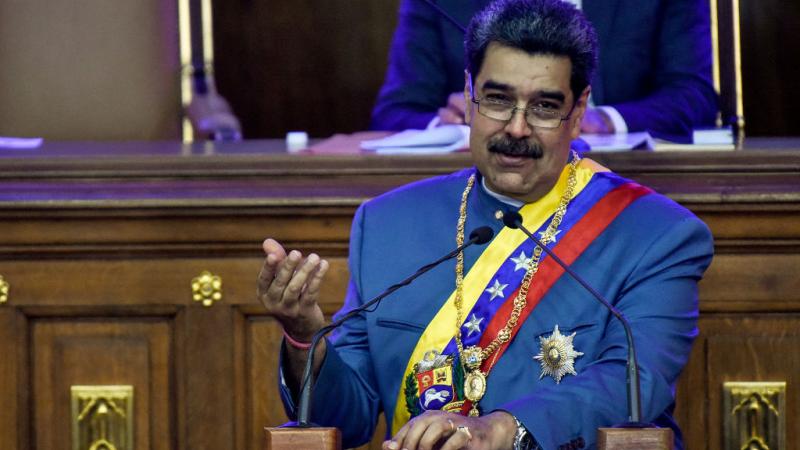
While the Communist-led Caribbean island nation has long been in economic decline – marked in recent years by high inflation as well as crisis-level food, energy and medicine shortages – the U.S. capture of Venezuelan leader Nicolás Maduro in January, which resulted in Cuba’s losing its main source of oil, has resulted in a near economic collapse in Cuba not seen in the country since its once-close ally the Soviet Union fell in 1991.
Today, blackouts in the capital can last half a day or more. Trash is piled high on the streets. Car traffic is rare and slow moving. Food is increasingly scarce. Hospitals are crippled. And Cubans with the resources and legal status to leave the country are fleeing.
The limited oil and gas left in the country's reserves is selling at unthinkably high prices. According to residents, the price for a gallon of gas (when it’s available), is more than 20,000 pesos (around $37 per gallon) on the black market – equal to roughly two months wages for the typical Cuban.
“People use cars only for the most important trips,” Antonio Duarte Blanco, a former bank employee selling mangoes and avocados from his doorway, told Just the News. “If you can walk or take a bike, you do it. Even if it takes two hours to get to someplace.”
May 1, the global Labor Day celebration, was a chance for Cubans to voice their displeasure with the U.S. for its role in the energy crisis and threats of a possible military intervention in the country.
Thousands of Cubans gathered around the U.S. embassy in Havana, with speakers riling up the crowd and protesters waving signs and chanting anti-American slogans. The protests effectively closed off that section of the city.
In the wake of the protests, Cuban President Miguel Díaz-Canel Bermúdez struck a defiant tone.
“The President of the United States escalates his threats of military aggression against Cuba to a dangerous and unprecedented scale,” Díaz-Canel said in a statement.
“The international community must take note and, together with the people of the United States, determine whether such a drastic criminal act will be allowed to satisfy the interests of a small but wealthy and influential group driven by desires for revenge and domination,” he said. “No aggressor, no matter how powerful, will find surrender in Cuba.”
Formally, it’s business as usual in Cuba, where citizens – including students, women and the elderly – go through group preparedness drills in the event they are called on to defend the island nation.
Even in private, many Cubans say they stand by their country’s right to decide its own fate.
But there are others who express doubts about the country’s readiness to face down its much more powerful northern neighbor.
“We don’t have gasoline for vehicles, how could we fight?” said Alfredo, a 55-year-old barber who told Just the News that he didn't want to be further identified. “We lack modern technology.”
José Antonio, a 61-year-old mathematics teacher, told Just the News the current situation was unsustainable. He also spoke on the condition that he not be fully identified.
“We cannot go on, we are being strangled,” he said. “We must find a compromise agreement of some kind. We have never struggled as we are struggling now.”