Inflation in Iran hits highest levels in 80 years as negotiations with the U.S. stall
In May, annual inflation in Iran hit 77.2%, a level unseen since World War II. Economic problems have been the source of considerable civil unrest in the country over the past decade, and skyrocketing costs could lead to protests.
Inflation is hitting Iran hard in the midst of stalled negotiations with the U.S.
Iranian news agencies are reporting that the country has stopped talking with mediators about extending the ceasefire with the U.S. and Israel, the Associated Press reported.
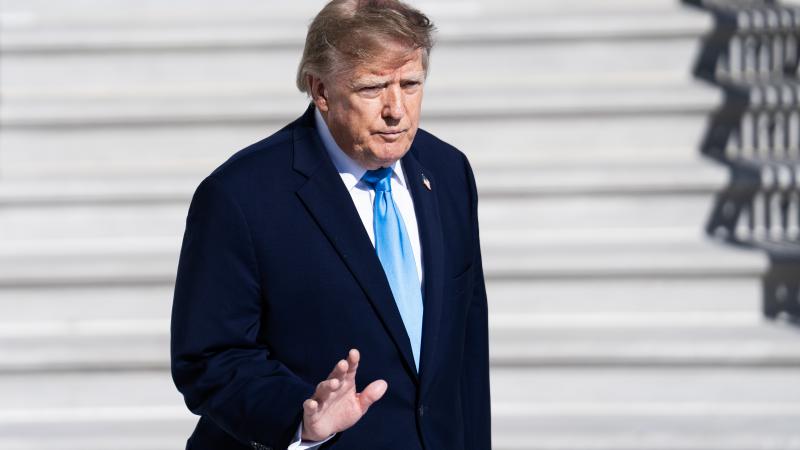
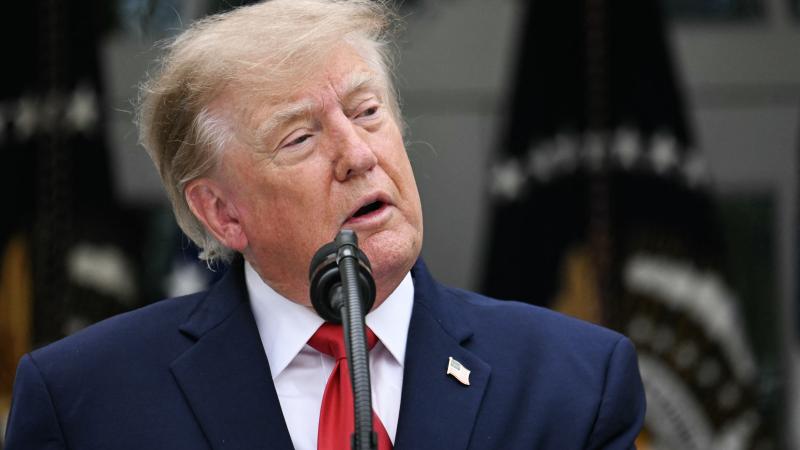
President Donald Trump said Monday that he does not "care" if peace negotiations with Iran are over, stating that the negotiations had been taking too much time. However, Trump said on Tuesday that claims that the two countries have ceased communicating are "false and erroneous."
So long as no agreement is reached, Iran's oil-reliant economy will remain under the stranglehold of the U.S. blockade on the Strait of Hormuz, a waterway vital to the country's petroleum exports — as well as 20% of the globe's crude oil supply.
In May, annual inflation in Iran hit 77.2%, a level unseen since World War II. This was 8.5% higher than in April, according to the country's central bank. Inflation in products such as medicine, taxi fares, tobacco and communication fees were up 113.8% over the past year.
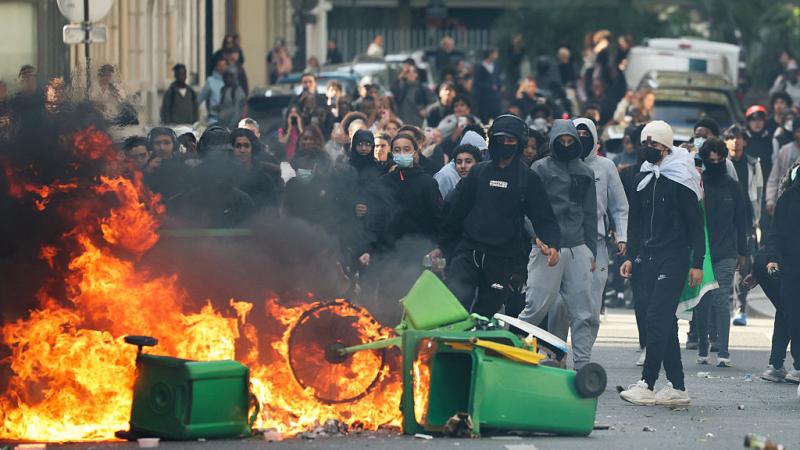
Economic problems have been the source of considerable civil unrest in the country over the past decade. Rising food prices led to nationwide protests in 2017 and 2018. Over 20 people were killed, and hundreds were arrested. In 2019, an increase in gasoline prices led to protests in which 300 people were killed. At the start of this year, the collapsing value of Iran's currency led to further unrest.
Experts told the Associated Press that the rising inflation this summer could spark further protests.
The Facts Inside Our Reporter's Notebook



Top Stories


Trending
Just the News Spotlight
Just News, No Noise