Politics again injects itself into Olympics as Winter Games in Italy pit Europe against U.S.
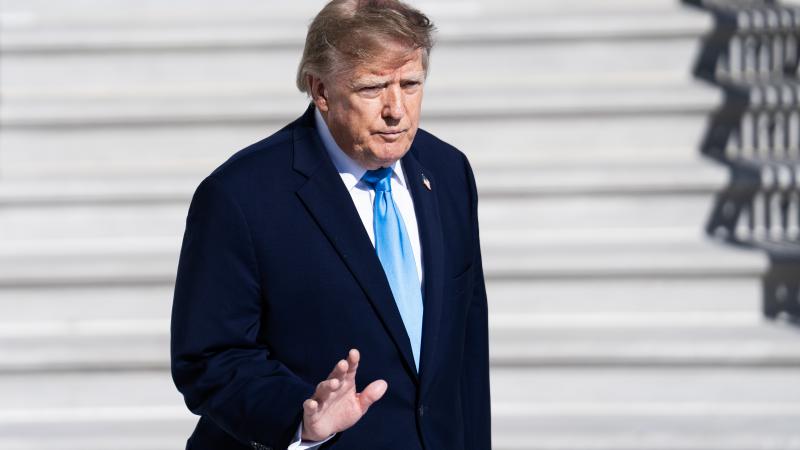
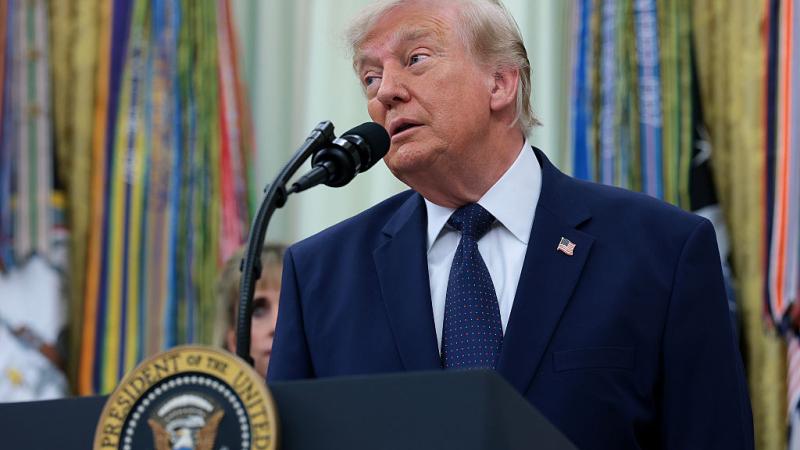
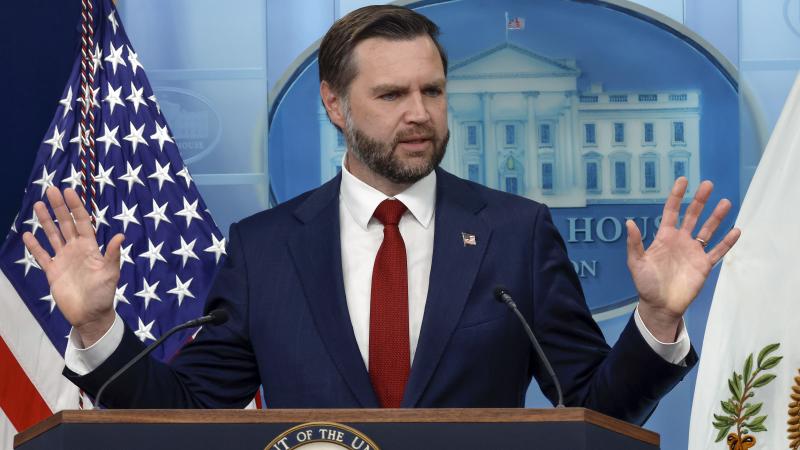
Vice President JD Vance was booed at open ceremonies amid Europeans' disapproval, largely, because of the Trump administration's immigration crackdown and interest in taking control of Greenland in some form.
The applause for Team USA at the opening of the 2026 Olympics this weekend was real, loud, and – at least for a moment – uncomplicated.
Since Donald Trump’s return to the White House, policies related to tariffs, the fate of Greenland, and the federal government's illegal immigration crackdown led by Customs and Immigration Enforcement and more have spread political rifts across Europe, including Italy, the host country this year.
The United States' reliability as an ally has been called into question. But as U.S. speed-skater Erin Jackson carried his country's flag into Milan’s San Siro Stadium on Friday during the parade of nations, the usual Olympic civility surfaced with cheers and photo flashes.
It didn’t last long. As the U.S. delegation passed underneath, the stadium’s giant video screens cut to the U.S.'s VIP section, where Vice President JD Vance and second lady Usha Vance smiled and waved, as loud whistles, jeers and groans pierced the general roar of the stadium.
Still, the change was brief: the French delegation followed the Americans around the stadium and the normal decorum returned. But the scene left a big aftertaste.
The Olympics usually hold to a principle that asks countries to check politics at the door. But at the Milan-Cortina Games, which run through Feb. 22, the door seems to have been left open.
It was easy to see it coming.
In the lead-up to the games, news that ICE would be part of the U.S. security detail in Milan and Cortina – as was the case in previous Olympics – sparked a fierce backlash in host Italy. That continued with student-led protests in Milan on Friday ahead of the opening ceremonies in which demonstrators carried signs reading: “No Ice in Milano” and “No ICE but Italian Ice.”
“We cannot control what happens in America, we can only be shocked,” Riccardo Esposito, 27, a student at the University of Pavia, told Just the News. He was holding a sign that read, “Do Not Rest, Resist. No ICE.”
“But when America tries to force Italy to accept this kind of treachery, then we can try to do something about it,” Esposito said.
U.S. and Italian officials have tried to tamp down controversy by stressing that ICE would play only a behind-the-scenes role at the Games.
But the controversy comes during challenging times in U.S.-Europe relations already reeling from off-again-on-again changes in U.S. tariff policy, insistence that European allies dramatically up defense budgets, and Trump administration overtures toward Greenland, which is part of the Kingdom of Denmark.
All told, the U.S. is increasingly seen in Europe as a country willing to flex its muscles without consultation or explanation. That helps explain the reaction in San Siro, where athletes and the U.S. flag were applauded, but Vance, as a representative of the U.S. government, was booed.
Kirsty Coventry, president of the International Olympic Committee, said it was difficult to separate a country’s politics from that country’s representatives at the games, pointing to the Olympic Village (where athletes are housed) as an example of harmony between nations.
The Village “is the biggest reminder of how we should all be,” Coventry said, nodding to early reports of solidarity among athletes from various delegations. “It’s an opportunity to put into perspective how we can all be.”
While International Olympic Committee has made clear that politics should not be part of the games, governments and athletes have throughout history used them to make political statements. The1956 Olympics marked the first time nations boycotted the games. China boycotts because the IOC included Taiwan. And the Netherlands, Spain and Switzerland boycotted to show support for Hungary following the Soviet invasion of the country, according to the Council on Foreign Relations.
The most notable politically-related incident in Olympic history is largely considered when a militant faction of Palestinian leader Yasir Arafat’s Fatah party, Black September, storm the Olympic Village in the 1972 games – killing an Israeli athlete and a coach and taking nine hostages. A failed rescue attempt later in the day at the Munich airport resulted in the deaths of all the hostages and five of their captors, also according to the council.
This winter, most U.S. athletes so far appear eager to avoid controversy and focus on their events.
“I love the USA and I would never want to represent a different country,” said Chris Lillis, the defending gold medalist in aerial freestyle skiing. “That being said, a lot of athletes are hesitant to talk about political views and how we feel about things. I feel heartbroken about what’s happening. I think that as a country we need to focus on respecting everyone’s rights and making sure we’re treating our citizens with love and respect.”
The Facts Inside Our Reporter's Notebook

Top Stories


Trending
Just the News Spotlight
Just News, No Noise