Trump scores once-elusive peace deal with Iran, easing oil prices ahead of elections
The terms of the agreement were unavailable as of Sunday night, but a top Pakistan mediator said both sides have declared the immediate and permanent termination of all military operations.
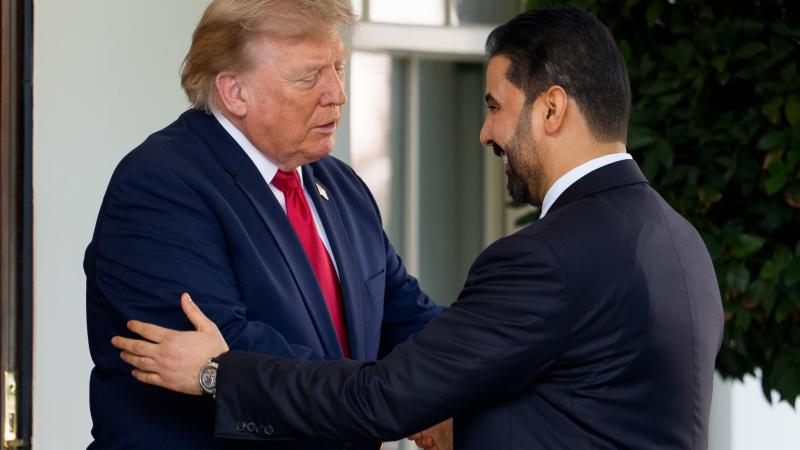
President Donald Trump has unveiled a deal to end 47 years of hostilities with Iran, bringing months of U.S.military operations to an end and opening the Strait of Hormuz in a one-two punch certain to ease oil prices ahead of the midterm elections.
"Let the oil flow!” Trump declared Sunday on social media after completing the deal on his 80th birthday and the day the U.S. began its 250th anniversary celebration with an historic UFC Freedom 250 mixed martial arts fight on the White House South Lawn. A signed ceremony was set for Friday in Switzerland.
“The Deal with the Islamic Republic of Iran is now complete," Trump posted on Truth Social. "Congratulations to all! I hereby fully authorize the toll-free opening of the Strait of Hormuz, and, simultaneously herewith, authorize the immediate removal of the United States Naval blockade. Ships of the World, start your engines."
Trump said the U.S. Navy would immediately end the blockade of the strait, which it maintained for several weeks in response to Iranian interdiction of oil tankers.
Other details about the deal were not available as of Sunday evening including those on a key sticking point – whether Iran will wind down its nuclear enrichment program.
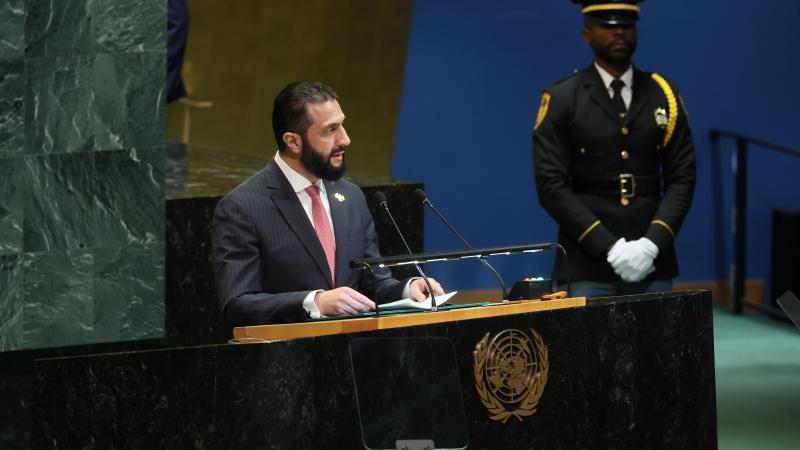
However, Pakistani Prime Minister Shehbaz Sharif, a top negotiator in the peace negotiations, said the sides have declared an immediate and permanent end to military operations including those in Lebanon.
Prior to Sunday, Trump claimed nearly 40 times since the start of the war on Feb. 28 to be close to a deal with Iran or to have reached some measure of consensus with the Iranian government, according to CNN.
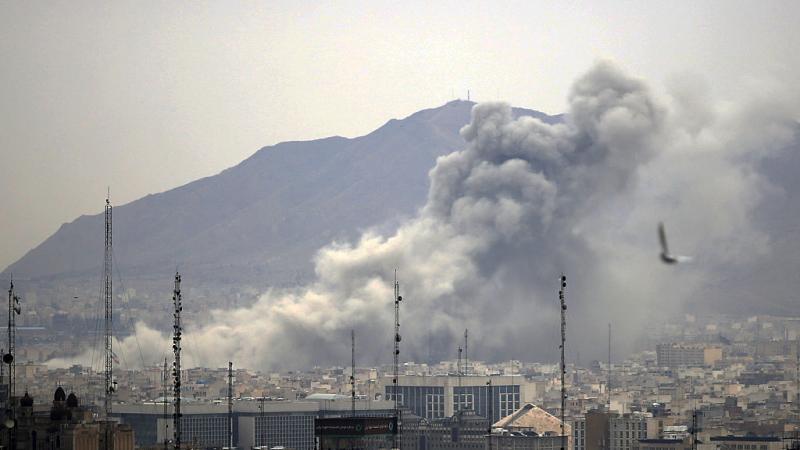
The war began with joint U.S.-Israeli strikes on Iran that killed Ayatollah Ali Khamenei. Speculation abounded throughout the conflict that the Iranian regime might succumb to internal pressure or face an incursion from Kurdish forces, though it appears to have emerged with the core of its government intact.
Trump has said he started the war to prevent Tehran from developing a nuclear weapon, after negotiations on that matter failed. Other objectives, he said, were to destroy Iran's missile capabilities and navy and to ensure the Iranian regime could no longer fund or direct "terrorist armies" outside its borders.
Sharif also said Sunday that a signing ceremony would occur on Friday. Pakistan was a critical mediator in negotiating the original ceasefire agreement, which managed to hold despite intermittent bouts of live-fire attacks by nearly every combatant faction.
“With the agreement now in place, mediators will facilitate a series of meetings this week,” he also said. “These pre-implementation discussions will lay the foundation for the technical talks and the official signing ceremony.”
The deal and the Friday signing ceremony already represent something of a moved goal post, considering Trump previously stated that the signing ceremony would take place Sunday and insisted upon that timetable until early Sunday afternoon.
Plenty of time remains between Friday and the present, however, and if prior alleged deals are any indication, any number of potential developments could upend the agreement. On Sunday alone, Trump fumed over Israel launching strikes on Lebanon in response to an attack by Hezbollah, asserting that the Israeli response jeopardized a peace agreement.
Fighting in Lebanon was a sticking point for the Iranians, who repeatedly insisted that the original ceasefire was meant to include Lebanon. Trump repeatedly pressed Israel to abandon continued conflict in the country against Hezbollah, leading to considerable tensions with Israeli Prime Minister Benjamin Netanyahu.
How Israel, considered the United States' longest and most loyal Middle East ally, will respond to the agreement announced Sunday is also a factor to consider going into Friday.
Public opinion has been decidedly opposed to the war throughout the conflict and opinions of Israel have soured dramatically. The disruption to oil sales has also led to higher gas prices, which in turn, contributed to dropping approval numbers for the Trump administration.
But the news of an agreement is likely to soothe markets, especially if maritime commerce fully resumes through the strait, through which roughly 20% of the world's oil supply passes. Such a development could conceivably result in falling gas prices and potentially higher approval ratings for the administration.
The war will apparently end without a complete, so-called "regime change," for which war hawks repeatedly advocated. Iranians staged large public demonstrations against the regime weeks before the start of the war that resulted in thousands of reported deaths. However, public opinion still was not in support of the U.S. overthrowing the Iranian government.
At one point, Trump stated that the U.S. had attempted to arm anti-regime dissidents in Iran by supplying them with weapons through Kurdish factions, though he said the Kurdish groups merely kept the weapons for themselves.
The long-term implications of the war for the U.S.’s presence in the Middle East remain somewhat unclear. Numerous Gulf State allies expressed frustration with the U.S. during the conflict over its limited ability to supply interceptors for their own defense as the Americans struggled to intercept Iranian strikes on Israel, U.S. bases, and allied nations. Iranian forces, for their part, repeatedly stressed to neighboring nations that aiding U.S. operations against them made those nations valid targets for Iranian counter-operations.
Ben Whedon is an editor and reporter for Just the News. Follow him on X, formerly Twitter.
The Facts Inside Our Reporter's Notebook

Top Stories


Trending
Just the News Spotlight
Just News, No Noise