UK Prime Minister Keir Starmer lurches to save his reeling Labour Party, his own political career
Starmer's approval levels are sinking, and his party is debating the best way for his to remain at the party's helm even as a succession battle comes into focus.
Less than two years after the U.K.’s Labour Party won a stunning electoral victory that swept the country’s conservatives from power for the first time in 14 years, the left-of-center party is wondering whether it needs to ditch Prime Minister Keir Starmer to stay in power.
Starmer's grip on his party and his country – already under duress over stubbornly high inflation and a series of high-profile flip-flops on welfare and government spending – really unraveled several weeks after the Labour Party suffered major losses in local elections in England and in parliamentary elections in Scotland and Wales, resulting in dozens of Labour lawmakers publicly urged him to draft a timetable for his resignation, according to The New York Times.
It’s unusual for a sitting prime minister to resign without a major scandal or an internal revolt.
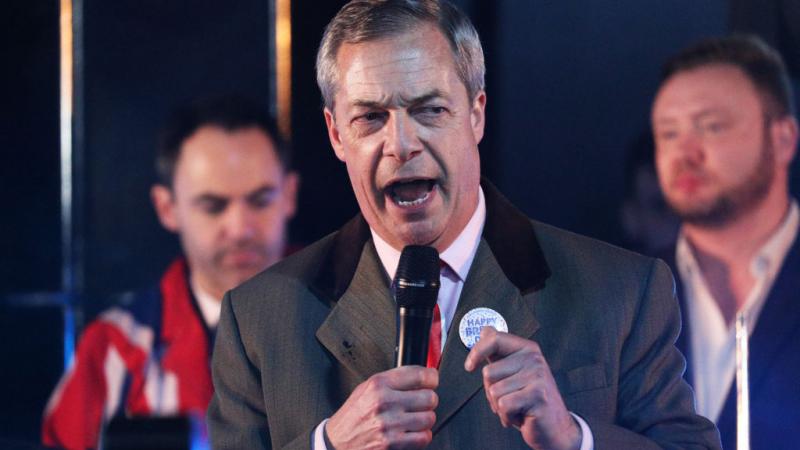
But Starmer's situation is especially messy – beyond the economic woes, failing to live up to his election promise for change and his questionable political decisions of late – considering the growing disapproval from Labour’s left flank and the surging challenge of Brexit architect Nigel Farage and the Reform UK party.
The result is historically low approval levels and the Reform UK party gaining traction in some of Labour’s most reliable strongholds – following the humiliating losses in the recent local and regional elections.
What’s next for the Labour Party and Starmer?
The current strategy seems to involve taking a harder line on immigration and welfare to blunt Reform UK’s momentum, focusing on more efficient economic management and improving discipline within the party.
But others within the party say that the current turmoil is temporary and when energy prices, spiking amid the United States and Israels war on Iran, return to normal, the fragmentation among right-of-center Brits, Reform UK and the traditional Conservative Party will gradually stabilize Labour’s position.
Some proof for that framing comes from Starmer insisting that his government is a “10-year project” despite the mounting criticism.
Analysts say that the Labour Party’s struggles can be traced in part to it trying to be too many things to too many people.
“Labour is trying to hold together a coalition that increasingly wants different things,” political scientist Tim Bale of Queen Mary University in London told the BBC. “That becomes much harder during periods of economic stagnation and political anxiety.”
Starmer’s immediate ouster is unlikely. But the unrest has already started to fuel speculation about who might replace him if his party decides to make a change.
Among the names most frequently mentioned is Deputy Prime Minister Angela Rayner, popular among the Labour Party’s left flank with a figure with a more confrontational reputation than Starmer, and Health Secretary Wes Streeting, a centrist some say would be more effective than Starmer at pulling back working-class voters who have been pulled in by Reform UK.
Another name The Economist reports has surged to the top of opinion polls is Andy Burnham, the mayor of Manchester who was previously a candidate for Labour Party leadership and who is popular with organized labor. Burnham is discussed as a candidate who could unite the Labour coalition without veering too far to the right or left.
Still, he and Streeting remained silent about their plans after Starmer effectively dared them in a Cabinet meeting last week to mount a bid to oust him.
Whether Starmer is nevertheless ousted remains unclear bu he remained defiant in the face of an increasing number of Labour lawmakers who are calling for him to step aside. The number is now at about 80.
The Facts Inside Our Reporter's Notebook
Links
- calling for Starmer to step down
- a series of high-profile flip flops
- high inflation
- a sputtering economy
- surging challenge of Brexit architect Nigel Farage and the Reform UK party
- historically low approval levels
- local and regional elections
- taking a stronger line on immigration and welfare
- his government is a âten-year projectâ
- Labour is trying to hold together a coalition that increasingly wants different things
- Angela Rayner, popular among the Labour Partyâs left flank
- Wes Streeting, a centrist some say would be more effective than Starmer
- The Economist reports has surged to the top of opinion polls is Andy Burnham, the mayor of Manchester


Top Stories




Trending
Just the News Spotlight
Just News, No Noise