DC's police department beset by toxicity, retaliations, stat manipulation under chief
A congressional investigation also concluded that the Metropolitan Police Department manipulated crime statistics under pressure from leadership for better-looking numbers.
The Washington, D.C. Metropolitan Police Department rang in the new year celebrating a 30-year low in violent crime, which was touted as a major success by the Biden administration on the eve of Donald Trump’s inauguration.
It turned out that the crisp press release and favorable numbers obscured a major problem in the department, trickling down to the police districts straight from the office of the chief herself.
“Fear, intimidation, threats, and retaliation”
Testifying directly to Congress, MPD’s own commanders say Chief Pamela Smith created an environment of “fear, intimidation, threats, and retaliation” in pursuit of lower crime statistics, over actually lowering crime.
These findings were published this week in an interim report on D.C. crime statistics from the House Oversight Committee, which launched a probe into the police department following President Donald Trump’s federal law enforcement takeover in the district and growing public evidence that the statistics had been manipulated.
The committee rushed to release its report on the direct testimony from all seven district commanders in Washington, D.C. — including one under suspension — after reports that Chief Smith would soon resign. According to the committee, they all corroborated enormous pressure from the chief and executive leadership to suppress and manipulate crime statistics.
Comer: Police staff were "coerced" to report false data
Additionally, they reported that the chief created a toxic atmosphere of intimidation and frequently retaliated against those who questioned her, particularly when triggered by “bad news,” that often stemmed from the reporting of rising crime, the committee found.
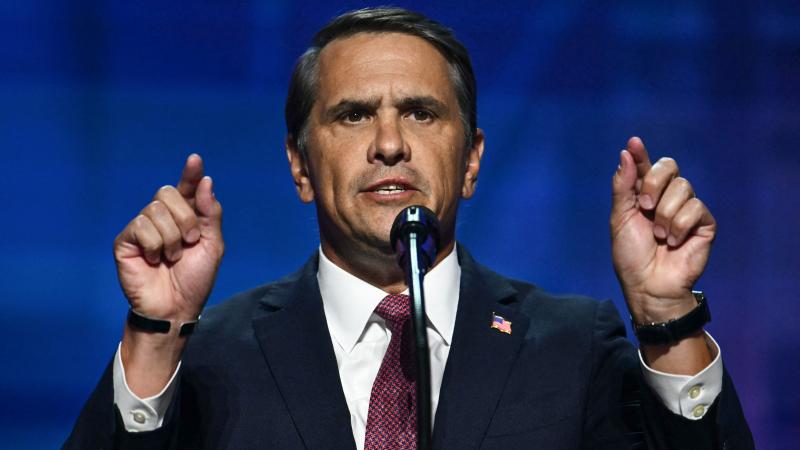
“Testimony from experienced and courageous MPD commanders has exposed the truth: Chief Pamela Smith coerced staff to report artificially low crime data and cultivated a culture of fear to achieve her agenda,” Oversight Chairman James Comer said in a statement.
“Chief Smith’s decision to mislead the public by manipulating crime statistics is dangerous and undermines trust in both local leadership and law enforcement. Her planned resignation at the end of the month should not be seen as a voluntary choice, but as an inevitable consequence that should have occurred much earlier. Chief Smith should resign today,” said Comer.
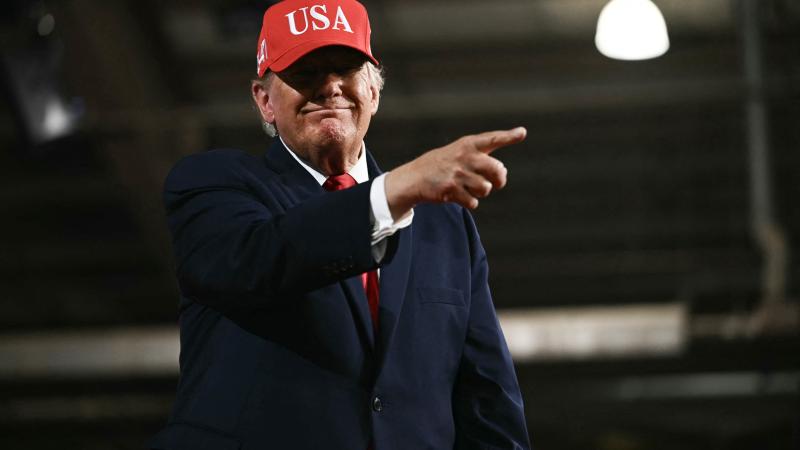
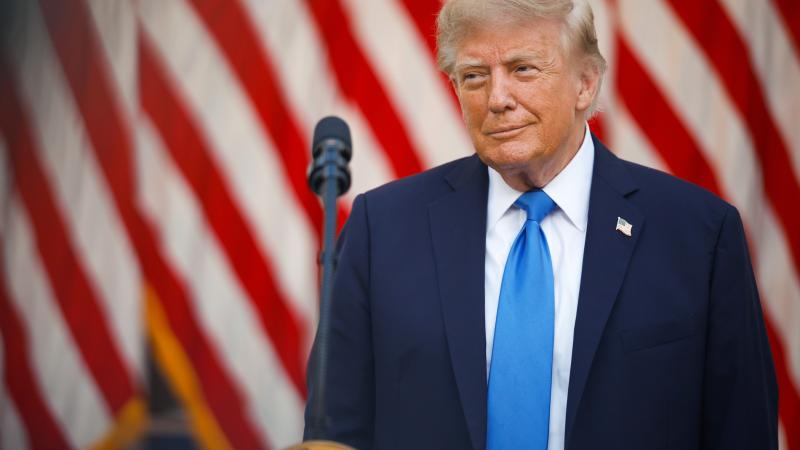
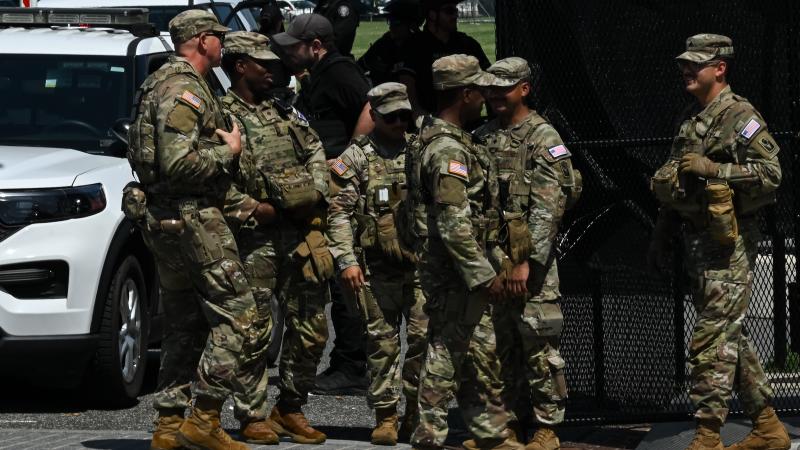
President Trump, just seven months into his second term, announced a federal takeover of Washington, D.C. and a new deployment of national guard troops to support the operations. The move was motivated in part by what the president said was a “false illusion of safety” created by the alleged manipulation of crime statistics.
Smith denies allegations
Though such accusations had existed for years, the president’s statements encouraged renewed oversight from Congress that has now tarnished the carefully manicured image of the department and narrative of declining crime in the nation’s capital.
Chief Smith has roundly denied the allegations that the department manipulated crime statistics under her watch. She said that in any cases of manipulated data, “when it’s brought to my attention, we will hold those members accountable.”
D.C. Mayor Muriel Bowser praised Smith, crediting her leadership for the “precipitous decline in crime” and praising the department’s “hard work and dedication.”
Nonetheless, the direct testimony of each of the district commanders in the department paints a different picture, confirming for the first time a widespread perception that the chief’s pressure on her staff led to inaccurate reporting of the crime statistics. It is that pressure that the commanders said contributed to an atmosphere of fear and intimidation at the department.
This is the only thing I've ever wanted to do my entire life,” said one district commander, identified only as “Commander B” by the House Oversight Committee.
“I would do it another 20 years if I could, but not here. I'm not going to do it here. I might do it somewhere else, you know what I mean, and that's just because I feel like I have a toxic executive staff,” the commander explained.
When another, Commander A, was asked to characterize the culture of the MPD, he replied bluntly: “...Toxic.”
In their testimonies, the commanders reportedly described a lack of transparency from Chief Smith’s senior leadership, regular chastisement and humiliation in crime briefings, and a fear of being demoted or transferred for giving the chief “bad news,” the Oversight Committee said.
You can read the new report below:
Lowering crime stats took precedence over lowering crime
Part of the pressure came from an “extreme” focus on finding ways to lower crime statistics, even if it didn’t mean an actual decrease in crime itself.
“[T]here's always been pressure to keep crime down, but the focus on statistics [...] has come in with this current administration or regime, and you know, that has manifested publicly,” Commander A told the committee.
The same commander also said Chief Smith and his leadership became closely involved with tracking crime classifications for possible felony offenses in order to head off reporting. In one instance, Commander A said one of Smith’s Executive Assistant Chiefs ordered that a shooting where no one was hit be classified as an endangerment with a firearm, a lesser offense, instead of an assault with a deadly weapon.
“[T]he chief has required that this happens before a classification is made and numbers are drawn for those offenses. This is new to this chief and these executives. This is never something that's occurred before in our agency,” the commander said.
Chief Smith ordered mandatory crime briefings from commanders in person twice a week and three additional times by video call to present the statistics for their districts. They told the committee individual commanders were scrutinized if there were any spikes in publicly reported crime numbers. According to the committee, the commanders said delivering bad news to the chief could result in being berated in front of other attendees.
“[The briefings are] really an atonement for our sins,” one commander told the committee.
The internal pressure to keep crime statistics low “manifests publicly in these briefings where commanders, you know, have been, you know, dressed down in front of all other members of command staff -- support, civilians -- based on crime that has occurred in their district,” another said.
“And, you know, crime, unfortunately, is kind of something that does happen, and it is inevitably going to happen. We do the best we can using data to prevent it, but it has – there’s extreme pressure,” the commander added.
Looking safe instead of being safe
Another commander noticed that the chief would react differently to the increase in crimes depending on whether they were publicly reported or non-reported crimes.
“Yes. [Daily Crime Reporter] crimes would – they would be upset with the DCR crimes,” “Commander E” told the committee. “Because those are the reported crimes that are out there, that we have to report out on.”
The commanders said they faced possible removal or an unwanted transfer if they challenged the chief or tried to have “difficult conversations.”
“[A]t our level, we have to be able to have difficult conversations to talk about different aspects of the problem to try to come up with the best, comprehensive response. This is now seen as disloyalty, and people are removed,” Commander A said. “You know, we've had commanders who have been moved out of their commands for, you know, legitimate questions or suggestions that was [sic] seen as disloyal.”
The Trump Justice Department also launched a separate probe into the D.C. police department earlier this year over the purported manipulation of crime statistics. The results of that investigation have, so far, not been made public.
The Washington Post recently reported an early draft of its findings show the probe has largely confirmed what Congress has already uncovered. According to the draft report obtained by the Post, DOJ investigators found Chief Smith created a “coercive culture of fear” among officials that might have encouraged the manipulation of crime statistics. The review also determined that the crime statistics were “likely unreliable and inaccurate.”
“While witnesses cite misclassifications and purposely downgraded classifications of criminal offenses at MPD for years prior, there appears to have been a significant increase in pressure to reduce crime during Pamela A. Smith’s tenure as Chief of Police that some describe as coercive,” the report said, per the Post.
The Justice Department's review reportedly cited thousands of police reports and interviews with more than 50 witnesses.
The D.C. Police Union, which represents the approximately 3,000 rank-and-file officers, detectives, and sergeants on the force, raised questions about the timing of Chief Smith’s departure from the agency in the middle of the two ongoing investigations.
“[T]he Union questions the timing of this announcement, which comes amid active investigations by the House Oversight Committee and the Department of Justice into allegations of manipulation of crime statistics and mismanagement within the MPD. These inquiries demand transparency and accountability, and we urge full cooperation to ensure the integrity of our department is upheld,” the union wrote in a statement last week.
The Facts Inside Our Reporter's Notebook
Documents
Links
- celebrating a 30 year low
- growing public evidence
- Chairman James Comer said in a statement
- what the president said was
- such accusations had existed for years
- renewed oversight from Congress
- roundly denied the allegations
- Bowser praised Smith
- confirming for the first time
- reported an early draft of its findings show
- the report said
- represents the approximately 3,000 rank-and-file
- the union wrote in a statement


Top Stories



Trending
Just the News Spotlight
Just News, No Noise