USA Powerlifting confirms paying male athlete who identifies as woman to settle discrimination case
A representative of USA Powerlifting said that it has few legal options available, and a settlement was in the organization's best interest.
After six years of litigation, USA Powerlifting announced it had reached a settlement with transgender athlete JayCee Cooper.
Cooper, a male who identifies as a woman and uses female pronouns, was denied entry to two USAPL women's powerlifting competitions in 2018. Cooper sued, arguing the denial violated the Minnesota's Human Rights Act. The state Supreme Court ruled in October that USAPL violated Minnesota's Human Rights Act by discriminating against transgender athlete JayCee Cooper, which reversed lower courts' rulings.
"What the plaintiffs cast as a victory for transgender rights is a ruling that has forced Minnesota to take a step backward for women, fair competition and common sense. We continue to believe strongly in the merits of our case, which are supported by global competition standards and bipartisan public sentiment. But left with few legal options, settlement is in the best interests of the organization," former USAPL president and national women’s powerlifting coach Larry Maile explained in a statement.
Maile said that Minnesota is out of step with science showing a 64% strength advantage for male-born athletes, and the state's high court's ruling runs counter to recent federal court rulings on this issue, international actions and overwhelming public opinion.
USAPL lawyer Ansis Viksnins told Just the News the settlement had a financial component and release of claims in exchange for payment to Cooper, but did not require USAPL to change any policy on sex-segregated competition or allow Cooper to compete in the women's division. The terms are otherwise confidential.
When Cooper's lawyers suddenly dismissed their business-discrimination claim, depriving a jury the chance to hear USAPL's argument that it had legitimate business reasons for excluding Cooper from women's competition, that left one remaining dispute following the court ruling, whether Cooper was entitled to monetary damages for the MHRA violation, Viksnins said.
As a small organization, USAPL made a "business decision" to settle after so many years in litigation, the lawyer said. It will still have to work out what its Minnesota policy will be going forward if it wants to keep competing in the state under the state Supreme Court ruling.
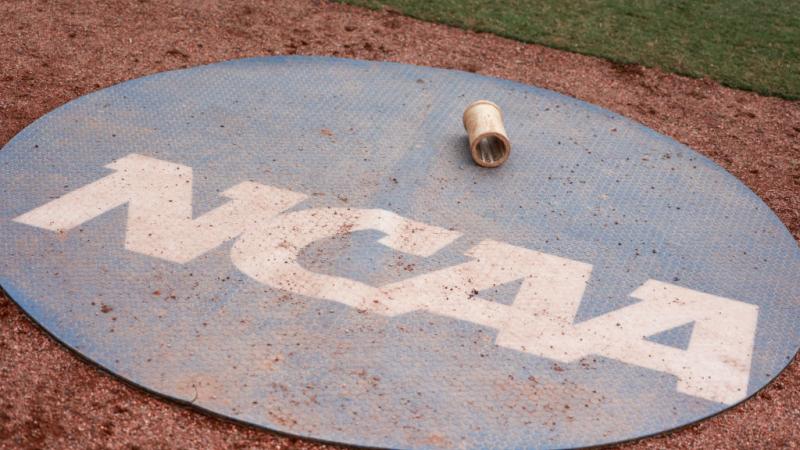
Another male who identifies as a woman, college track athlete Lindsay Hecox, unsuccessfully tried to dismiss Hecox's lawsuit against Idaho's ban on males in women's sports when the U.S. Supreme Court agreed to hear the case. The high court heard oral argument in January but has yet to rule.
The Facts Inside Our Reporter's Notebook
Links


Top Stories


Trending
Just the News Spotlight
Just News, No Noise