Command center for Ayatollah Ali Khamenei hit by US, Israeli bombs
The Iranian capital and at least eight provincial cities were bombarded
Satellite footage showed the House of Leadership in Tehran – the command center for Ayatollah Ali Khamenei, Iran’s Supreme Leader – was smoldering Saturday after suffering direct hits by U.S. and Israeli bombs.
The Iranian capital and at least eight provincial cities were bombarded as the much-heralded attack got underway against the country seen as destabilizing the region for years.
Tehran retaliated against the attacks, with explosions reported in Israel, Jordan, Kuwait, Qatar, Bahrain, Saudi Arabia, and the United Arab Emirates, all of which oppose the Khamenei regime and many of which host U.S. military installations.
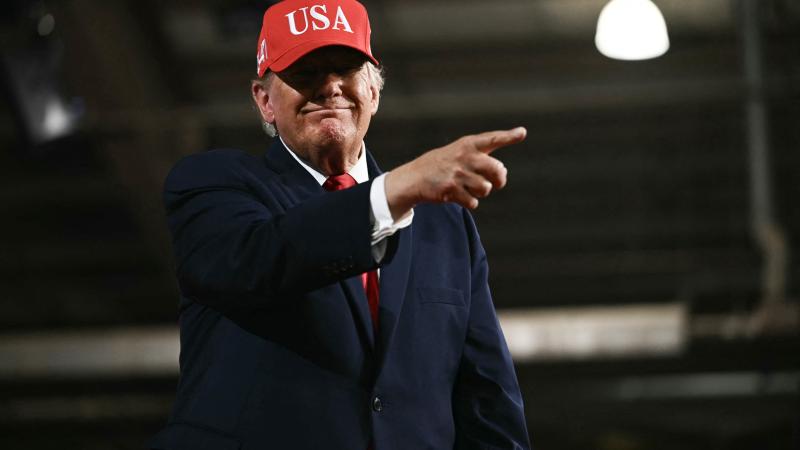
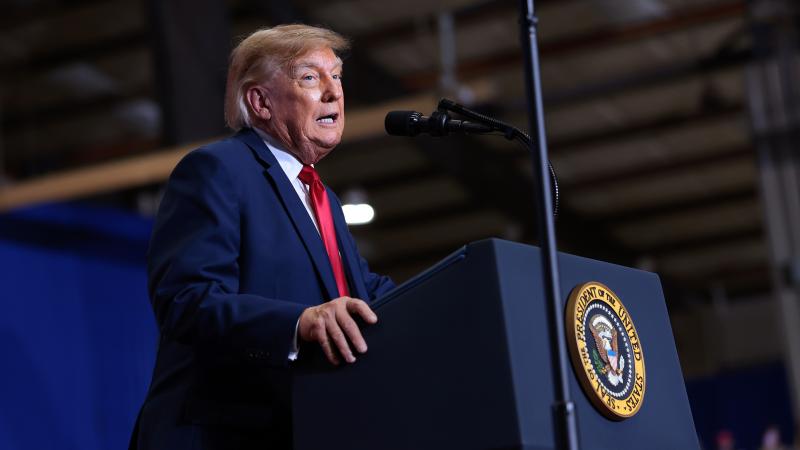
The attack, which started early on Saturday local time (late Friday in the U.S.), came after multiple rounds of nuclear talks between U.S. and Iranian officials failed to yield results. But President Donald Trump said after the start of the attacks that the goal was not just to remove Tehran’s nuclear arms program, but to facilitate regime change.
“To the great people of Iran, I say tonight that the hour of your freedom is at hand,” Trump said from Mar-a-Lago. “Stay sheltered. Don’t leave your homes. It’s very dangerous outside. Bombs will be dropping everywhere.
“But when we are finished, take over your government. It will be yours to take.”
By late Saturday local Tehran time, the fast-developing situation appeared to still be widening, with Pentagon officials confirming plans for additional waves of air strikes against Iranian military infrastructure, while, according to Iran state media, the government vowed to retaliate with a “crushing response.”
There were news reports that even before the strikes Kurdish groups based in Iran were preparing to take action against the Iranian regime, though that information has not been confirmed by official sources and the reports have not been updated since the bombing began.
Commercial flights across the region were diverted or canceled, and oil prices surged amid fears the conflict would disrupt shipping through the Strait of Hormuz.
Elsewhere, the United Nations Security Council scheduled an emergency session to prevent the confrontation from expanding into a regional war. On social media, UN Secretary General António Guterres condemned what he called the “military escalation in the Middle East” that he said would “undermine international peace and security.”
The attacks and Iran’s retaliation was front page news around the world, including in Europe, where leaders had been pushing hard for a negotiated settlement that would avoid armed conflict.
“We did not participate in these strikes, but are in close contact with our international partners, including the United States, Israel, and partners in the region,” read a joint statement signed by French President Emmanuel Macron, British Prime Minister Keir Starmer, and Friedrich Merz, the German chancellor. “We reiterate our commitment to regional stability and to the protection of civilian life.”
Conspicuous in her absence from the joint statement was Giorgia Meloni, prime minister of Italy, the fourth major European power. There was no official reaction to the attacks from Meloni’s office as of late Saturday, though the close Trump ally has in recent days said it was “imperative” that Iran not acquire nuclear arms.
The Facts Inside Our Reporter's Notebook
Links
- early on Saturday local time
- the hour of your freedom is at hand
- crushing response
- Kurdish groups based in Iran
- flights across the region were diverted or cancelled
- oil prices surged
- emergency session
- military escalation in the Middle East
- We did not participate in these strikes
- Iran not acquire nuclear arms

Top Stories

Trending
Just the News Spotlight
Just News, No Noise